

Essential Safety Tips for Living Alone & Staying Secure
Quick summary:
-
Living alone removes the safety net of others noticing threats — proactive systems, community awareness, and good habits help close the gap.
-
Research neighborhoods before moving and build connections with trusted neighbors who can help keep an eye on your property.
-
Strong daily habits matter: lock doors and windows, close blinds at night, retrieve packages quickly, and stay aware when arriving home.
-
A basic home security stack includes entry-point cameras, a smart doorbell with two-way audio, smart locks, and motion-activated lights.
-
Reinforce safety with physical upgrades and preparedness: deadbolts, window locks, emergency contacts, and regular security system checks.
Living alone can be exciting. Whether you just moved into your own place or have enjoyed living solo for years, having full control of your space can feel incredibly freeing. A single-person household means you decide your daily routine, decorate the house however you like, and maintain your routine without compromise.
However, living alone also means you’re responsible for your own safety and well-being. Without roommates or family nearby, it’s important to put extra safety precautions in place to protect yourself and your property from potential break-ins or other emergency situations.
The good news is that with the right home security systems, smart security gadgets, and practical safety tips for living alone, you can create a safe living environment that helps you feel comfortable and protected every day.
Why Safety Matters When Living Alone

When you’re living solo, your home security becomes even more important. Without someone else in the house to notice suspicious activity or respond to emergencies, you need systems and routines that provide an extra layer of protection.
Criminals often look for homes that appear to be an easy target. A house with poor lighting, unlocked entry points, or no security systems may attract unwanted attention.
Taking proactive steps helps deter intruders and protect your property. From installing an alarm system to strengthening your front door and ground-floor window, small improvements can significantly reduce the risk of home invasion.
The goal is simple: create a home where you feel safe and confident every day and night.
Research Your Neighborhood Before Moving In

If you’re planning to move into your own place, one of the first safety precautions is researching the neighborhood. Check local crime statistics and community safety resources to learn about common issues and recognize signs of a bad neighborhood, such as package theft, car break-ins, or suspicious activity in the area. Understanding these risks helps you make informed decisions about home safety.
Walking around the neighborhood during both daytime and nighttime can also help you identify potential concerns. Look for good outdoor lights, well-maintained homes, and signs of active communities. Choosing a safe town or neighborhood gives you a strong foundation for long-term security.
Build a Support Network in Your Community
Technology is important, but community still plays a major role in home security. Getting to know your neighbor can provide an extra layer of protection. When neighbors identify people who live nearby, they can quickly notice strangers or suspicious vehicles.
Simple steps can strengthen community safety:
-
Introduce yourself to neighbors.
-
Exchange contact information
-
Ask trusted neighbors to watch your house when you travel.
-
Offer to do the same for them
Neighbors can also alert you if they notice unusual activity near your garage door, front door, or bedroom window. Maintaining a regular routine, such as walking a dog at consistent times, can enhance both your safety and well-being, as neighbors become familiar with your habits and can quickly spot anything out of the ordinary. Maintaining relationships with friends, family, and close friends who live nearby is equally valuable. Regular check-ins with best friends or family members ensure someone notices if something unusual happens. Having a dog not only provides companionship but can also serve as an extra source of protection for solo residents. A strong support network helps you feel comfortable and stay safe while living alone.
Daily Safety Habits That Protect Solo Residents
One of the most effective safety tips for living alone is building security habits into your daily routine. Simple actions performed every day can dramatically reduce risks.
To improve your safety, make a habit of the following tasks:
-
Lock all doors and windows at all times, even when home.
-
Lock all doors and windows before going to bed.
-
Double-check the front door and bedroom window at night.
-
Turn on outdoor lights when it gets dark.
-
Keep blinds closed after nightfall.
-
Retrieve packages quickly to avoid package theft.
-
Be aware of your surroundings when arriving home
These small habits eventually become second nature. By turning security into a routine, you make it much harder for criminals to identify your house as an easy target.
Home Security Devices That Make Living Alone Safer
Modern home security systems make it easier than ever to protect your property. From security cameras to smart locks, technology offers powerful ways to monitor your home and respond to threats quickly.
Many modern security systems include features such as:
-
live video streaming
-
remote viewing apps
-
two-way communication
-
motion detection alerts
-
alarm buttons for emergencies
Together, these tools provide constant monitoring and help deter intruders before a problem escalates.
Security Cameras for Monitoring Your Property

Security cameras are one of the most effective security gadgets for solo residents. Visible cameras alone can discourage criminals from attempting break-ins. If an incident occurs, recorded footage can help identify people involved.
Installing cameras near important entry points is especially useful, including:
-
front door
-
garage door
-
ground floor window
-
backyard entrances
Camera placement matters. Adjustable mounts can help achieve better viewing angles and coverage. Wasserstein Adjustable Security Wall Mounts allow flexible positioning with a 360-degree swivel and a 90-degree tilt, helping homeowners capture clearer views of entry points. For homes with gutters, gutter mounts allow cameras or solar panels to be installed higher for better visibility and sunlight exposure. Higher placement also makes cameras harder to tamper with, and following a complete guide to the best spots for security camera placement can further improve your home’s coverage.
Smart Doorbells for Monitoring Visitors
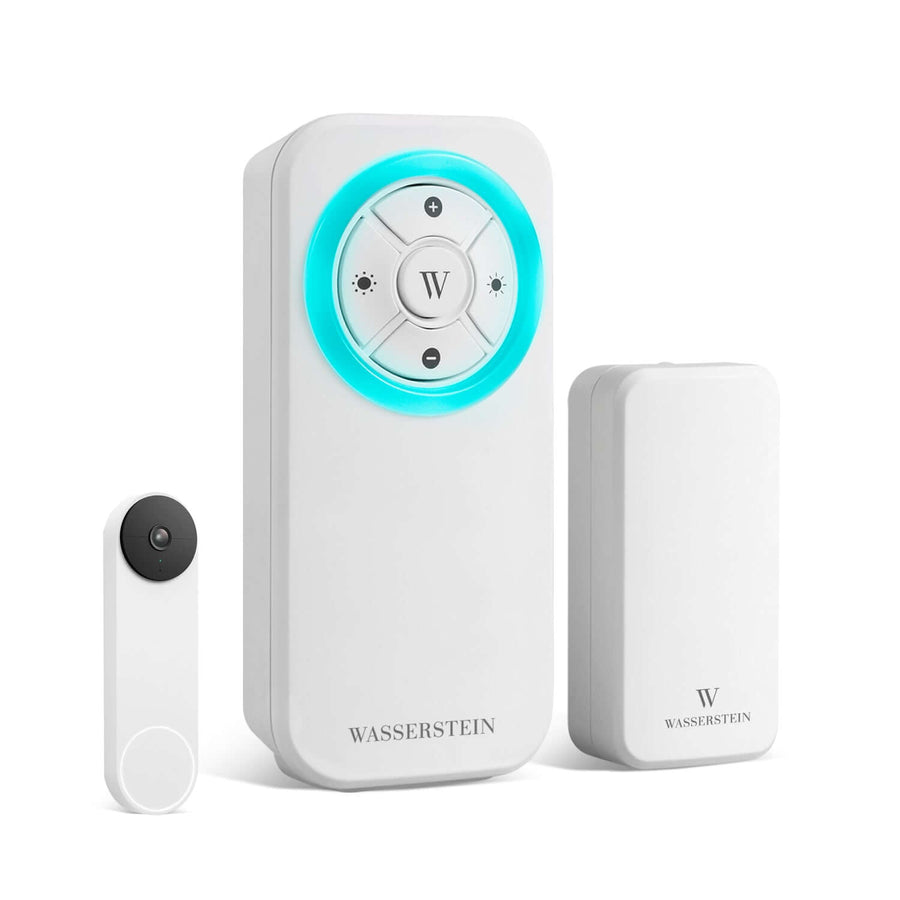
A smart doorbell adds another layer of security to your front door. These devices include built-in security cameras and two-way communication, allowing you to see and speak to visitors directly from your cell phone, even when you’re not home.

With live video streaming and remote viewing apps, you can check deliveries, monitor visitors, and respond quickly if someone approaches your house. Smart doorbells are also helpful for preventing package theft because you receive alerts whenever someone approaches the door.
Accessories such as angled mounts can improve viewing angles, while solar charger mounts can supply continuous power to keep the device running reliably.
Smart Locks for Convenient Access Control
Smart locks make it easier to manage access to your home. Instead of worrying about lost keys or hidden spare key locations, smart locks allow you to lock or unlock your door remotely using your cell phone.
Benefits include:
-
easy access for trusted visitors
-
remote control when you forget to lock the door
-
activity logs showing when the door was opened
Motion Sensor Lights and Floodlights

Lighting is one of the simplest ways to deter intruders. Motion sensor lights automatically illuminate dark areas when movement is detected. This sudden light exposure can scare off potential burglars and make suspicious activity visible.
Floodlights designed for security cameras can also enhance visibility at night. Some models even help keep battery-powered cameras charged while providing brighter monitoring around entry points. Combining motion sensor lights with security cameras significantly improves nighttime surveillance.
Solar Panels for Continuous Camera Power
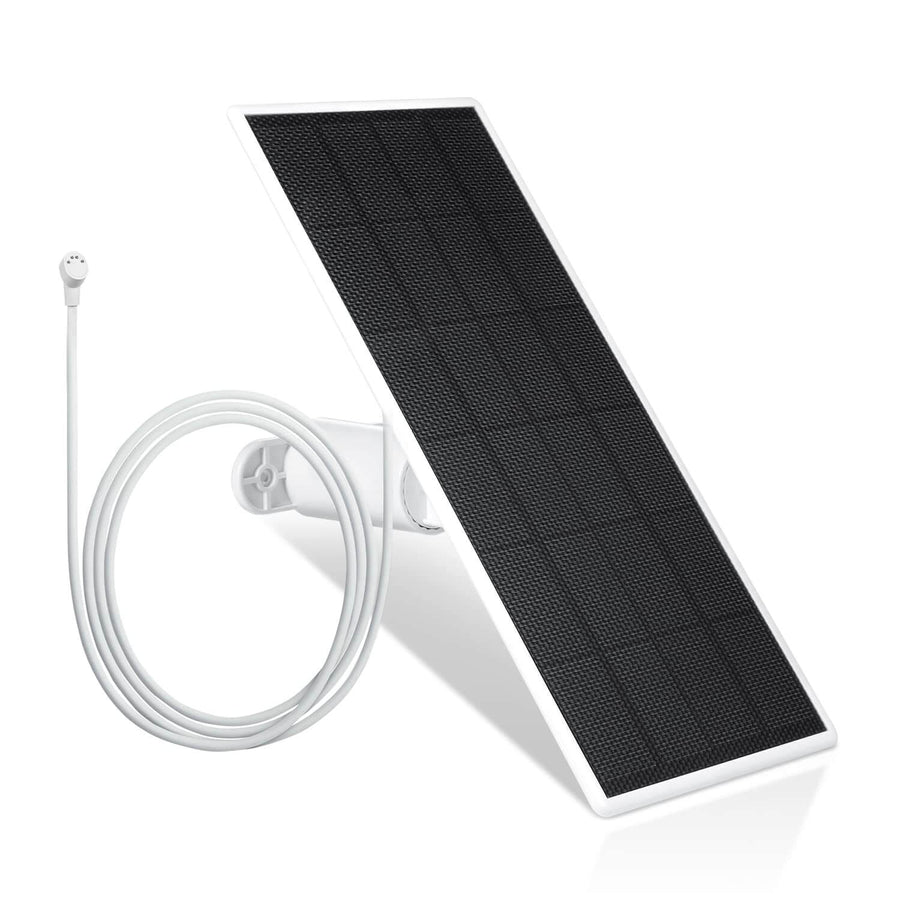
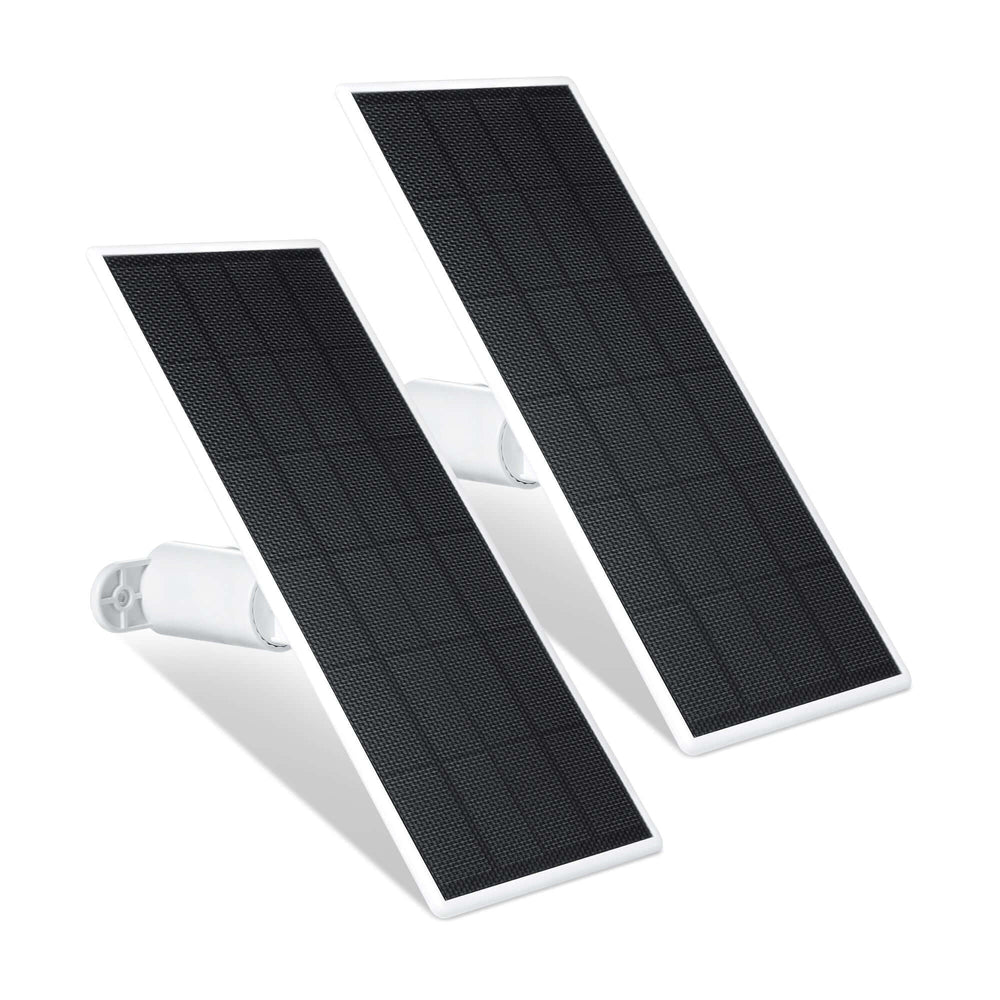
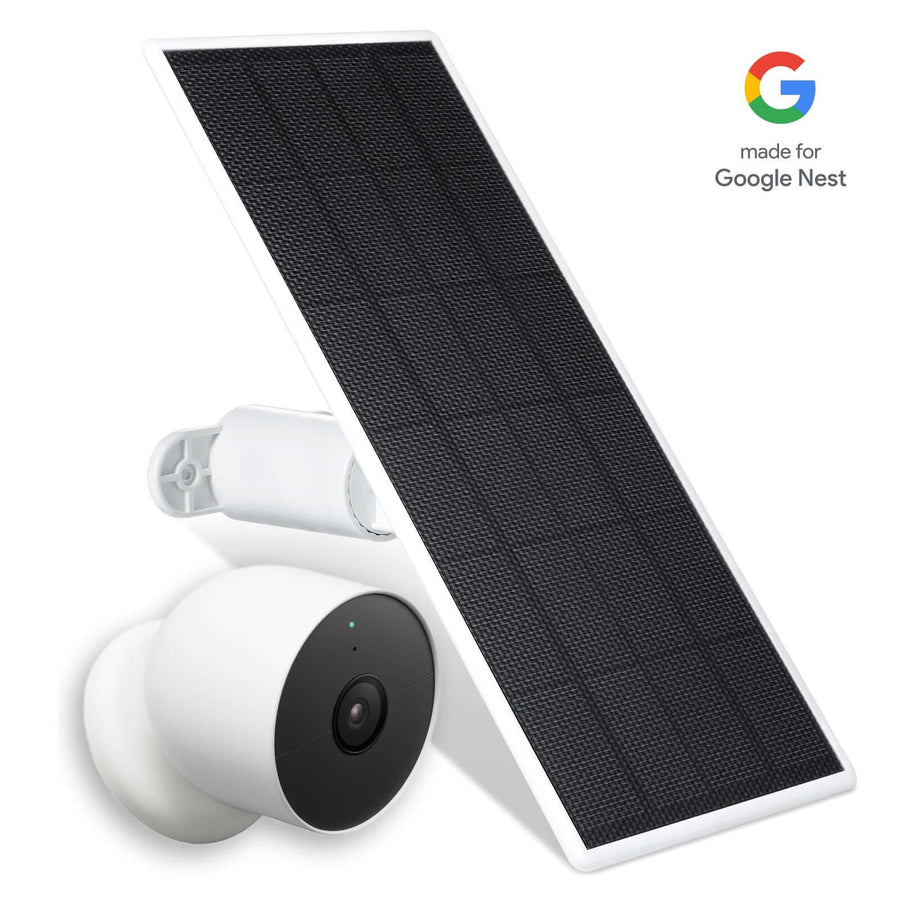
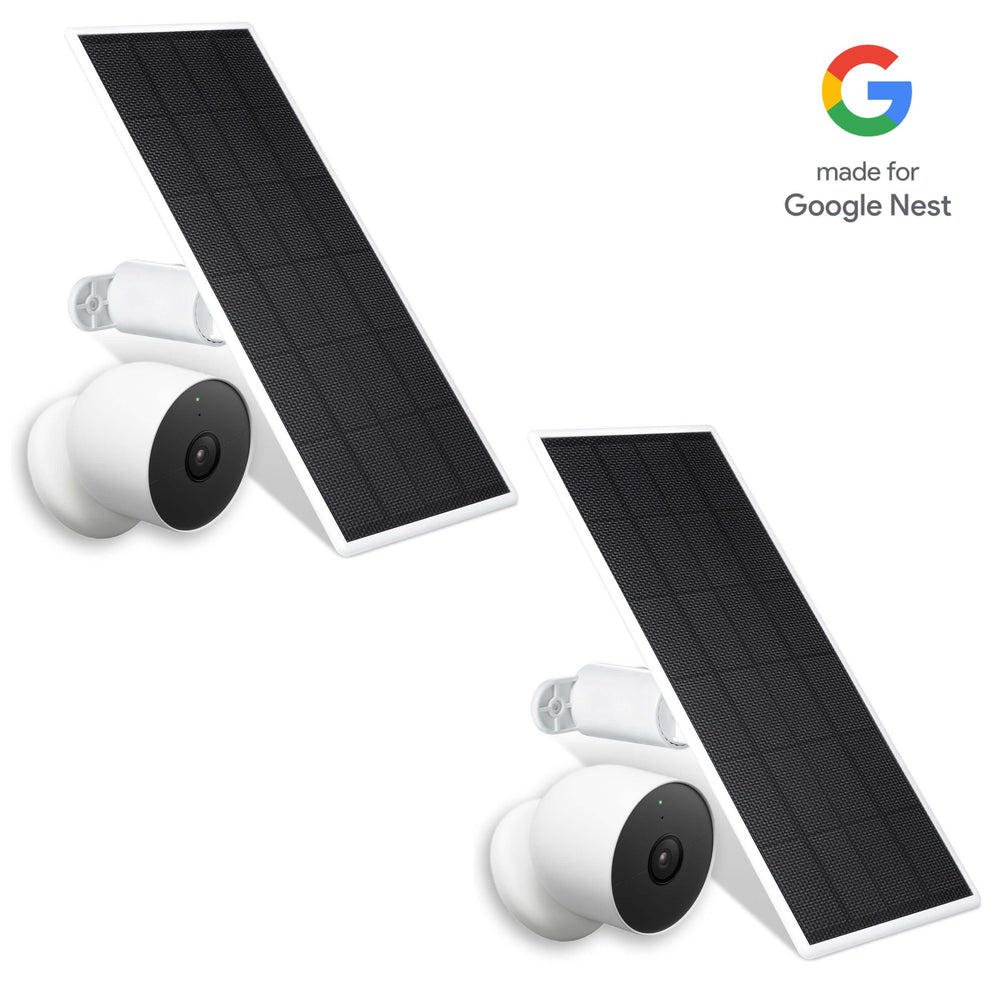
Battery-powered security cameras are convenient, but they require occasional recharging. Solar panels offer a simple solution by providing continuous power throughout the day, and learning how to install a solar panel for Wyze Cam Outdoor can help you keep compatible cameras running with minimal maintenance.
Similar accessories, like a dedicated Blink solar panel for your camera and video doorbell, can provide ongoing power for other brands while reducing the need for manual charging, and a Nest solar panel for your camera and doorbell offers the same convenience for Google Nest devices. If you use Ring cameras, a Ring solar panel for Spotlight Cam and Stick Up Cam can also deliver continuous, eco-friendly power, while a SimpliSafe solar panel for your outdoor camera keeps SimpliSafe wireless outdoor cameras charged and ready without frequent battery changes.

Wasserstein solar panels use high-efficiency cells that capture energy even with minimal sunlight. With a long 13.1-foot cable and adjustable mounting options, the panels can be positioned for maximum sun exposure. This helps avoid downtime and ensures your cameras remain active around the clock, especially when you pair them with a dedicated Wyze solar panel collection for compatible outdoor devices.
Strengthen Your Home’s Entry Points
Entry points are the most common targets during break-ins. Reinforcing these areas improves your home security significantly.
Focus on strengthening:
-
front door
-
garage door
-
ground floor window
-
bedroom window
Use deadbolts, reinforced door frames, and strong window locks. Sliding doors can also benefit from security bars or additional locking mechanisms. These upgrades make forced entry much more difficult.
Lighting Strategies That Deter Burglars
Outdoor lighting plays a major role in preventing crime. Dark areas around the house give intruders places to hide. Installing outdoor lights helps eliminate these blind spots and improves visibility around entry points.
Effective lighting strategies include:
-
motion sensor outdoor lights
-
pathway lights near walkways
-
porch lighting near the front door
-
smart lighting schedules
Smart lighting can even simulate occupancy by turning lights on and off while you’re away, making the home appear occupied.
Emergency Preparedness for People Living Alone
Emergencies can happen at any time, and living alone means preparation is essential. It is crucial to have a plan ready for when an emergency occurs, so you can act quickly and effectively. Creating emergency exit plans can prepare you for situations like fires or break-ins, and having a plan for emergency evacuation along with regular drills is essential for your safety. Having a plan in place allows you to respond quickly during fires, medical emergencies, or other dangerous situations.
Create an Emergency Contact List
Every home should have a visible list of emergency contacts.
Important emergency numbers to include:
-
local police department
-
fire department
-
nearby hospital
-
trusted neighbor
-
family members
-
close friends
Saving these emergency numbers on your cell phone is helpful, but keeping a printed list nearby ensures you can access them quickly if your phone battery dies.
Prepare a Go-Bag for Emergencies
A small emergency kit can be extremely useful during unexpected situations.
Your go-bag should include:

-
phone charger
-
medications
-
identification documents
-
emergency contacts
-
flashlight
-
small first aid kit
Keeping this bag ready allows you to respond quickly if you must leave the house in a hurry.
Plan Emergency Exit Routes
Knowing your exit options ahead of time can be lifesaving. Map out multiple escape routes from different areas of your house, especially bedrooms located on the top floor. Practicing emergency plans ensures you can act quickly during stressful situations.
Personal Safety Tips When Living Alone

Home security devices are helpful, but personal safety awareness is equally important.
Use Personal Safety Apps
Several smartphone apps allow you to share your location with trusted friends or family. These tools can send alerts if something unusual happens and allow others to check in during emergencies. Regular check-ins with best friends or family members provide additional peace of mind.
Carry Personal Safety Devices
When going out at night, carrying personal safety tools can help you feel safer.
Common options include:
-
pepper spray
-
personal alarm button
-
wasp spray for emergencies
Taking a self-defense class can also build confidence and improve your ability to react during dangerous situations.
Trust Your Instincts
One of the most important safety tips is trusting your instincts. If a situation feels unsafe, whether you’re arriving home late at night or encountering unfamiliar people, take precautions. Avoid poorly lit areas and seek help if something doesn’t feel right. Your intuition can often recognize danger before it becomes obvious.
Social Media Safety Tips for Solo Residents
Online habits can affect real-world safety. Posting travel plans or announcing vacations publicly may alert criminals that your home will be empty.
To protect your house:
-
Avoid sharing your home address online.
-
Delay posting travel photos until you return.
-
Disable location tagging
Protecting your privacy helps reduce the risk of becoming a target for break-ins.
Staying Connected and Informed as a Solo Resident
Living alone means you’re fully responsible for your own safety and awareness. The key to staying secure is combining smart technology, community awareness, and consistent daily habits. By building a reliable security setup and staying connected with people and information around you, you can confidently protect your home and maintain peace of mind.
Key ways to stay connected and informed:
-
Install a reliable home security system: Equip your home with security cameras, motion sensor lights, and smart locks. These devices help deter intruders and allow you to monitor your property more effectively.
-
Use a smart doorbell for real-time monitoring: A smart doorbell with live video streaming and two-way communication lets you see visitors, speak to delivery drivers, and monitor activity from your phone.
-
Stay informed about local safety risks: Check neighborhood crime statistics, follow community alerts, and keep up with local news to stay aware of issues like break-ins or package theft.
-
Build a trusted support network: Share emergency contacts with friends or family nearby, keep their numbers accessible, and consider leaving a spare key with someone you trust.
-
Practice personal safety outside the home: Taking a self-defense class, carrying a personal alarm or pepper spray, and using a car alarm can help you stay prepared when you’re out alone.
-
Maintain your outdoor spaces: Keep lawns trimmed and yards tidy to eliminate hiding spots and signal that your home is actively maintained.
-
Follow consistent safety habits: Lock doors and windows before leaving or going to bed, retrieve packages quickly, and use outdoor lighting to brighten entry points.
By combining these practices with strong community awareness, solo residents can create a safer living environment while enjoying the independence and flexibility of living alone.
How to Maintain Your Home Security System
Installing security systems is only the first step. Regular maintenance ensures everything works properly. To keep your home secure, make sure to complete the following tasks:
-
Testing your alarm system regularly
-
Updating passwords for security devices
-
Checking camera angles and connectivity
-
Replacing batteries when needed
Routine checks help maintain reliable protection.
Conclusion
Living alone can be incredibly rewarding. Having your own space gives you freedom, independence, and control over your environment.
However, prioritizing safety is essential when living solo. By combining strong home security systems, smart security gadgets, and practical personal safety strategies, you can create a secure environment that protects both your property and well-being.
From installing security cameras and motion sensor lights to building relationships with neighbors and preparing for emergencies, these safety tips for living alone help you stay safe and confident in your home.
With the right precautions in place, living alone can feel just as secure as living with others.
FAQs
How can I secure my home when living alone?
Start by installing home security systems such as security cameras, motion sensor lights, and a smart doorbell. Reinforce entry points like the front door and ground floor window, keep doors locked, and maintain outdoor lighting to deter intruders.
What are the best security devices for people living alone?
Common security gadgets include security cameras, smart locks, alarm systems, and video doorbells with two-way communication. Motion sensor lights and floodlights also help improve visibility and prevent suspicious activity at night.
How can neighbors improve home security?
Neighbors provide an extra layer of protection by monitoring homes when residents are away. They can alert you to suspicious activity and help collect mail or packages, so your house does not appear empty.
What emergency preparations should someone living alone make?
Create a list of emergency contacts, keep emergency numbers accessible, prepare a go-bag with essentials, and identify multiple exit routes from your home in case of fires or other emergencies.
What personal safety tools should I carry?
Personal safety tools such as pepper spray, personal alarms, or a cell phone safety app can help protect you when outside. Taking a self-defense class can also improve confidence and preparedness.
How can I prevent package theft?
Installing a smart doorbell with live video streaming and motion alerts helps monitor deliveries. Asking a neighbor to collect packages or scheduling deliveries when you are home can also reduce theft risks.
How can I make my home look occupied when away?
Smart lighting systems and remote viewing apps can activate lights at night and allow you to monitor your house. Maintaining lawn maintenance schedules and asking neighbors to watch your property also helps create the appearance that someone is home.
Leave a comment