
Solar Panel Collection
14 products
14 products
If you want to stay safe while going green, you should learn about a solar-powered camera, also known as a wireless outdoor camera. This is simply a security camera or base station that you install in or out of your home that doesn’t rely on traditional outlets. Instead, it utilizes the strength of solar panels to generate electricity and recharge batteries automatically.
With this special kind of cam, you can keep tabs on your home and remain connected at all times via the internet as well as a WIFI connection. You get a clear picture, a wide angle, two-way audio, and more. You don’t have to worry about hurting the environment because solar devices work by feeding off the sun, even on cloudy days.
There are several benefits to using solar panels for security cameras, including cost savings, sustainability, and reliable operation in remote locations.
With a solar panel, a security camera is able to work 24 hours a day. The panel acts as a continuous power source, sending a charge through the cable and wiring to the camera batteries. These are typically installed on your roof or mounted in your yard. It's important to ensure the solar panels receive enough sunlight to generate sufficient energy for continuous camera operation.
Nearly all wireless cameras powered by solar come with FHD color night vision and PIR motion detection. While some worry that outdoor cameras only operate during the day, they actually recharge batteries to ensure the device runs throughout the night without a problem.
The science behind solar power has evolved. Modern solar-powered security systems are more efficient and easier to set up. Whether you use a micro USB or USB-C port connection, these high-efficiency systems ensure your outdoor security camera works flawlessly. Footage is sent to cloud storage, meaning you can access your local storage at any point to watch recorded video.
Night Vision: Infrared and color options for 24/7 visibility.
Power Source: Sustainable solar energy that eliminates electricity bills.
Micro USB / USB-C: Common connection points for easy compatibility.
Weatherproof: Designed for outdoor use in rain, snow, or heat.
The installation process for solar panels for security is a painless process that can be completed in minutes. Here is how to handle the easy installation yourself:
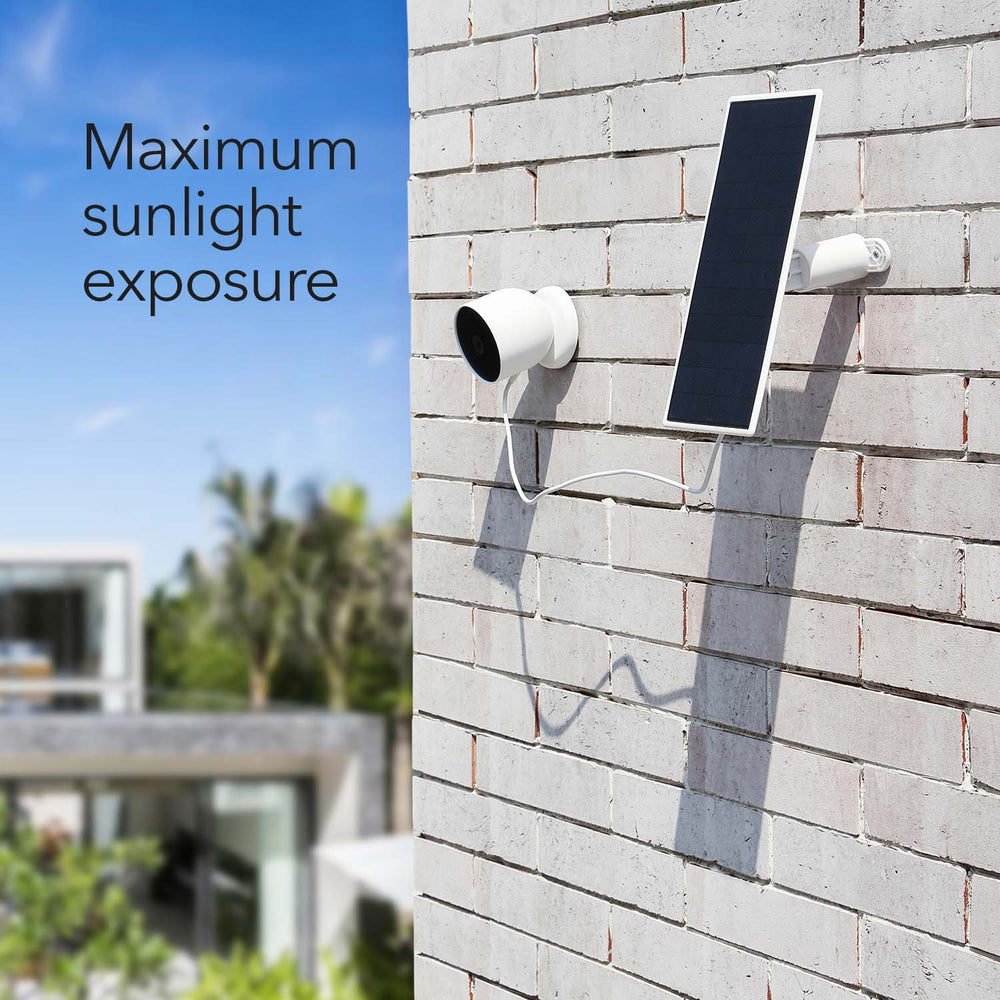
Choose the Location: Find a point with sufficient sunlight. Avoid shade from trees or buildings. In the Northern Hemisphere, mount the panel facing south for maximum light.
Safety First: Before you install solar panels, remove metallic jewelry and use a multimeter to ensure zero volts are present.
Mount the Panel: Use the necessary drill to ensure the mount stays put in strong winds. If installing on a roof, use sealant to prevent leaks.
Connect the Cable: Route the cable away from sharp edges. Connect the solar panel charger to the camera's micro USB or USB-C port.
Adjust the Angle: You may need to adjust the angle of your solar panels seasonally to follow the sun’s path and maximize energy capture.
Pro Tip: Cleaning your solar cells regularly with a damp cloth can significantly improve their output efficiency by removing dust and grime.
The benefits of switching to solar-powered systems go beyond just saving money.
Continuous Power: No more climbing ladders to change battery-powered units.
Sustainability: Reduces your carbon footprint by using renewable energy.
Remote Reach: Ideal for a trail camera or game camera located far from power lines.
Reliability: Solar panels for security cameras can still generate electricity on cloudy days, though with reduced efficiency.
If you want extra safety, smart doorbells can also be powered by solar panels, making them a great addition to your home security systems.
While there are various options on the market, some of the best solar panels are designed for specific security cameras:
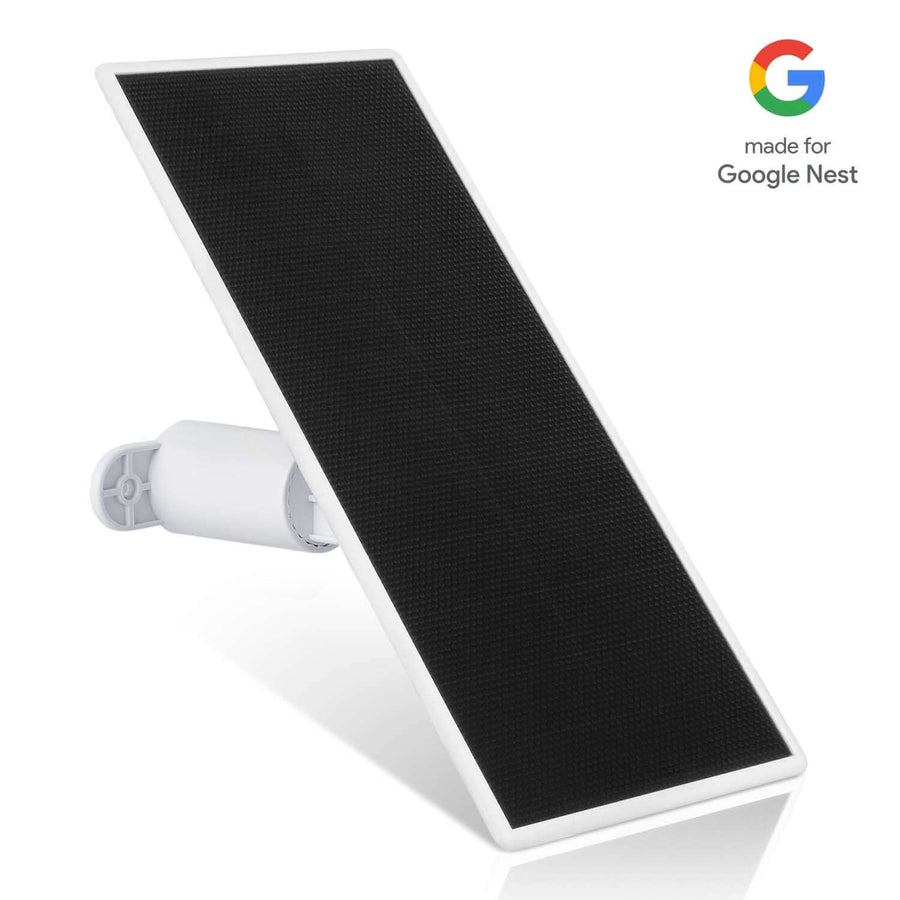
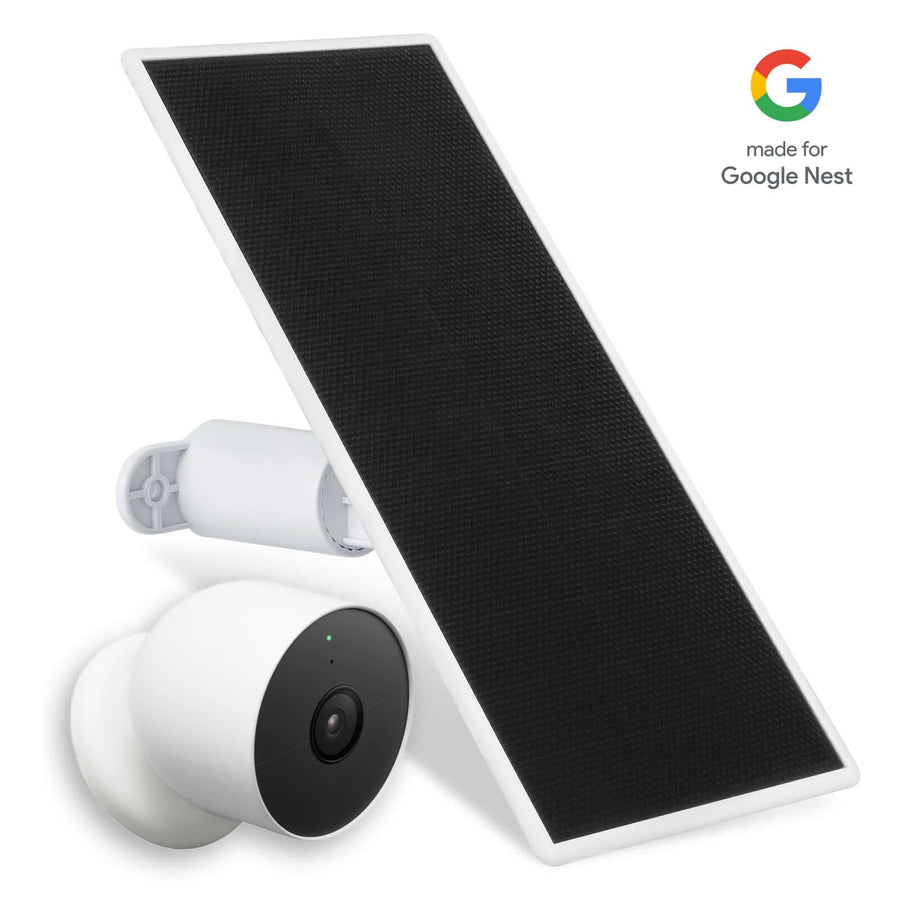
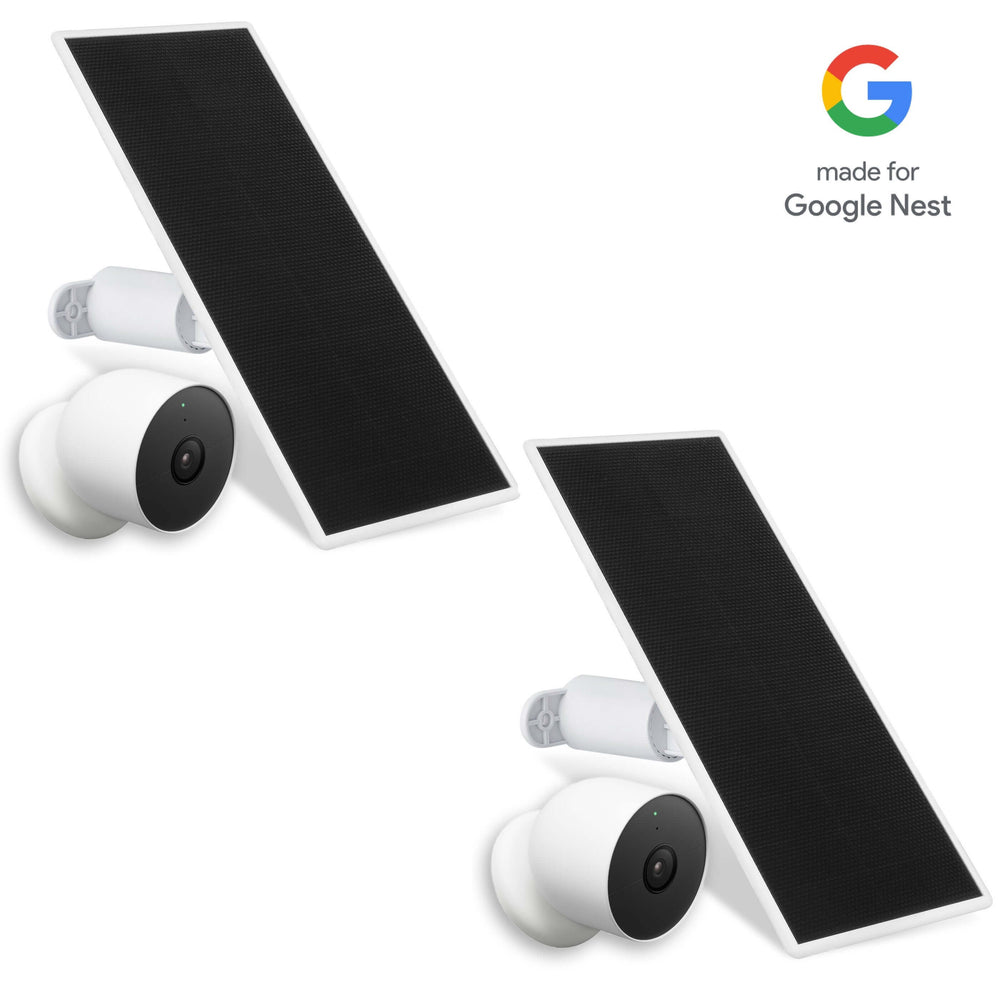
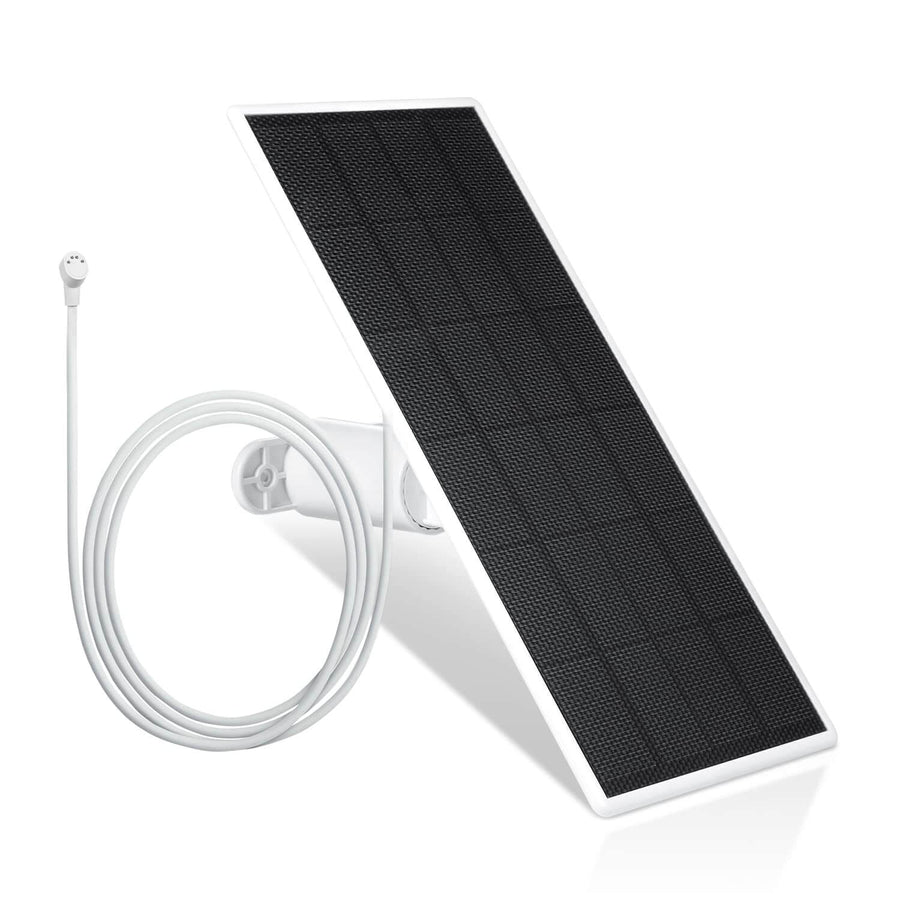
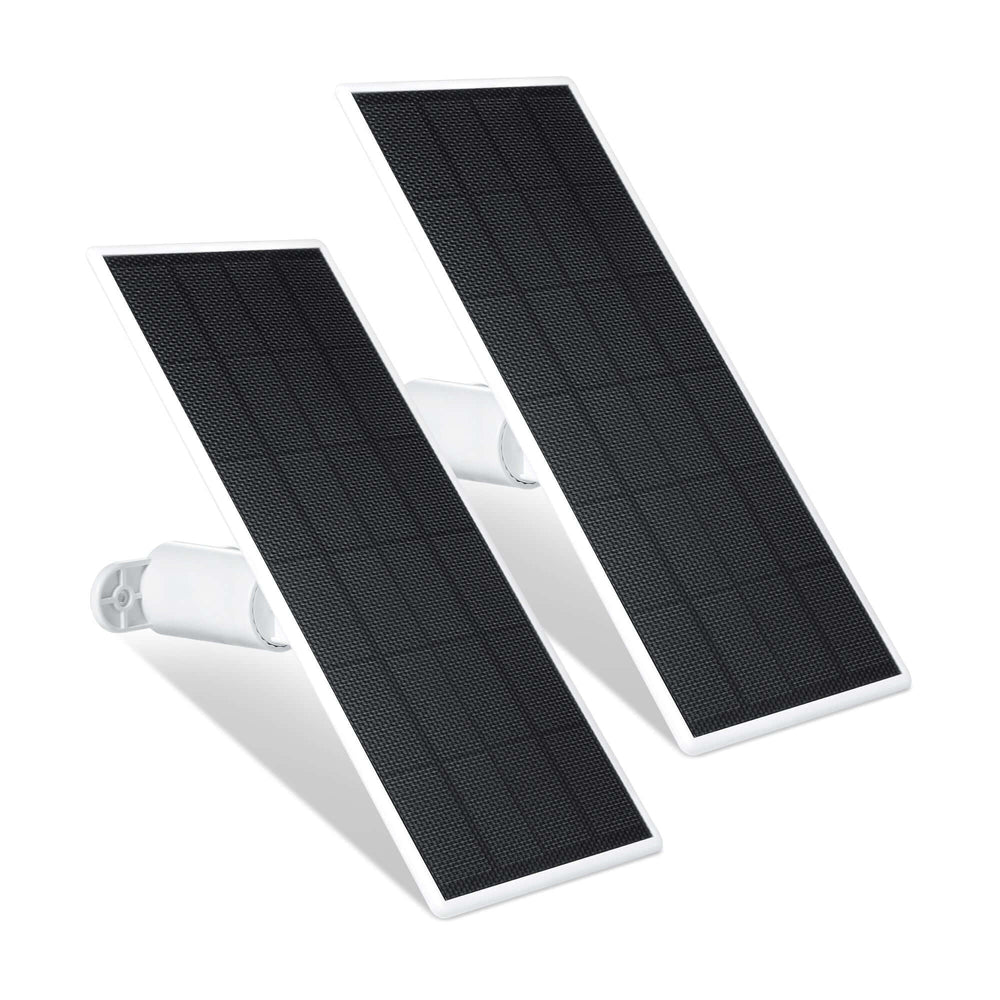
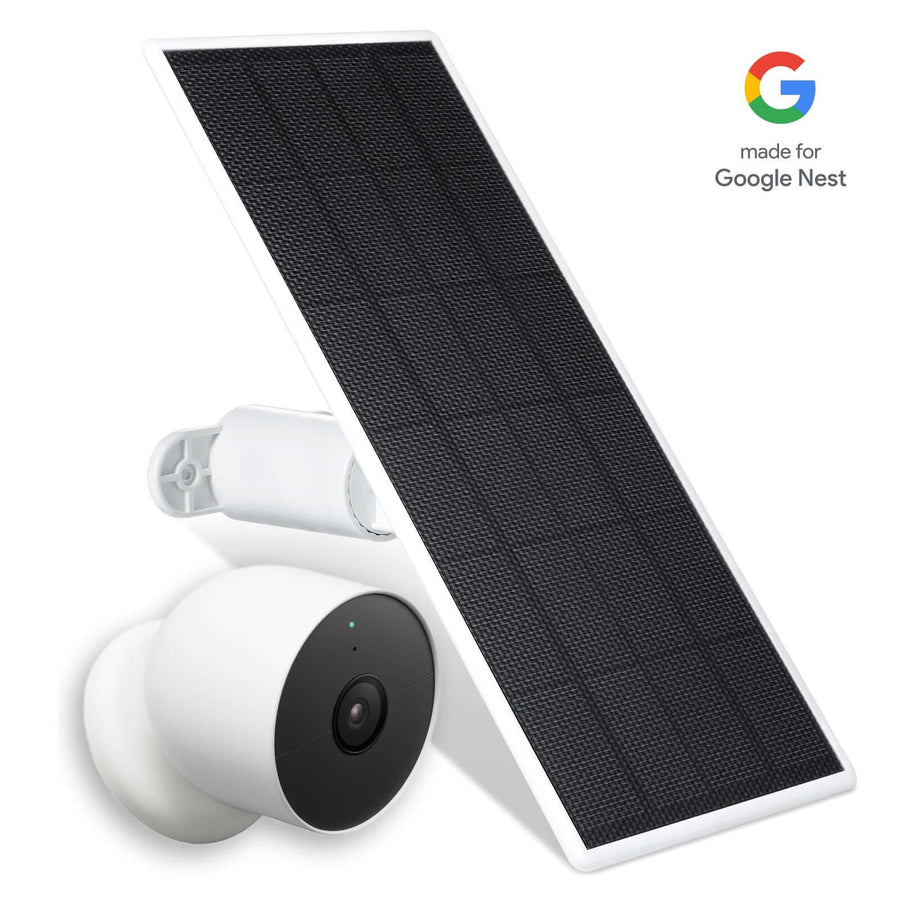
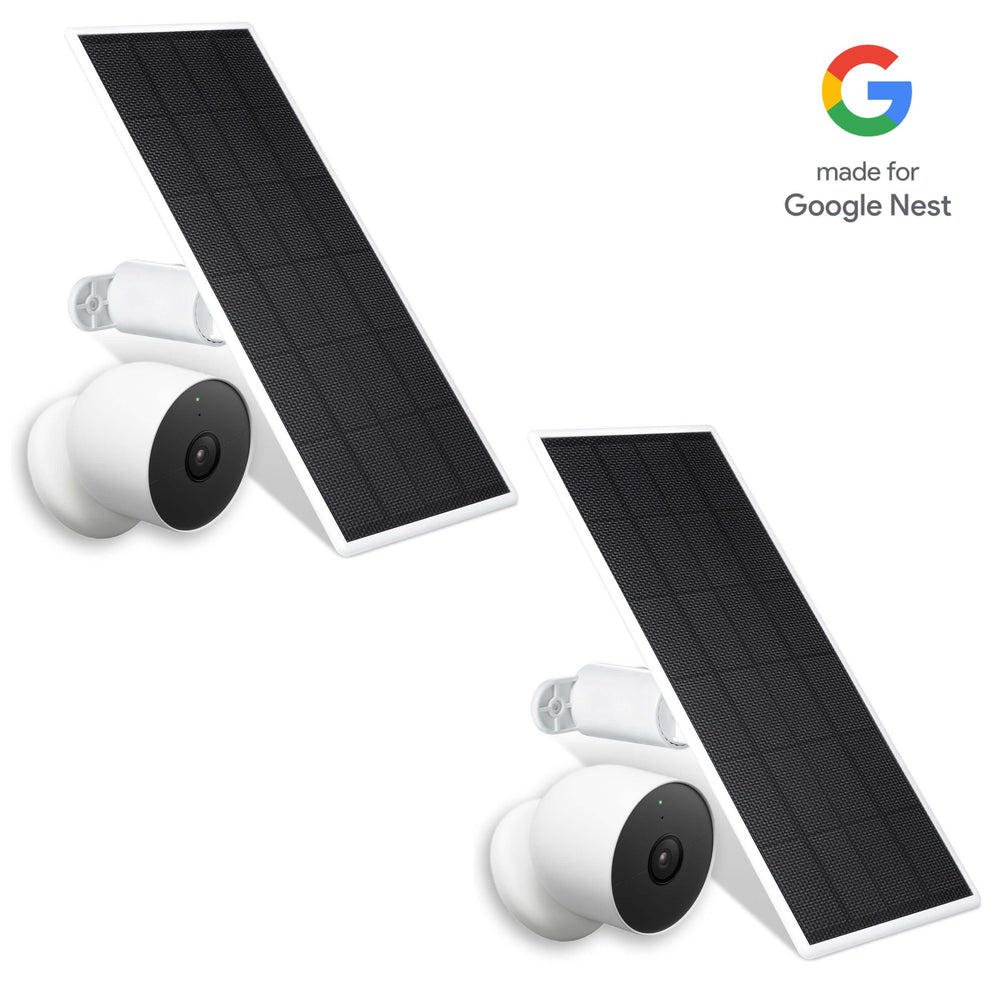
Wasserstein Premium Solar Panel: Specifically designed for the Google Nest Cam.
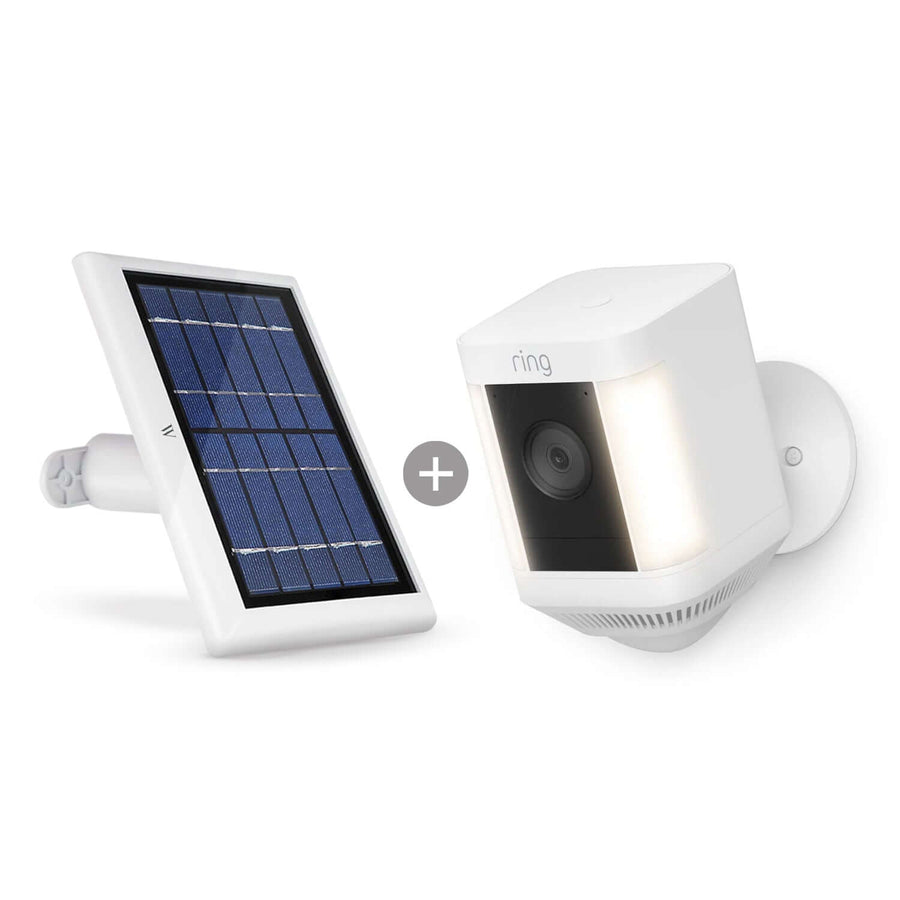
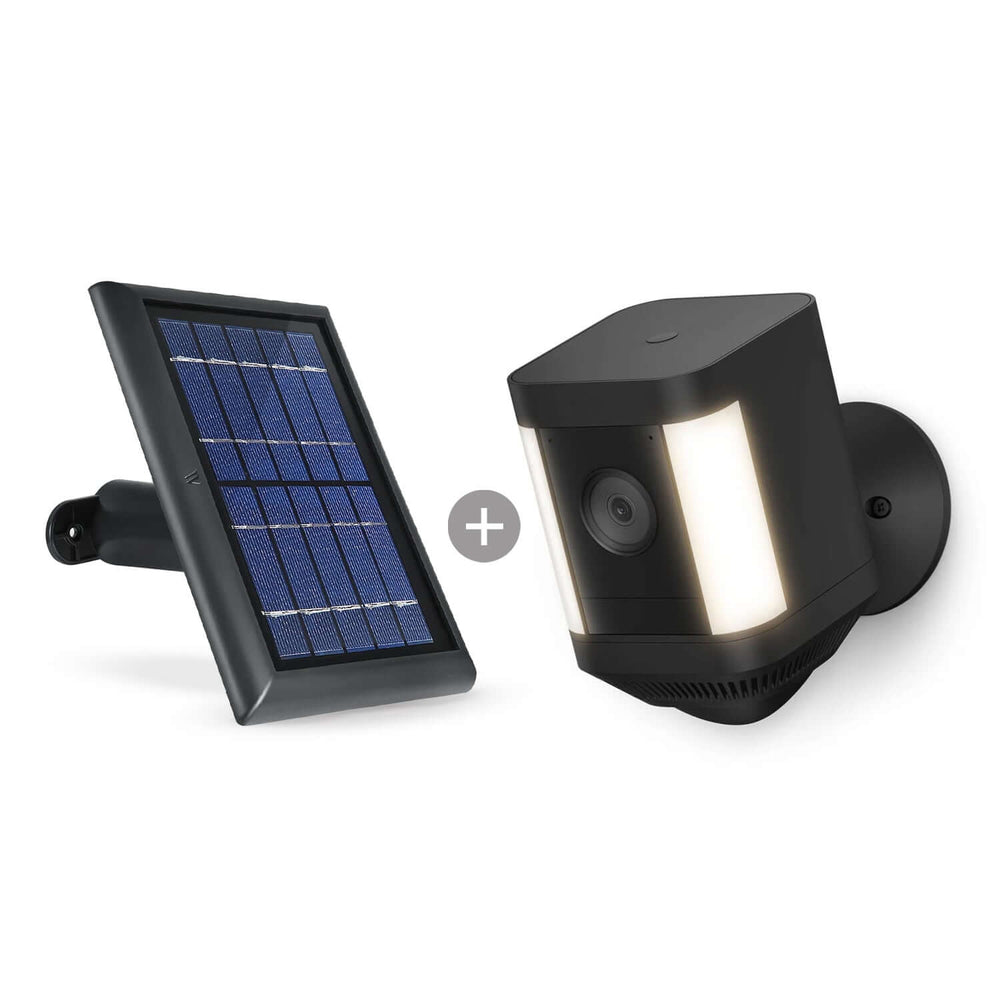
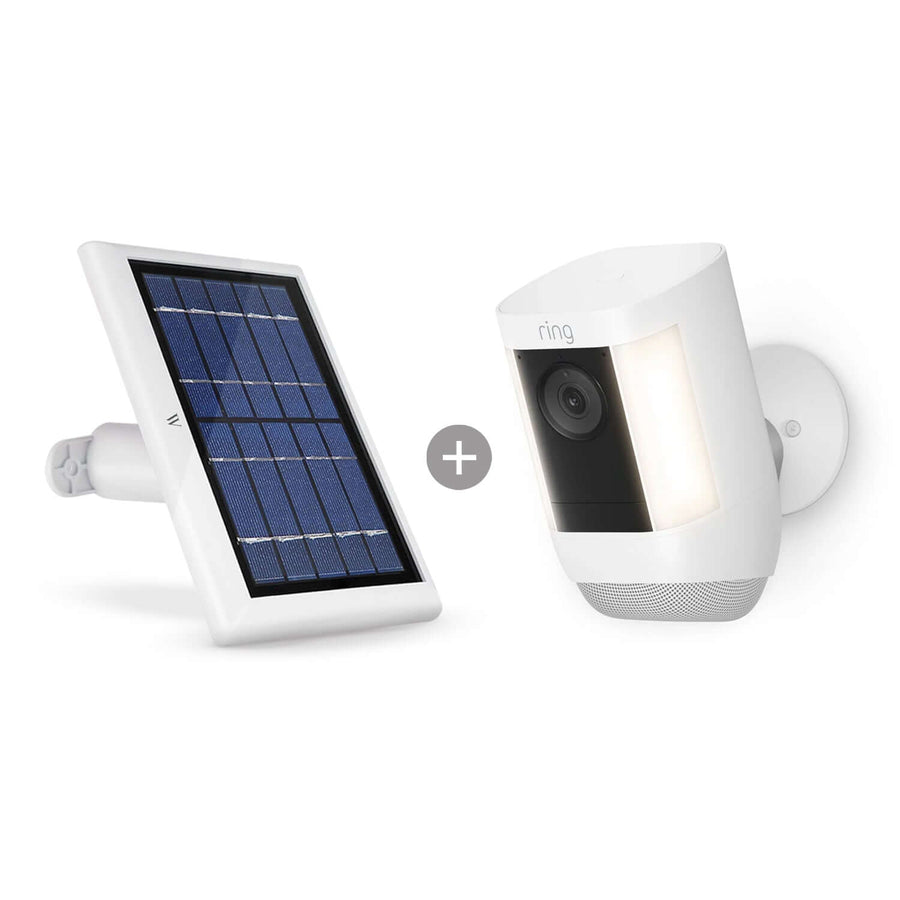
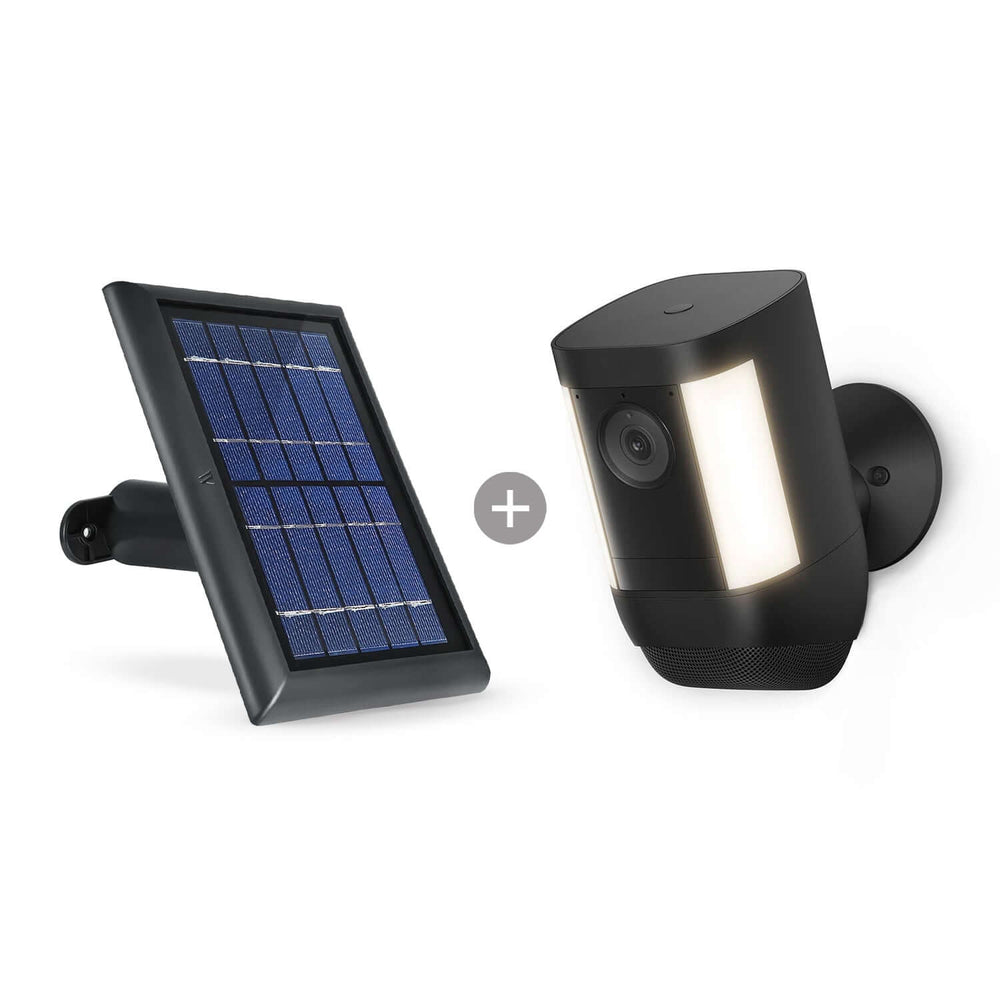
Wasserstein Solar Panel for Ring: Built for the Stick Up Cam and Spotlight Cam.
Wasserstein Solar Panel Charger for Arlo: Available for the Essential, Ultra, and Pro lines.
Generic Options: Many budget-friendly panels, such as the Reolink solar panel, use a standard micro USB and are compatible with various CCTV cameras (check if sold separately).
If you’ve decided it’s time to upgrade your home security with solar-powered technology, choosing the right outdoor security camera and compatible panel is key. With so many various options available, you should focus on three main factors to ensure your device remains functional year-round.
Compatibility and Connection: Not every camera solar panel works with every camera. Check if your camera has a micro USB or USB-C port. Brands like Reolink, Nest, and Arlo often have proprietary connectors, so ensure the solar panel charger you buy is specifically designed for your model.
Wattage and Efficiency: To ensure your security cameras stay charged, look for high-efficiency solar cells. A higher wattage panel (typically 6W to 20W) is better for wireless cameras located in high-traffic areas that trigger PIR motion detection frequently.
Battery Capacity: Since the sun isn't out 24/7, your camera needs strong camera batteries to store the energy generated during the day. Ensure the camera you choose has a large enough battery-powered reserve to last through several cloudy days or long winter nights.
When evaluating the price, remember that some panels are sold separately while others come as a bundle. Investing in a quality panel now will save you the maintenance hassle of manually recharging your video devices later.
Most panels for security cameras require about six to eight hours of sunlight to fully charge. However, high-efficiency panels can still trickle-charge even in shade or on cloudy days.
Yes. Solar converts light into electricity even in freezing temperatures. The main challenge is shorter days and potential snow coverage on the solar cells.
While easy installation is a hallmark of these devices, you can pay a price for professional help if you are uncomfortable on a roof.
Actually, they are cheaper than ever. You can often find a solar panel for a very good price, and you may even be eligible for local tax credits for using green energy.