

Do Security Cameras Work When The Power Is Out: Explained
Quick summary:
-
Most wired cameras fail during power outages — the camera, router, NVR/DVR, and internet connection typically shut down together when grid power is lost.
-
Battery-powered cameras keep working — they operate independently of the grid, with battery life typically lasting 3–6 months (or up to 2 years with lithium batteries) when using motion-activated standby.
-
Solar panels keep batteries charged — adding a solar panel can maintain charge with 2–4 hours of daily sunlight, helping cameras stay online during extended outages.
-
UPS units protect wired setups — connecting cameras, the router, and NVR/DVR to an uninterruptible power supply can keep the system running for 30 minutes to several hours during short outages.
-
Backup readiness is essential — local storage, cellular failover, charged spare batteries, and regular maintenance ensure your cameras continue recording when power or internet is lost. These backup technologies help protect your property and ensure safety even when you lose power. With the right setup, you don't have to worry about losing security coverage during a power outage.
Security cameras are one of the most important tools for protecting homes and businesses. A well-designed security camera system can deter intruders, record incidents, and provide valuable evidence when something goes wrong. But many homeowners ask the same question before installing a system: Do security cameras work when the power is out?
A power outage can disrupt many electronic devices. Since most security systems rely on electricity, losing power may cause parts of the camera system to stop working temporarily. Cameras may lose their power supply, the Wi-Fi router may shut down, and the entire CCTV system could fail to record or send alerts.
However, modern security cameras are designed with several backup solutions. Battery-powered cameras, solar-powered devices, uninterruptible power supply (UPS) units, and even generators can provide backup power during outages. Some systems also include built-in backup batteries or local storage so recordings continue even when internet access is unavailable.
Understanding how different security camera systems operate during a blackout helps you choose the best solution for uninterrupted protection. In this guide, we’ll explain how cameras behave during a power cut and what technologies keep them running when electricity fails.
Short Answer: Do Security Cameras Work When the Power Is Out?
The short answer is that most security cameras stop working when the power is out, but it depends on the type of system you have installed.
Here’s how different cameras behave during a power outage:
-
Traditional wired CCTV cameras usually stop working when the power fails.
-
Battery-powered cameras can continue recording without electricity.
-
Cameras with a built-in backup battery may keep recording for several hours.
-
Solar-powered cameras can operate continuously if their batteries remain charged.
-
Systems connected to a UPS (uninterrupted power supply) can stay powered temporarily.
-
Generators can provide emergency power during long outages.
While most traditional alarm systems also stop working without power, some modern security cameras are designed to operate independently and can continue functioning even when the main power is out.
So while many cameras lose functionality when power cuts occur, certain battery-powered or solar cameras can continue to operate without power from the grid, making them a reliable option during blackouts.
Why Most Security Cameras Stop Working During Power Outages
Most traditional CCTV cameras depend entirely on electricity. When a power cut occurs, the camera itself loses power, the router shuts down, and the network connection disappears. In these situations, the entire system is left without power, making it unable to function unless there is a backup solution.
If a camera loses power, it cannot:
-
Record video
-
Send alerts
-
Provide remote viewing
-
Transmit data to the cloud
Some advanced security systems can maintain connectivity using cell service, such as 4G cellular networks, even when Wi-Fi is unavailable. This allows certain wireless cameras to continue sending alerts or footage during outages, provided they have battery backup and cell service coverage.
This is especially true for IP cameras and wired CCTV systems connected to a central recorder. These systems require multiple powered devices, including:

-
Cameras
-
Network video recorder (NVR) or DVR
-
Wi-Fi router
-
Internet modem
If any part of this chain fails, the entire camera system may stop working. Even if cameras still have power, losing the internet connection means you cannot access them remotely. In other words, the cameras might still record locally, but you won’t be able to view them until the network is restored.
CCTV System Components
A reliable CCTV system is made up of several essential components that work together to deliver a complete security solution for your home or business. Understanding these parts can help you choose the right setup and ensure your security remains intact, even when the power goes out.
Key components of a CCTV system include:
-
Cameras: These are the eyes of your security system, capturing video footage of your property. Modern cameras come in various styles, including dome, bullet, and PTZ (pan-tilt-zoom), and can be wired or wireless depending on your needs.
-
Recorders: Devices like DVRs (Digital Video Recorders) or NVRs (Network Video Recorders) store and manage the video captured by your cameras. They provide local storage, allowing you to review footage even if your internet connection drops.
-
Monitors: Monitors display live or recorded video from your cameras, making it easy to keep an eye on your property in real time. Many systems allow remote viewing via smartphones or computers for added convenience.
-
Power Supplies: Every CCTV system needs a reliable power supply to keep running. This includes not only the main power source but also backup solutions like battery backup units and uninterruptible power supply (UPS) systems. These backup options are crucial for keeping your cameras and recorders operational during a power outage, ensuring continuous security and uninterrupted storage of important footage.
By understanding how each component functions—and by investing in backup power solutions—you can build a CCTV system that keeps your property protected, even when the unexpected happens. Whether you’re safeguarding a business or your home, having a robust power supply and backup plan is key to maintaining security and peace of mind.
How Security Cameras Can Still Work During a Power Outage
Fortunately, several technologies allow security cameras to operate even if you lose power from the grid. These backup power solutions are designed to protect your property and maintain surveillance during outages. The most common backup power solutions include a range of Google Nest camera accessories like solar panels, mounts, and PoE adapters that help maintain power and optimize placement:
-
Battery-powered security cameras
-
Solar-powered camera systems
-
Uninterruptible power supply (UPS) units
-
Backup generators
Many modern security systems combine multiple solutions in hybrid systems to maximize reliability.
Battery-Powered Security Cameras
Battery-powered cameras are one of the most reliable solutions for maintaining security during a power outage. Because they run on rechargeable or replaceable batteries, they can operate independently of the electrical grid, as long as you properly charge and maintain the camera batteries. This means you don't have to worry about your security system going offline when the power is out.

The Nest Cam Battery is the wireless version of Google's popular minimalist security camera.
These cameras are often fully wireless, making installation simple. They connect through Wi-Fi or cellular networks and can be installed in locations where running cables is difficult, similar to how Google Nest Cam Battery systems and accessories are designed for flexible placement.
Many models also include built-in batteries or swappable battery packs that allow continuous recording even when the power supply fails. Battery life for these cameras can vary from weeks to months, depending on usage and features activated, so you don't have to worry about unexpected downtime if you monitor battery levels.
How Long Battery Cameras Last
The recording duration of a battery-powered camera depends on the battery capacity, recording settings, and usage frequency.
Typical battery life ranges include:
-
3 to 6 months for most rechargeable battery cameras
-
Up to 2 years for cameras using lithium replacement batteries
-
Several weeks for high-traffic environments with frequent recordings
If a camera has internal batteries, the amount of footage it records during a blackout depends on how much charge remains when the outage occurs.
How Motion Detection Saves Battery Power
Many battery-powered security cameras use motion detection technology to conserve power. Instead of recording continuously, the camera stays in a low-power standby mode. When motion is detected, the camera wakes up and begins recording. This approach significantly reduces energy consumption, allowing cameras to run longer on a single charge.
Efficient Technology That Extends Camera Battery Life
Modern security cameras use several techniques to extend battery performance:
-
Low-power firmware that optimizes device energy consumption
-
Efficient video compression, such as H.265, to reduce data transmission
-
AI-based detection that records only meaningful events
-
Smart standby modes to reduce unnecessary recording
Some advanced cameras also incorporate features like ColorX technology, which enhances nighttime image quality and clarity without significantly impacting battery performance.
These innovations allow cameras to remain operational for months while using minimal power.
Solar-Powered Security Cameras
Another reliable option during power outages is solar-powered security cameras. These cameras combine battery-powered hardware with solar panels that recharge the batteries during the day. As long as the camera receives adequate sunlight, it can operate indefinitely. Solar charging systems typically require 2–4 hours of sunlight daily to maintain full battery levels.
Using Solar Panels to Prevent Camera Downtime
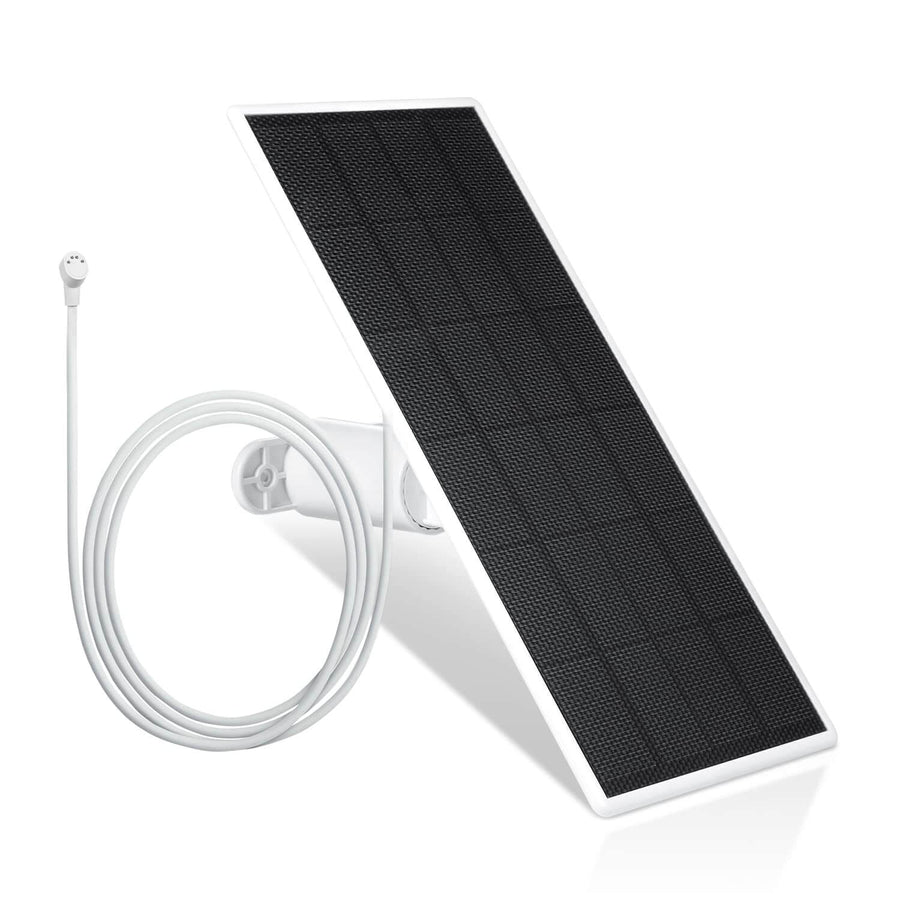
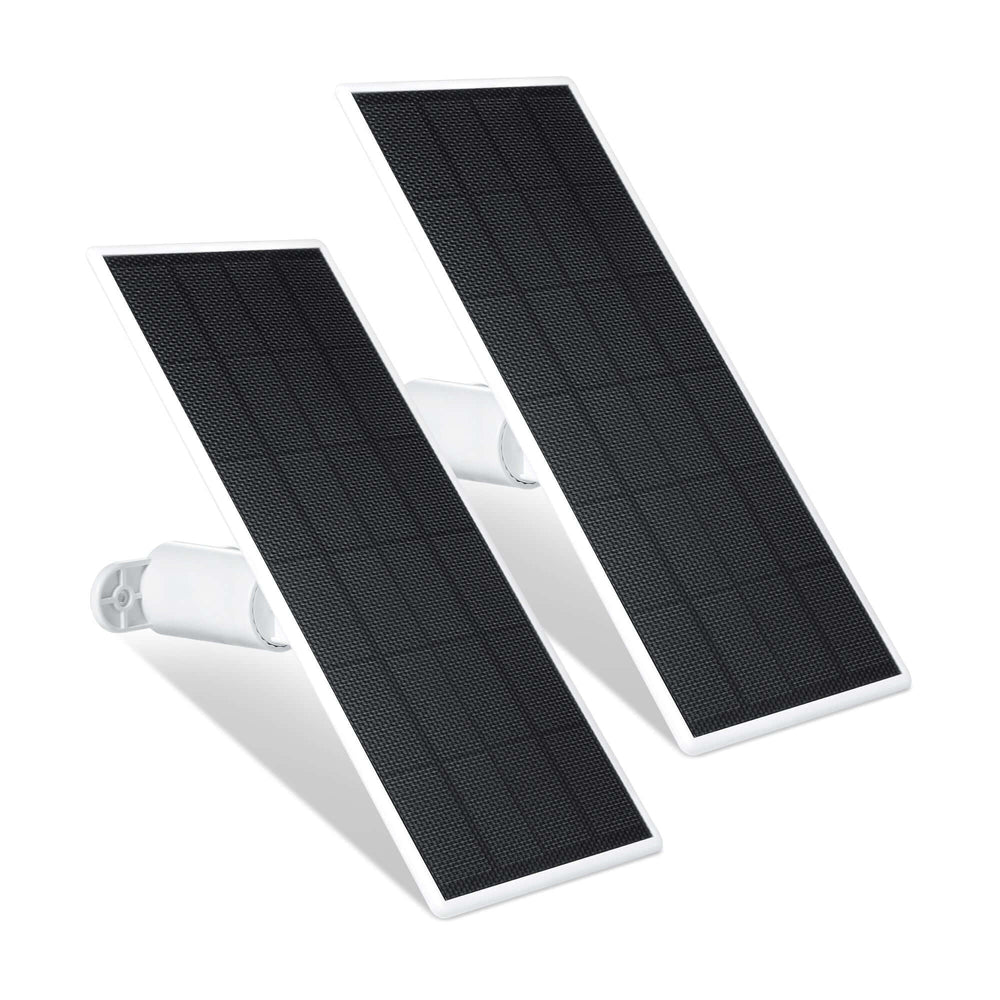
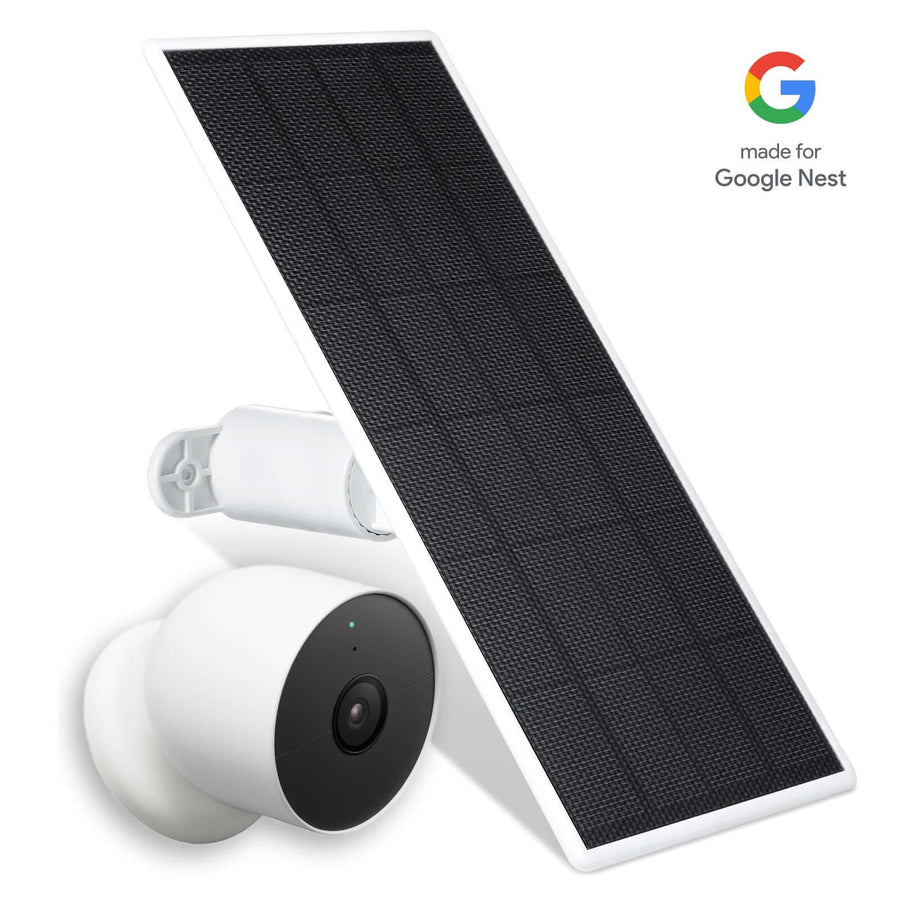
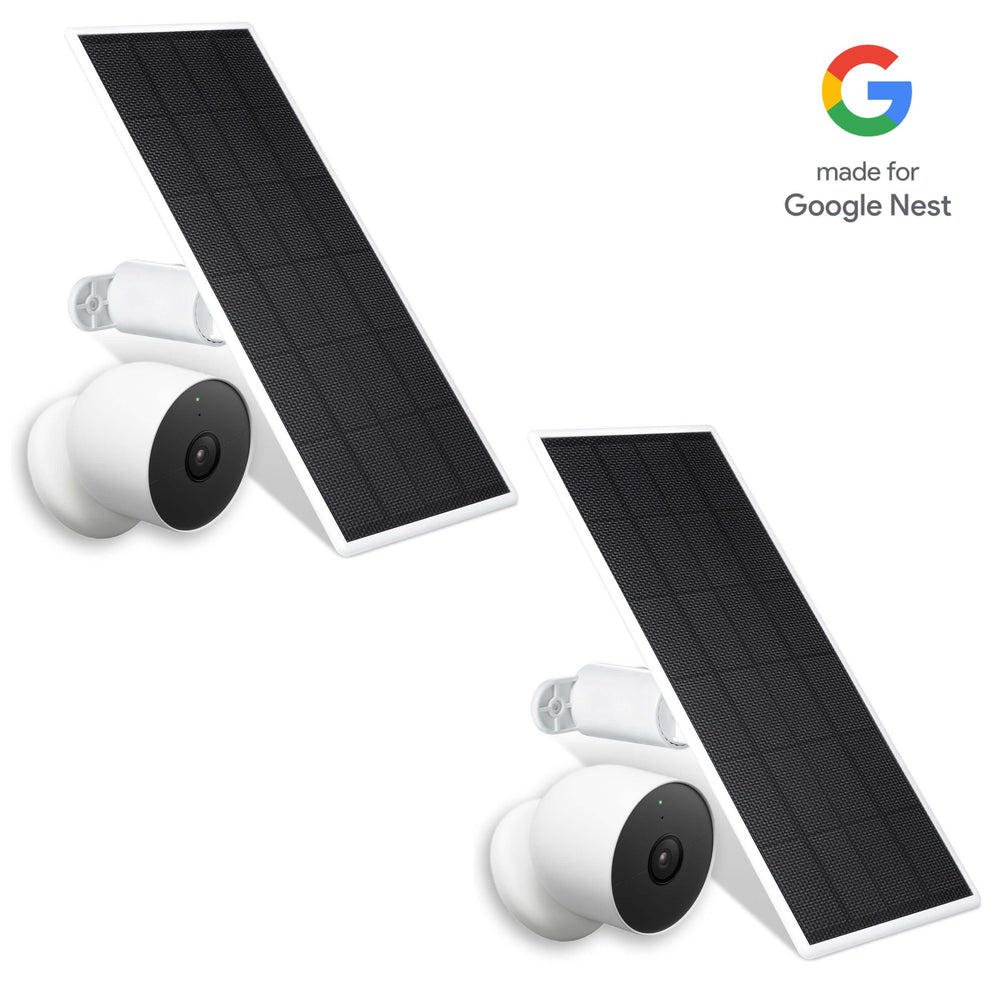
Solar accessories can dramatically improve reliability during outages. Wasserstein Solar Panels are designed specifically to power compatible security cameras. These panels include a 360-degree rotatable mount, allowing users to adjust the angle for maximum sunlight exposure.

A Google Nest Cam Battery powered by a Wasserstein solar panel.
The panels also include a 13.1-foot cable, making it easier to position the panel while keeping the camera in the ideal monitoring location. High-efficiency solar cells allow them to generate power even in lower-light conditions, helping cameras avoid downtime.
By pairing battery-powered cameras with solar charging, homeowners can maintain continuous security even when the electrical grid fails.
Using Backup Batteries for Continuous Surveillance
Another way to keep your security camera system operational during outages is by rotating spare batteries. The Wasserstein Battery Charging Station is designed to keep multiple camera batteries ready at all times. With dual charging docks, it can charge two batteries simultaneously, ensuring replacements are always available.

This Wasserstein Battery Charging Station has two docks that allow for simultaneous charging of two batteries of two different security cameras.
This approach allows you to quickly swap batteries when one runs low, preventing interruptions to your security system. The charger works with several popular camera models and can fully recharge a battery in about 8–10 hours. For those seeking even longer battery life, the Reolink Altas PT Ultra features a large 20,000 mAh battery, enabling over 8 days of operation on a single charge, making it ideal for areas lacking reliable power.
For households using multiple battery-powered cameras, having a dedicated charging station helps maintain continuous surveillance.
Using an Uninterruptible Power Supply (UPS)
A UPS (uninterruptible power supply) is another popular backup power option. It contains an internal backup battery that automatically supplies electricity when the main power supply fails. By connecting your router, recorder, and cameras to a UPS, you can keep your CCTV system running temporarily, and pairing this with solutions like power-over-Ethernet adapters for Nest Cam can simplify how cameras receive power during and after outages.
Most UPS units can power devices for anywhere between 30 minutes and several hours, depending on their capacity. This solution works best for systems that rely on wired cameras and network devices.
Backup Generators for Long Power Outages
When outages last longer than a few hours, a backup generator becomes the most reliable option, especially for hardwired accessories like 3-in-1 floodlight chargers for outdoor Nest Cams that need continuous power for lighting and recording. Generators produce electricity using fuel such as gasoline or propane. When the generator kicks on, it can power the entire security system, including cameras, routers, and recording devices. Although generators involve a higher cost, they are commonly used in commercial environments or homes located in areas with frequent power interruptions.
Can Security Cameras Record Without Internet?
Yes, many security cameras can continue recording without internet access. Cameras equipped with local storage, such as microSD cards or internal storage, can save video directly to the device. Even if the internet connection or Wi-Fi network fails, the footage remains stored locally. Once the connection returns, users can access and review the recordings.
Cellular Security Cameras for Outage Connectivity
Some cameras offer cellular failover capabilities. These cameras contain SIM cards that connect to 4G or LTE networks. If your Wi-Fi network fails during a power outage, the camera automatically switches to cellular data, maintaining alerts and remote access.
This technology is particularly useful for:
-
Remote locations
-
Construction sites
-
Off-grid properties
Wired CCTV Systems vs Battery Cameras During Outages
There is a significant difference between wired and wireless systems when it comes to outages.
Traditional CCTV systems
-
Depend entirely on grid electricity.
-
Require DVR/NVR recorders.
-
Usually stop working during power cuts and cannot protect your property without power.
Battery-powered cameras
-
Operate without a direct electrical connection.
-
Can record during outages and continue to protect your property even without power from the grid.
-
Often support solar charging
For homeowners concerned about reliability, battery-powered security cameras are often the better solution, and pairing them with Google Nest Doorbell (battery) systems and accessories can extend outage-ready coverage to your front door.
CCTV Cameras With Built-In Battery Backup
Some advanced CCTV cameras include built-in backup batteries. When the main power fails, the camera automatically switches to battery power. However, this backup usually lasts only a limited time, typically a few hours. The exact duration depends on the battery size and recording settings.
How to Choose a Security Camera That Works During Power Outages
When selecting a security camera system, consider these features to ensure reliability during outages:
-
Battery-powered cameras
-
Solar panel compatibility
-
Cellular connectivity
-
Local storage options
-
UPS compatibility
-
Energy-efficient hardware
Combining these features creates a robust backup plan for maintaining security even when the grid fails.
For personalized advice, consult security experts or customer service to get tailored recommendations and find the best system for your specific needs.
Maintenance Tips for Reliable Security During Blackouts
Regular maintenance helps ensure your system works during emergencies, and choosing certified Made for Google camera accessories can also improve long-term reliability.
Recommended practices include:
-
Checking battery levels regularly
-
Testing UPS backup systems
-
Cleaning solar panels
-
Updating camera firmware
-
Verifying network and router functionality
These simple steps can prevent unexpected failures during a power outage.
FAQs
Do security cameras work when the power is out?
Most wired cameras stop working when electricity fails. However, battery-powered cameras, solar cameras, and systems connected to UPS units or generators can continue operating during a power outage.
What types of cameras work without electricity?
Battery-powered security cameras, solar cameras, and cellular cameras can operate without electricity from the grid. These cameras rely on internal batteries or solar charging instead of a constant wired power source.
How can I keep my security cameras running during power outages?
You can use battery backup systems, solar panels, UPS units, or generators. Many homeowners combine these solutions to create hybrid systems that maintain continuous security monitoring.
Can security cameras record without the internet?
Yes. Cameras with local storage, such as SD cards, can continue recording even when the internet connection is lost. Once the network returns, the recordings can be accessed.
Are solar security cameras reliable?
Yes. Solar-powered cameras can operate continuously as long as their batteries receive enough sunlight to recharge. With proper placement and efficient panels, they can run for extended periods without interruption.
Is a UPS necessary for CCTV systems?
A UPS is highly recommended for wired CCTV systems. It provides temporary power during outages and keeps cameras, routers, and recorders operating until electricity is restored.
How long do battery-powered security cameras last?
Battery life varies depending on camera usage and capacity. Most models last 3 to 6 months per charge, though some systems can operate longer with efficient power management and solar charging.
Leave a comment