

Solar Panel Efficiency Tips for Maximizing Performance
Quick summary:
-
Efficiency Fundamentals: Solar panel efficiency dictates how much sunlight is converted into usable electricity rather than being lost as heat. Standard residential panels operate at 15% to 22% efficiency, losing an average of 2.5% in their first year and 0.5% annually afterward to normal UV and climate exposure.
-
Climate Impacts:
-
Hot Climates: Extreme heat ironically lowers efficiency once temperatures pass standard 25°C testing conditions, making structural airflow beneath panels crucial.
-
Cold Climates: Cold air actually boosts solar cell performance, but shorter days and snow cover drop total output.
-
Coastal/Dusty Areas: Marine salt crusts, agricultural pollen, and dirt directly block light waves, requiring a soft-cloth wash 1 to 2 times per year.
-
-
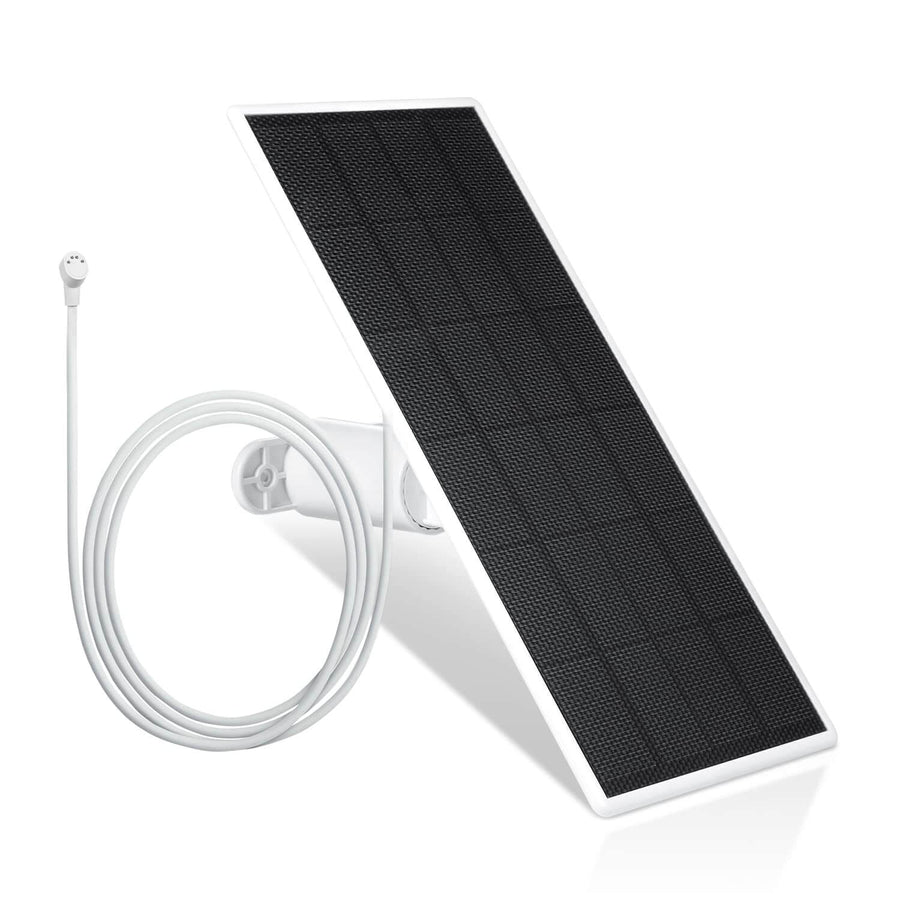
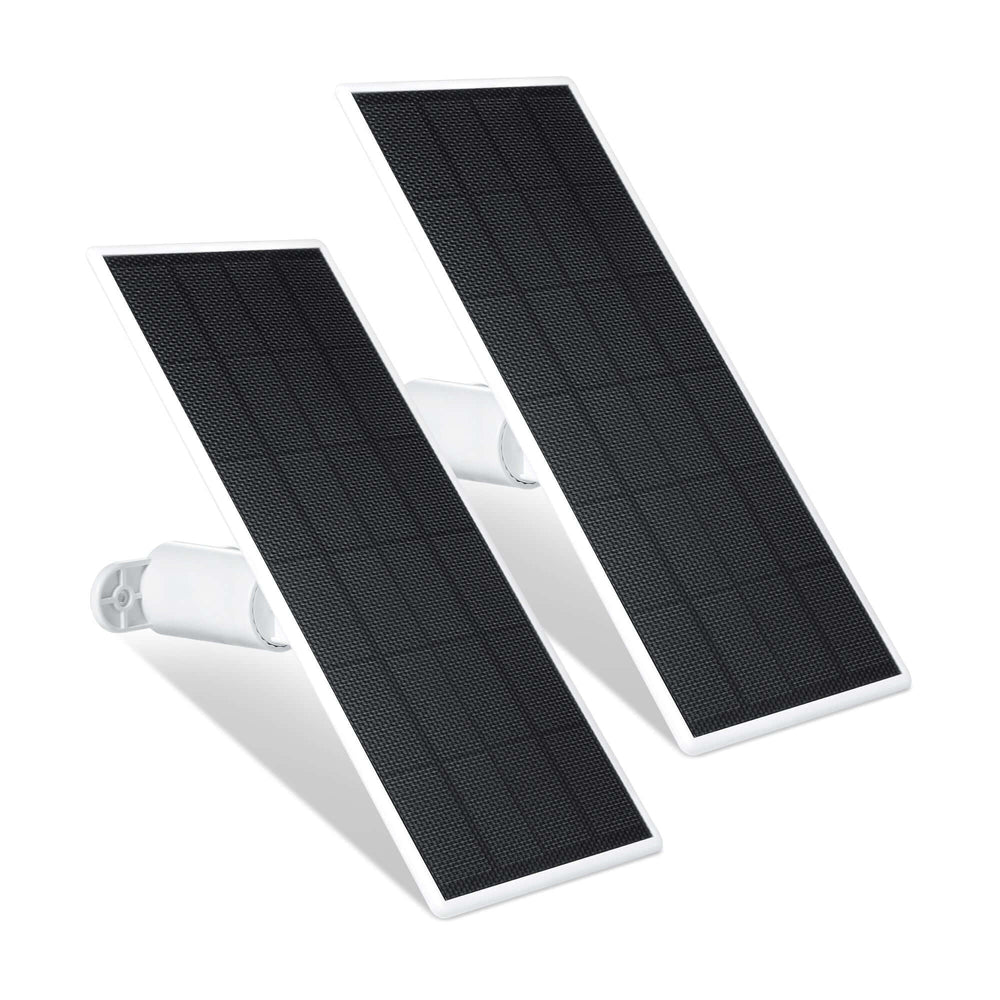
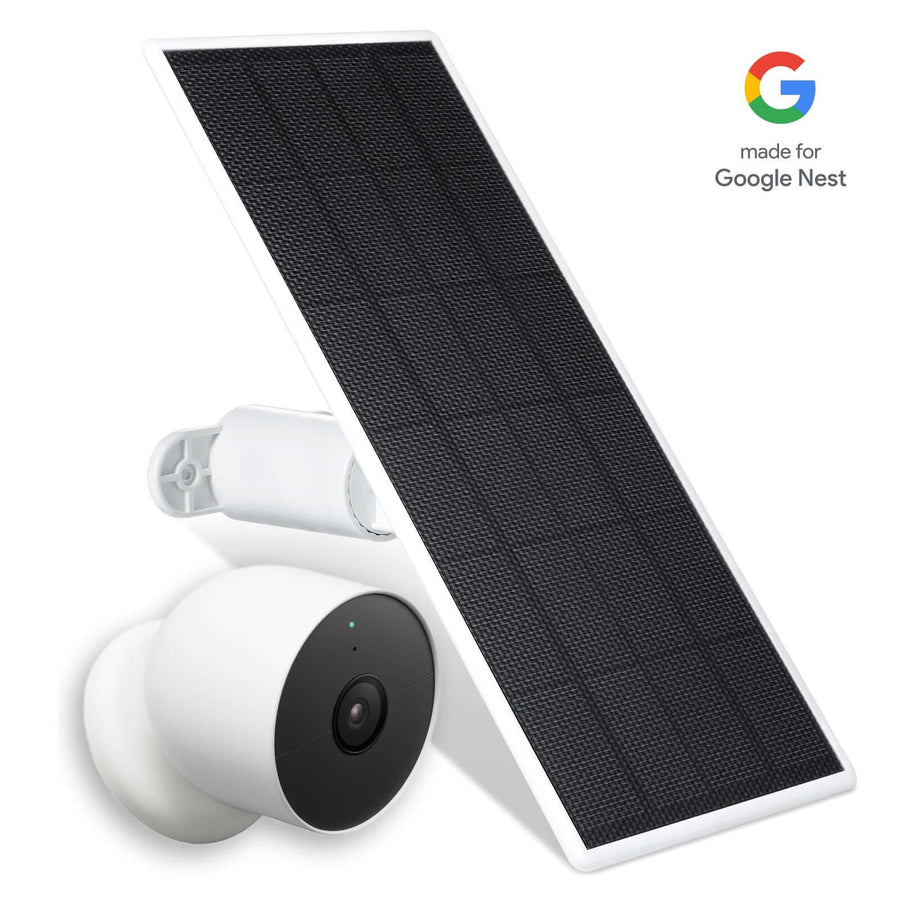
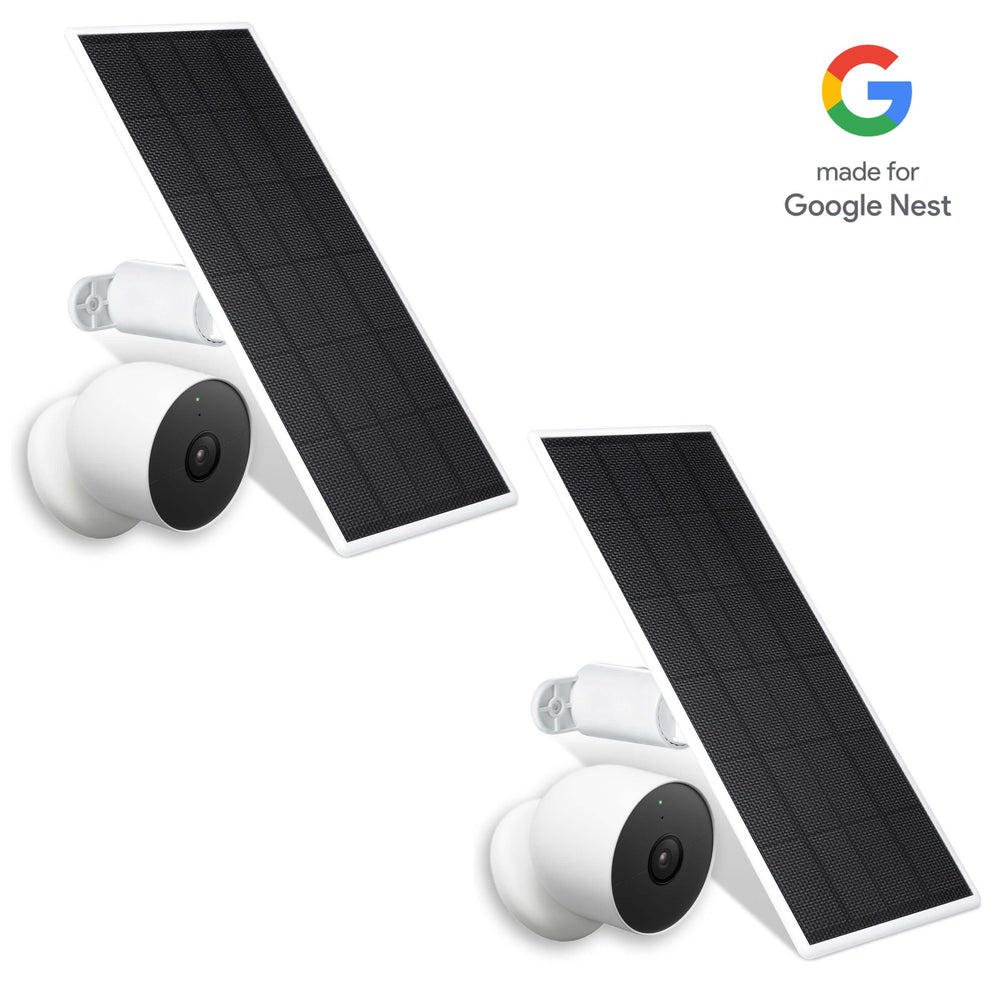
Maximizing Exposure: Shading from gutters, tree branches, or eaves drastically impacts compact camera panels. Utilizing Wasserstein's adjustable 360-degree mounts and extended 13.1-foot cabling lets you position the camera in the shade while pinning the monocrystalline panel directly into the path of optimal, south-facing sunlight.
-
Hardware Choice: Compact security setups demand premium monocrystalline cells, which extract the highest possible electrical yield from small surface areas to eliminate manual battery-swapping downtime.
Solar panel efficiency tips start with four basics: install panels where they get the most direct sunlight, clean and inspect them regularly, choose high-efficiency panel types, and monitor output so you can catch problems early. Whether you're running a home solar energy system or relying on solar panels to keep a security camera or video doorbell charged, even small gains in efficiency can increase energy production, reduce maintenance, lower electricity costs, and keep devices powered longer throughout the year.
Climate, installation, and routine care all shape real-world performance. Heat, snow, dust, shade, and panel orientation can all reduce usable electricity, so this guide breaks down solar efficiency fundamentals, how different climates affect output, the most common causes of efficiency loss, practical ways to maximize solar production, and what to look for when choosing panels for cameras and doorbells. It also shows how products like Wasserstein solar panels for security cameras and doorbells can deliver more reliable solar power with less downtime.
What Is Solar Panel Efficiency?

Solar panel efficiency refers to how effectively a panel converts sunlight into usable electricity. More specifically, conversion efficiency measures how much of the light reaching a solar cell becomes electrical energy instead of being lost as heat or reflected away.
For example, if two solar panels receive the same amount of sunlight, the one with higher efficiency will produce more electricity. This allows a solar power system to generate more energy without requiring additional installation space.
Most residential photovoltaic (photovoltaic) panels operate between roughly 15% and 22% efficiency, although premium products can achieve even higher performance. Compact solar accessories, such as those designed for security cameras and wireless doorbells, also benefit from efficient solar cells because they must generate enough power from a much smaller surface area.
For homeowners using solar-powered security devices, better efficiency means:
-
More consistent battery charging
-
Less downtime during cloudy weather
-
Better performance during shorter winter days
-
Improved long-term reliability
Why Solar Panel Efficiency Changes Over Time
Every solar panel system gradually loses efficiency over its lifetime. This is a normal process caused by continuous exposure to environmental conditions rather than a sudden equipment failure.
Most solar panel manufacturers expect an average degradation of approximately 2.5% during the first year, followed by around 0.5% annually afterward. Although this decline is relatively slow, it can influence how much energy the panel produces in the long run and the return on your solar investment.
Several factors contribute to this gradual loss.
-
Constant UV exposure slowly ages the protective components surrounding each solar cell.
-
Daily heating and cooling cause expansion and contraction within the module, weakening electrical connections over time.
-
Moisture and humidity may affect internal materials if water enters the panel.
-
Manufacturing quality also plays an important role, making reputable solar panel manufacturers an important consideration.
Choosing quality equipment helps minimize these issues. High-quality panels generally offer stronger construction, lower degradation rates, and better warranty coverage, allowing the system to maintain better performance throughout its lifespan.
How Different Climates Affect Solar Panel Efficiency
No climate is perfect for every solar system. Understanding how local weather affects performance helps you make better installation and maintenance decisions.
Hot Climates
Many homeowners assume hotter weather automatically improves solar power production because there is more sunshine. In reality, excessive heat can reduce performance.
Most solar panels are tested under standard conditions of 25°C. Once panel temperatures rise above that point, efficiency gradually declines. High temperatures reduce the panel's ability to convert sunlight into electricity, meaning the system generates slightly less power even on bright days.
Proper airflow is essential. During installation, leave adequate space between the panel and its mounting surface so heat can dissipate more effectively. For camera solar panels, avoid mounting locations where reflected heat from walls or roofs may cause unnecessary temperature buildup.
Cold And Snowy Climates
Interestingly, cold weather often improves the electrical performance of a PV cell. Lower operating temperatures help solar cells convert sunlight more efficiently. However, temperatures drop during winter for another reason: shorter days. Even though panels operate more efficiently in low temperatures, reduced daylight hours naturally limit total energy production.

Snow accumulation presents another challenge. A panel completely covered with snow cannot absorb enough light to generate electricity. Fortunately, snow usually slides off tilted panels once temperatures rise or sunlight returns. If manual cleaning becomes necessary, gently remove snow using a soft brush to avoid scratching the protective surface.
Coastal, Humid, And Dusty Areas
Environmental conditions also affect long-term performance. Coastal regions expose panels to salt and humidity, while dry environments often experience dust buildup. Agricultural locations may also collect pollen and other airborne particles. These contaminants block incoming sunlight and may significantly reduce solar panel efficiency if left untreated. Fortunately, routine maintenance helps restore normal performance.
Common Factors That Reduce Solar Panel Efficiency
Several environmental and installation factors can reduce solar panel efficiency over time, especially for outdoor systems such as SimpliSafe cameras powered by a dedicated SimpliSafe solar panel. While some, such as natural aging, are unavoidable, many issues—including shading and dirt buildup—can be minimized with proper planning and routine maintenance.
Poor Orientation And Shading
Even the most efficient panel cannot perform well without adequate sunlight. Panels should receive as much direct sunlight as possible throughout the day. In the Northern Hemisphere, south-facing installations generally provide the highest annual energy output, although exact positioning depends on local conditions.
Avoid placing panels in shaded areas created by trees, chimneys, fences, or neighboring buildings. Even partial shading may significantly reduce charging performance, especially when the panel powers battery-operated security devices.

One advantage of Wasserstein's solar panels is the adjustable 360-degree mount, allowing users to fine-tune the panel's angle for improved sunlight exposure as seasons change. The included 13.1-foot cable also offers greater installation flexibility, allowing the camera to remain in the ideal viewing location while the panel is mounted where sunlight is strongest.
Dirt, Debris, And Lack Of Maintenance
Dust, pollen, bird droppings, and leaves gradually reduce the amount of sunlight reaching the panel. Although rain naturally removes some debris, it may not completely clean stubborn buildup, particularly in dry climates. Experts generally recommend cleaning solar panels at least once or twice each year, with more frequent cleaning in dusty or coastal environments.
When cleaning:
-
Use clean water and mild soap when necessary.
-
Wipe the panel with a soft brush or non-abrasive cloth.
-
Avoid pressure washers or harsh chemicals that could damage protective coatings.
Regular cleaning helps restore energy production while extending the panel's lifespan.
Severe Weather And Long-Term Wear
Modern solar panels are designed to withstand outdoor elements, but severe weather still deserves attention. High winds, hail, falling branches, and flying debris can damage external components or mounting hardware. After major storms, inspect the panel for visible cracks, loose brackets, or cable damage. Routine inspections help identify minor issues before they become leading causes of long-term efficiency loss.
Practical Solar Panel Efficiency Tips
Improving solar panel performance doesn't always require expensive upgrades. In many cases, proper installation, routine maintenance, and regular monitoring can help maximize energy production and keep solar-powered devices operating reliably throughout the year.
Install For Maximum Sunlight
Proper placement has one of the biggest impacts on performance.
When choosing an installation location:
-
Avoid shaded areas whenever possible.
-
Aim the panel toward consistent direct sunlight.
-
Adjust the mounting angle seasonally if necessary.
-
Leave enough airflow behind the panel to reduce heat buildup.
For Blink security cameras and video doorbells, Wasserstein’s Blink solar panels with adjustable mounts make repositioning easier while the extended cable allows greater flexibility when the camera location itself receives limited sunlight.
Clean Solar Panels And Inspect Regularly

Routine maintenance keeps performance consistent throughout the year. Most homeowners only need to clean their panels once or twice annually, although dusty environments may require more frequent attention.
Besides cleaning, inspect:
-
mounting hardware
-
connectors
-
cables
-
panel surface
Also examine the panel after heavy storms or extreme weather.
Monitor Performance
Many modern devices include a smartphone app that displays battery status and charging activity. Regular monitoring helps identify unexpected drops in charging performance before batteries become depleted. If charging suddenly decreases despite good weather, inspect the panel for dirt, shading, or physical damage.
Choose High-Quality Solar Panels
Quality matters. High-efficiency solar cells capture more available sunlight, helping devices continue charging even when conditions are less than ideal.
Wasserstein solar panels for compatible security cameras use high-efficiency solar cells designed to capture energy even under minimal sunlight while helping reduce battery downtime. For wireless video doorbells, installing the Wasserstein Solar Charger and Mount for Blink Video Doorbell uses efficient monocrystalline panels capable of delivering continuous charging. Its triple-panel design and adjustable top panel make it easier to maximize sunlight exposure, while its weather-resistant construction supports reliable outdoor use throughout changing seasons.
Choosing The Right Solar Panel For Security Cameras And Doorbells
Small solar panels operate differently from large residential solar power systems, but the same performance principles apply for devices like Wyze outdoor cameras paired with a dedicated Wyze solar panel.
When comparing products, look for features such as:
-
High-efficiency solar cells
-
Durable weather-resistant construction
-
Adjustable mounting options
-
Flexible cable length
-
Broad device compatibility, such as a universal solar charger for multiple video doorbells
These features improve charging consistency and help reduce interruptions caused by changing weather or seasonal sunlight. While no panel can generate unlimited power under every condition, choosing a well-designed product and installing it correctly helps maximize performance throughout the year.
Conclusion
Every solar energy system, whether powering an entire home or a single security camera, performs best when installation, maintenance, and product quality work together.
Although factors such as heat, humidity, dust, snow, and aging naturally influence solar panel efficiency, following proven solar panel efficiency tips can help maintain stronger long-term performance. Keeping panels clean, minimizing shade, monitoring charging activity, and selecting high-quality equipment all contribute to better energy production and more reliable operation.
For homeowners looking to power outdoor security cameras or video doorbells, Wasserstein's high-efficiency solar panels combine adjustable mounting, flexible installation, and durable construction to help maximize available sunlight while reducing battery downtime. With proper placement and routine care, you can enjoy dependable solar power, lower energy consumption, greater peace of mind, and a smaller carbon footprint throughout the year.
FAQs
Does hot weather reduce solar panel efficiency?
Yes. While bright sunshine increases available solar energy, excessive heat lowers solar panel efficiency. As panel temperatures rise above standard testing conditions, they generate slightly less electricity. Proper airflow during installation helps improve cooling and maintain performance.
Can solar panels still work during winter?
Yes. Solar panels continue generating electricity during winter as long as they receive sunlight. Cold temperatures can improve solar cell performance, but shorter days and snow accumulation usually reduce overall energy production.
How often should I clean a solar panel for a security camera or video doorbell?
Most experts recommend cleaning solar panels once or twice a year. If you live in a dusty, coastal, or agricultural area, more frequent cleaning may be necessary to maintain maximum efficiency.
Does partial shade affect small solar panels?
Yes. Even partial shading from trees, roofs, or nearby buildings can significantly reduce charging performance. Install solar panels where they receive the longest period of direct sunlight each day.
Are monocrystalline solar panels better for security cameras?
Generally, yes. Monocrystalline panels offer higher conversion efficiency than many alternatives, allowing compact solar chargers to generate more usable electricity from limited installation space.
How can I tell if my solar panel is losing efficiency?
A sudden decline in battery charging or lower energy production may indicate dirt buildup, shading, damage, or aging. Monitoring battery performance through your device's smartphone app helps detect issues early.
Can a solar panel keep a wireless security camera or video doorbell charged year-round?
In many locations, yes. Performance depends on sunlight availability, weather conditions, camera activity, and proper installation. Positioning the panel for maximum sunlight and keeping it clean give the best chance of maintaining continuous charging.
Leave a comment