

Gutter Mount vs Wall Mount: Choosing the Best Wasserstein Solution for Outdoor Cameras
Quick Summary
-
Gutter Mount: Quick and easy, no drilling required. Ideal for renters, temporary setups, or lightweight battery- or solar-powered cameras. Easy to move and reposition.
-
Wall Mount: Provides maximum stability and long-term durability. Perfect for wired or heavy cameras, precise placement, and year-round security in any weather.
-
Key Choice: Decide based on flexibility versus permanence. Consider your camera type, home layout, climate, and whether you want a temporary or permanent installation.
Why the Right Camera Mount Matters More Than You Think
If you’re installing security cameras around your house, the camera itself often gets all the attention — resolution, night vision, sound detection, smart alerts, and app features. But in real-world security scenarios, the camera mount is just as important. A poorly chosen mount can limit coverage, expose your cam to the elements, create unstable footage, or even cause the camera to fall.
For most users, the biggest decision comes down to gutter mount vs wall mount. Both are popular, both work well in the right situation, and both have clear advantages and trade-offs. The challenge is knowing which mount and location provide the right fit for both your camera and the mounting surface, ensuring secure placement and effective surveillance.
This guide breaks down everything you need to know about gutter mounts and wall mounts for security cameras, from stability and placement to wiring, power, and long-term reliability. Whether you’re a renter trying to avoid drilling a hole in your siding or a homeowner planning a permanent security installation, this article will help you choose with confidence.
Quick Comparison: Gutter Mount vs Wall Mount (At a Glance)
Before diving deep, here’s a high-level comparison to help you quickly understand the difference:
-
Installation: Gutter mounts clamp on without drilling; wall mounts require drilling into a wall
-
Permanence: Gutter mounts are temporary and removable; wall mounts are permanent
-
Stability: Wall mounts provide higher stability, especially in wind
-
Adjustability: Gutter mounts are easier to reposition; wall mounts offer precise angles
-
Best for: Renters, temporary setups vs long-term home security systems
If you’re wondering which one you should prefer, the answer depends on your installation goals, not just the camera.
What Is a Gutter Mount for Security Cameras?
A gutter mount attaches directly to the edge of your house gutter using a clamp-based design. There’s no need to drill, cut siding, or create holes in your exterior wall. Once mounted, the camera sits at a higher position near the roofline, giving it a wide view of windows, doors, and entry points.
Most gutter mounts are designed to be versatile and easy to install. You simply secure the base to the gutter, attach the camera, adjust the angle, and you’re done. No tools, no anchors, and no permanent damage to your house.
Advantages of Gutter Mounts

Gutter mounts are popular for a reason. Their biggest advantages include:
-
No drilling required, making them ideal for renters
-
Easy installation and removal without tools
-
Fast repositioning if you need to change camera placement
-
Great for temporary or seasonal security cams
-
Elevated placement can help cover a larger area
-
Ideal for lightweight cameras and solar-powered models
Gutter mounts can also be a cheap, budget-friendly option for users seeking a simple, low-cost security solution, especially for temporary or indoor setups.
For example, if you’re installing a small wireless cam to watch a window or front yard while traveling, a gutter mount allows you to set it up quickly and remove it later without leaving a mark.
Limitations of Gutter Mounts
Despite their convenience, gutter mounts aren’t perfect for every scenario:
-
Less stable in high wind or extreme climate conditions
-
Stability depends on the condition of the gutter itself
-
Can limit the field of view depending on gutter height
-
Not ideal for heavy cameras or wired models
-
Exposure to rain, snow, and debris can affect long-term performance
If you live in a climate with frequent storms or strong winds, a gutter mount may require more frequent checks to ensure it still holds securely.
Best Scenarios for Gutter Mounts
Gutter mounts work best when:
-
You need a temporary installation
-
You want to avoid drilling holes in siding
-
You use lightweight or battery-powered cameras
-
You want to easily move the camera to a different spot
What Is a Wall Mount for Security Cameras?

A wall mount attaches directly to the wall of your house using screws and anchors. Installation requires drilling a hole into wood, brick, concrete, or siding. Once installed, the mount provides a fixed, sturdy base for your camera.
Wall mounts can be paired with a junction box to protect wiring connections and keep cables organized. This is especially important for wired security cameras and floodlight cams that require a stable power source.
Advantages of Wall Mounts
Wall mounts are the preferred option for permanent security systems because they offer:
-
Maximum stability and resistance to wind
-
Better long-term durability in harsh elements
-
Support for a wide range of camera sizes and models with accessories and mounts
-
More precise camera placement and angle control
-
Cleaner, more professional-looking installation
-
Compatibility with wired cameras and junction boxes
If you’re installing security cams to protect your house year-round, wall mounts provide the level of reliability most users want.
Limitations of Wall Mounts
Wall mounts also come with trade-offs:
-
Requires drilling holes into the wall
-
Not ideal for renters or temporary setups
-
Installation takes more time and planning
-
Repositioning later may leave visible marks
-
Hard surfaces like brick or concrete require more effort
For some users, the permanence of a wall mount is a downside, especially if you expect to move or upgrade your system.
Best Scenarios for Wall Mounts
Wall mounts are ideal when:
-
You want a permanent security installation
-
You live in a windy or harsh climate
-
You’re using heavier cameras or wired systems
-
You want precise coverage of doors and windows
-
Long-term reliability matters more than flexibility
Gutter Mount vs Wall Mount: Side-by-Side Comparison
Installation and Removal
Gutter mounts are designed for easy installation. You can install or remove them in minutes without drilling a hole or using special tools. Wall mounts, on the other hand, require drilling and anchoring, making them a more permanent solution.
Stability and Weather Resistance
Wall mounts are securely fastened to the structure of the house, making them more stable in wind and storms. Gutter mounts can shift or loosen over time, especially during heavy rain or snow.
Camera Placement and Coverage
Gutter mounts may limit camera placement to the roofline, which can restrict angles depending on the gutter position. Wall mounts allow you to place the camera exactly where you need it, such as above a window, near a door, or at a specific height measured in feet for optimal coverage.
Adjustability and Flexibility
Gutter mounts excel in flexibility. You can easily adjust or move them without tools. Wall mounts offer precise angle control but are fixed in location once installed.
Camera Compatibility
Wall mounts support a wider variety of cameras, including wired models, floodlight cams, and heavier units. Gutter mounts are best suited for small, lightweight security cams.
Many security camera mounts are designed to fit specific models or brands of cameras, so it's important to check compatibility before purchasing.
Compared to other security cams, such as those using light bulb mounts, gutter and wall mounts offer greater flexibility and quality. Light bulb mounts are limited in placement and often lack the durability and adjustability of traditional mounting options.
The Role of Soffits and Overhangs in Wall Mounting
One major advantage of wall mounts is the ability to install cameras under soffits or roof overhangs. This placement helps protect the camera from direct sunlight, rain, and snow. Reduced exposure to the elements improves camera longevity, image quality, and reliability.
For users who want long-term security with minimal maintenance, soffit-mounted wall installations are often the best choice.
Wiring, Power, and Junction Box Considerations
If your security camera uses a wired power source, wall mounting becomes even more important. Wall mounts allow you to:
-
Run cables cleanly through the wall
-
Connect wires inside a junction box
-
Protect power connections from moisture
-
Hide cables for a clean, secure look
Gutter mounts are better suited for wireless, battery-powered cameras where cable management isn’t required.
Wasserstein Mount Solutions: Matching the Right Mount to Your Setup
Wasserstein Gutter Mount

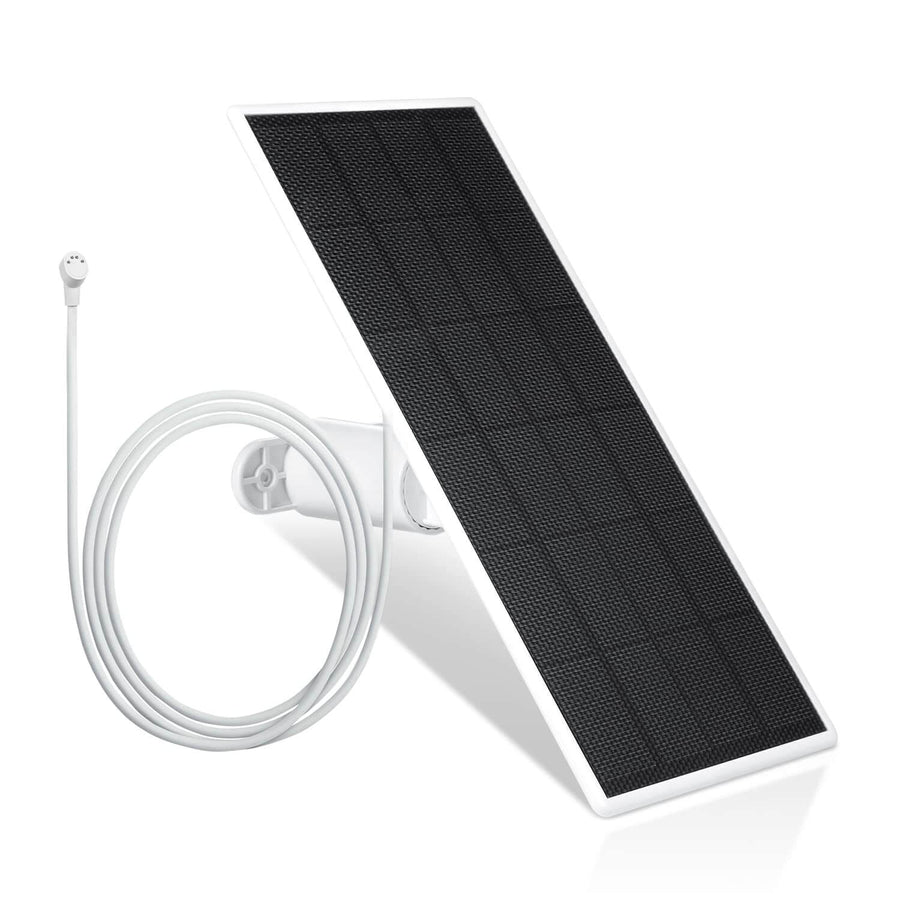
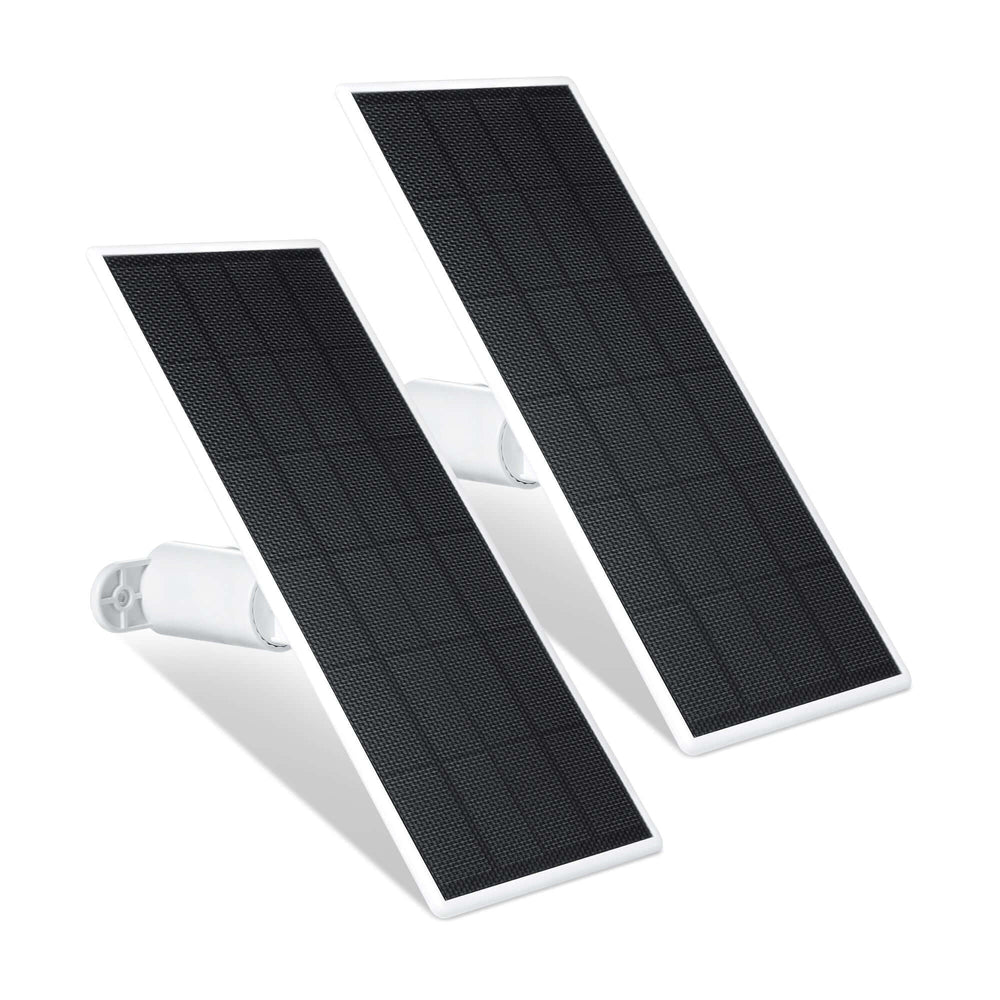
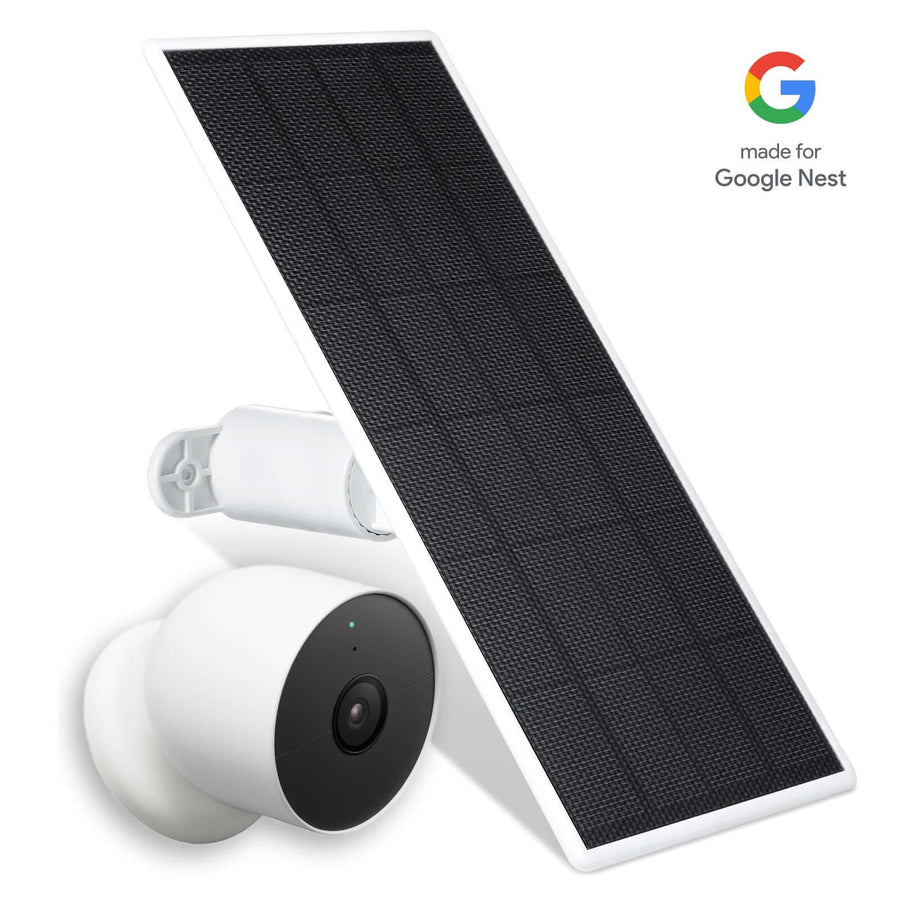
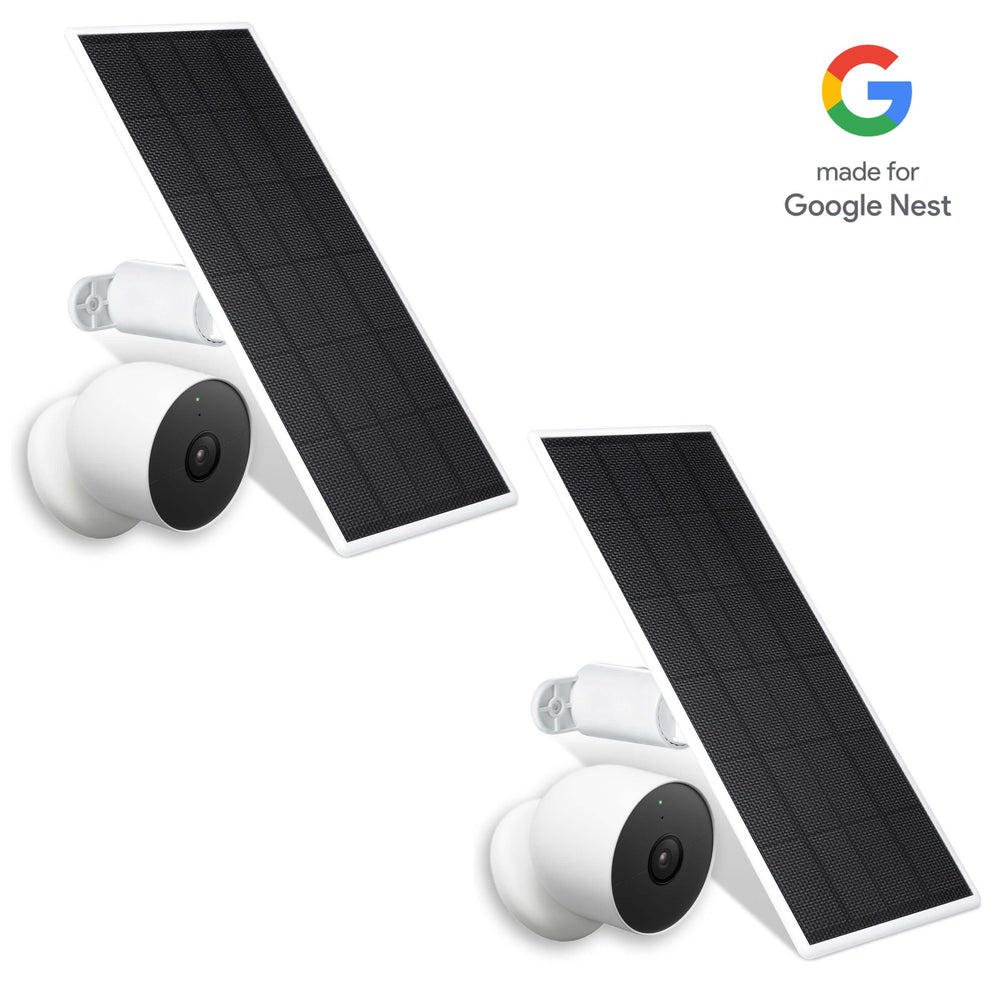
Wasserstein gutter mounts are built from high-grade, rugged material designed to hold cameras securely while remaining easy to install. Features include:
-
No-drill clamp-on installation
-
360-degree swivel and wide tilt adjustment
-
Rust-resistant construction
-
Easy relocation without damaging siding
-
Ideal for solar panels and lightweight security cams
Wasserstein Wall Mount

Wasserstein wall mounts are designed for durability and precision. Key features include: For questions or assistance with your products, please contact us.
-
Strong base for stable mounting
-
360-degree swivel and adjustable tilt
-
Compatibility with multiple camera brands
-
Suitable for indoor and outdoor use
-
Designed to support long-term installations
How to Choose the Right Mount for Your Security Camera
Choose a gutter mount if you:
-
Prefer a non-permanent installation, allowing you to remove or reposition the camera without leaving marks.
-
Want to avoid drilling holes in walls or siding, preserving your property’s finish.
-
Use lightweight or solar-powered cameras, which won’t stress the mount or gutter structure.
-
Need flexibility to move or adjust the camera, such as for seasonal monitoring or temporary setups. For tips on how to hide security camera wires outside, refer to this step-by-step guide.
Choose a wall mount if you:
-
Want maximum stability and security, keeping cameras firmly in place even in wind or rain.
-
Plan a long-term installation where the camera stays in the same location.
-
Use wired cameras or floodlight models that are heavier and require strong support.
-
Need precise placement for optimal coverage and blind spot reduction.
Installation Tips and Best Practices
-
Check the mounting surface before installation. Ensure it’s strong enough to support your camera’s weight.
-
Test camera placement first. Move the camera around to find the best field of view before securing it permanently.
-
Adjust angles to avoid glare from streetlights, windows, or sunlight, which can affect image quality.
-
Ensure the mount holds firmly after installation. Give it a gentle shake to confirm stability.
-
Periodically inspect mounts for signs of wear, loosening, or rust, especially for outdoor installations.
Final Thoughts
Choosing between a gutter mount vs wall mount for security cameras comes down to how permanent you want your installation to be. Gutter mounts offer flexibility, speed, and convenience. Wall mounts deliver stability, durability, and professional-grade security.
By understanding your house, climate, camera model, and security goals, you can choose a mount that doesn’t just hold your camera, but helps it perform at its best.
Frequently Asked Questions
Which is better: gutter mount vs wall mount?
Neither is universally better. Gutter mounts are ideal for temporary, no-drill setups, while wall mounts offer better stability and long-term reliability.
Can gutter mounts damage my house?
When installed correctly, gutter mounts do not damage siding or gutters. However, they should be checked periodically.
Do wall mounts require a junction box?
Wired cameras benefit from junction boxes, especially for outdoor installations, to protect wiring and power connections.
How high should I install my security camera?
Most cameras perform best when installed 8–10 feet high, depending on the field of view and coverage area.
Are there other mounting options?
Yes. Other options include pole mounts, magnetic mounts, adhesive mounts, and specialty brackets, each suited for specific scenarios.
Leave a comment