

Wired vs Battery Security Camera: A Complete Guide to Power, Performance, and Reliability
Quick Summary:
-
Power & Reliability: Wired cameras provide constant power for uninterrupted recording and higher video quality; battery cameras offer flexible placement but need regular charging.
-
Installation & Maintenance: Battery cameras are easier to install, while wired systems require more setup but minimal upkeep afterward.
-
Outdoor Performance: Wired cameras handle extreme weather consistently; battery cameras may lose runtime in cold unless supplemented with solar panels.
-
Backup During Outages: Wired cameras need a UPS to stay online, whereas battery cameras can continue operating if Wi-Fi is available.
-
Storage & Setup Options: Wired systems often allow local storage (DVR/NVR/microSD); wireless cameras usually rely on cloud subscriptions; hybrid setups combine the best of both.
Choosing between a wired vs battery security camera setup is one of the most important decisions you’ll make when building a reliable home security or business security system. While many buyers focus on resolution, night vision, or smart alerts, the real foundation of effective security cameras is power. How your cameras are powered directly affects reliability, video quality, maintenance, and whether your system can truly deliver continuous surveillance.
In today’s world of smart devices, homeowners and businesses can choose from wired security cameras, battery-powered cameras, wireless security cameras, PoE cameras, and hybrid systems enhanced by solar panels and battery backup. Each option serves specific needs, locations, and installation preferences.
Understanding the Main Types of Security Cameras
Before comparing wired and battery-powered options, it’s essential to understand the main types of security cameras available today and how they connect to power and networks.
Wired Security Cameras

Wired security cameras receive power through wired power connections, such as AC power from electrical outlets, Power over Ethernet (PoE), or low-voltage wiring connected to a central system. These cameras are physically connected using cables and wires, which makes them highly reliable once installed.
Wired cameras are commonly used in:
-
Larger properties
-
Businesses
-
Permanent home security setups
-
Multi-camera systems that require continuous recording
Because they have constant power, wired security cameras support advanced features such as continuous recording, higher-resolution video, local storage, and reliable two-way audio.
Battery-Powered and Wireless Security Cameras

The Google Nest Cam Battery. Image courtesy of Google Nest.
Battery-powered cameras rely on internal batteries for power, making them completely wireless from a power standpoint. Most battery-operated cameras connect to Wi-Fi for data, placing them under the broader category of wireless security cameras or wireless cameras.
Wireless security cameras are popular for:
-
Easy installation
-
Temporary setups
-
Renters
-
Locations without easy access to electrical outlets
Battery power allows flexible placement, but battery life and power management become ongoing considerations.
Power Supply Options for Security Cameras
The power supply is the backbone of any security setup. Different power options affect performance, reliability, and long-term maintenance.
AC Power and Electrical Outlets
Many wired cameras use AC power by plugging directly into power outlets or electrical outlets inside or outside the home. This provides a stable and reliable power supply that enables:
-
Constant power
-
Continuous surveillance
-
Continuous recording
AC-powered cameras are ideal for locations with easy access to power outlets and for users who want minimal maintenance.
Wired Power and Running Cables
Some wired systems require users to run cables through walls, ceilings, or exterior surfaces. While this increases installation complexity, it also creates a more secure and tamper-resistant system.
Once installed, wired power eliminates the need to worry about battery replacements or charging schedules.
Power Over Ethernet (PoE)

Power over Ethernet (PoE) is one of the most reliable power solutions available. PoE cameras use a single Ethernet cable to deliver both power and data, reducing the number of cables needed. DC power is used for both battery-operated cameras and PoE systems, which combine power and data in a single cable. The compatibility of DC power with PoE systems ensures seamless integration, making installation easier and providing greater operational flexibility.
PoE cameras are favored for:
-
Wired security systems
-
Businesses
-
Larger properties
-
Users who want a reliable connection without Wi-Fi interference
PoE systems offer excellent reliability, improved security, and consistent video performance.
Battery Power and Batteries
Battery-powered cameras run on rechargeable or replaceable batteries. Battery life depends on:
-
Video resolution
-
Motion detection frequency
-
Wi-Fi signal strength
-
Weather conditions
All of these factors can affect your Arlo camera's battery life.
While battery power enables easy setup and flexible placement, batteries must be monitored to avoid downtime.
Solar Panels and Supplemental Power

Solar panels extend battery life by continuously recharging battery-operated cameras. They are especially useful for outdoor security camera installations where power outlets are unavailable.
Solar panels help:
-
Reduce maintenance
-
Extend battery life
-
Support continuous surveillance in sunny locations
Wired vs Battery Security Camera: Core Differences
Understanding the practical differences between wired and battery security camera systems helps you choose the best option for your specific needs.
Reliability and Continuous Surveillance
Wired cameras excel in reliability. With constant power, they provide continuous surveillance and uninterrupted video footage. Battery-powered cameras, on the other hand, rely on available battery power and may stop recording if batteries run low.
Backup power solutions such as uninterruptible power supplies (UPS) for wired cameras or internal batteries for wireless cameras play a crucial role in ensuring continuous surveillance during power outages.
For users who want to ensure continuous surveillance, wired systems are the clear winner.
Performance and Video Quality
Wired security cameras support:
-
Higher video resolutions
-
Higher frame rates
-
Continuous recording
-
Better low-light performance
Battery-powered cameras often limit recording length and video quality to conserve battery life. While still effective, they prioritize efficiency over raw performance.
Installation and Setup
Wireless cameras are known for easy installation and easy setup. Many can be installed in minutes without drilling, wires, or cables.
Wired cameras require more planning. Running wires, mounting devices, and connecting to power outlets increases installation time, but also increases long-term reliability.
Maintenance and Ongoing Costs
Wired systems require minimal maintenance once installed. Battery-powered cameras require ongoing attention to batteries, charging, or solar panel placement.
Over time, wired options often prove more cost-effective for permanent security systems.
Outdoor Security Camera Considerations
An outdoor security camera faces unique challenges, including weather exposure, limited power access, and variable lighting conditions.
Wired Outdoor Security Cameras
Wired outdoor cameras offer:
-
Reliable power in all weather
-
Continuous recording
-
Stable performance in cold or hot climates
They are ideal for users who want dependable outdoor security with minimal maintenance.
Battery-Powered Outdoor Security Cameras
Battery-powered outdoor cameras are easier to install but may struggle in extreme temperatures. Cold weather can reduce battery life, while shaded locations can limit solar panel effectiveness.
Choosing the right location is critical to maintaining reliable outdoor security.
Power Outages and Backup Solutions
Power outages are a major concern for home security and business security.
Wired Systems and Power Outages
During power outages, wired cameras connected to AC power will stop working unless paired with an uninterruptible power supply (UPS). A UPS provides battery backup power, allowing wired systems to continue operating temporarily.
Battery Backup for Wireless Systems
Battery-powered cameras naturally continue working during power outages, as long as Wi-Fi remains available. This makes battery-operated cameras attractive in areas prone to outages.
Hybrid systems that combine wired power with battery backup offer the best of both worlds.
Storage Options: Cloud vs Local Storage
How footage is stored affects accessibility, reliability, and security.
Cloud Storage
Many wireless security cameras rely on cloud storage. Cloud storage allows users to access footage from anywhere in the world, but often requires a subscription.
Local Storage
Wired security cameras often support local storage using a DVR, NVR, or microSD card. Local storage provides:
-
Greater privacy
-
No monthly fees
-
Reliable access even without the internet
Some systems combine local storage with cloud backups for added redundancy.
Wired Security System vs Wireless Systems for Different Needs
-
Home Security: For homeowners seeking permanent protection, wired systems offer unmatched reliability and performance. Wireless security cameras work well for renters or those who need flexible placement.
-
Businesses and Larger Properties: Businesses benefit from wired security cameras, PoE cameras, and wired security systems due to their scalability, reliability, and support for continuous recording.
-
Temporary Setups: Temporary setups, such as construction sites or short-term rentals, benefit from battery-powered cameras and wireless systems due to easy installation and portability.
Connectivity: Wi-Fi vs Ethernet
Wi-Fi Connected Cameras
Wireless cameras rely on Wi-Fi for connectivity. Performance depends on signal strength, distance, and network congestion.
Ethernet and Wired Connections
Ethernet-connected cameras offer a more reliable connection with less interference. This makes them ideal for users who prioritize stability and security.
Security, Privacy, and Reliability
Wired systems are generally more secure because they are less vulnerable to wireless interference. Battery-powered cameras rely heavily on Wi-Fi security, making strong passwords and network protection essential.
For users who worry about hacking or lost footage, wired options provide greater peace of mind.
Choosing the Right Camera for Your Location and Specific Needs
When deciding between wired vs battery security camera options, consider:
-
Location and power access
-
Installation preferences
-
Desired video quality
-
Maintenance tolerance
-
Budget and long-term costs
There is no one-size-fits-all solution. The best security setup is the one that fits your environment, lifestyle, and security goals.
Creating a Balanced Security Setup
Many modern security systems combine wired cameras, battery-powered cameras, solar panels, and battery backup to create flexible yet reliable systems. Hybrid setups allow users to protect every corner of their property without compromise.
How Wasserstein Accessories Optimize Wired and Battery Security Cameras
Choosing between a wired vs battery security camera is only part of building a reliable security setup. The accessories you use play a major role in power stability, placement flexibility, and long-term reliability. This is where Wasserstein accessories directly enhance both wired systems and battery-powered cameras.
Below are key Wasserstein solutions and exactly how they solve common power and installation challenges for security cameras.
Powering Battery Cameras With Wired Reliability: Wasserstein PoE Adapter for Google Nest Cam (Battery)

For users who want the flexibility of a battery-operated camera but the reliability of a wired security system, the Wasserstein PoE Adapter for Google Nest Cam (Battery) offers a powerful hybrid solution. Learn more about how to power outdoor security cameras.
This accessory allows compatible Nest battery cameras to receive continuous power through an Ethernet cable using power over Ethernet (PoE). While Wi‑Fi is still used for data transmission, the camera no longer depends on battery life for operation.
Key benefits:
-
Provides continuous power without battery replacements
-
Uses a single Ethernet cable for power delivery
-
Ideal for users with existing Ethernet infrastructure
-
Weather‑resistant design for indoor and outdoor security camera use
-
Maintains a reliable connection and ensures continuous surveillance
This solution is especially valuable for users upgrading wireless cameras to more stable wired systems without replacing the camera itself.
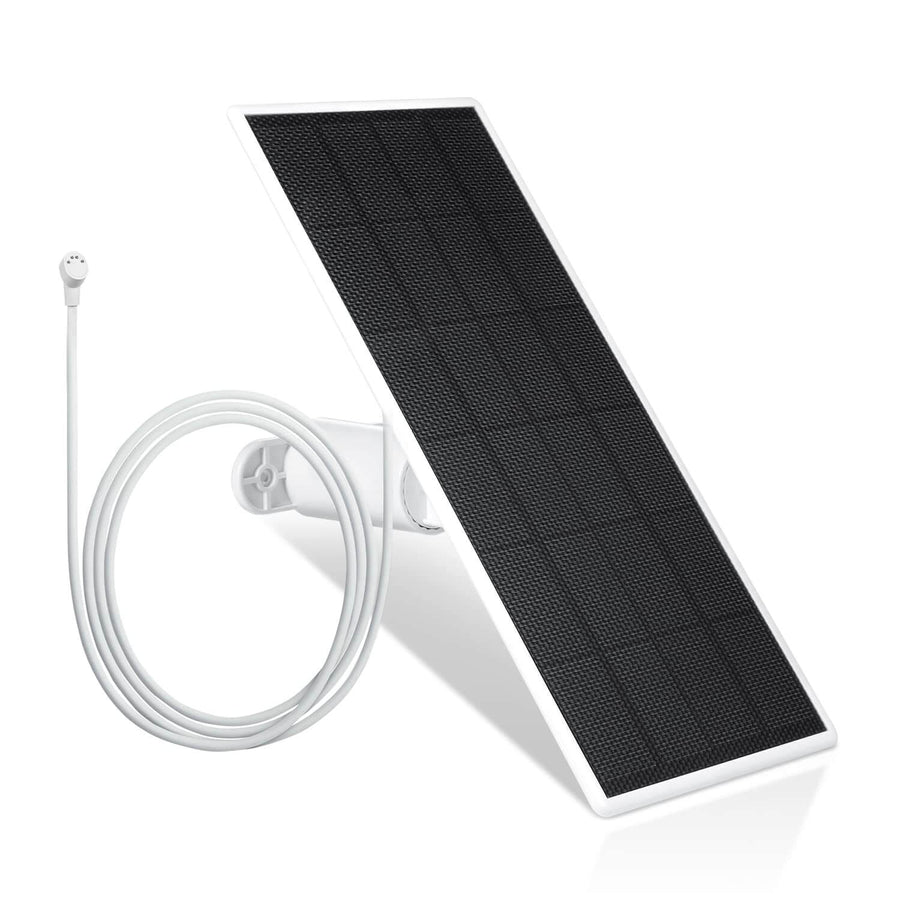
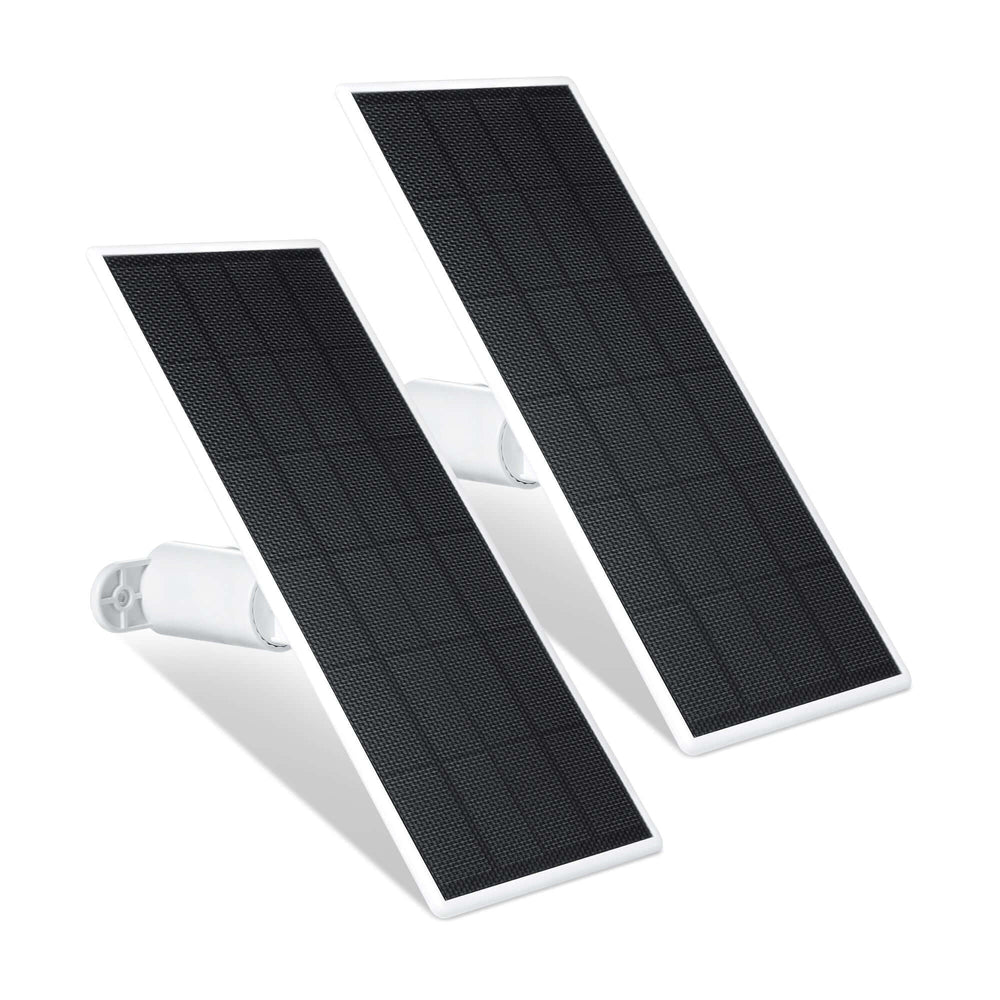
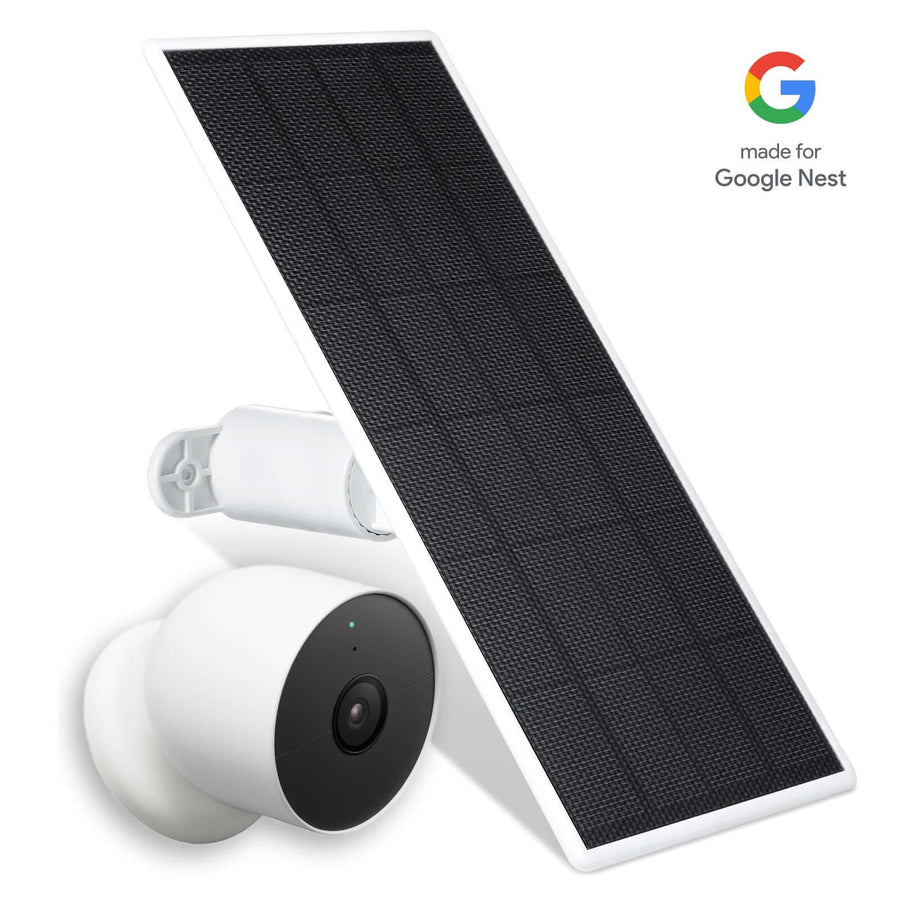
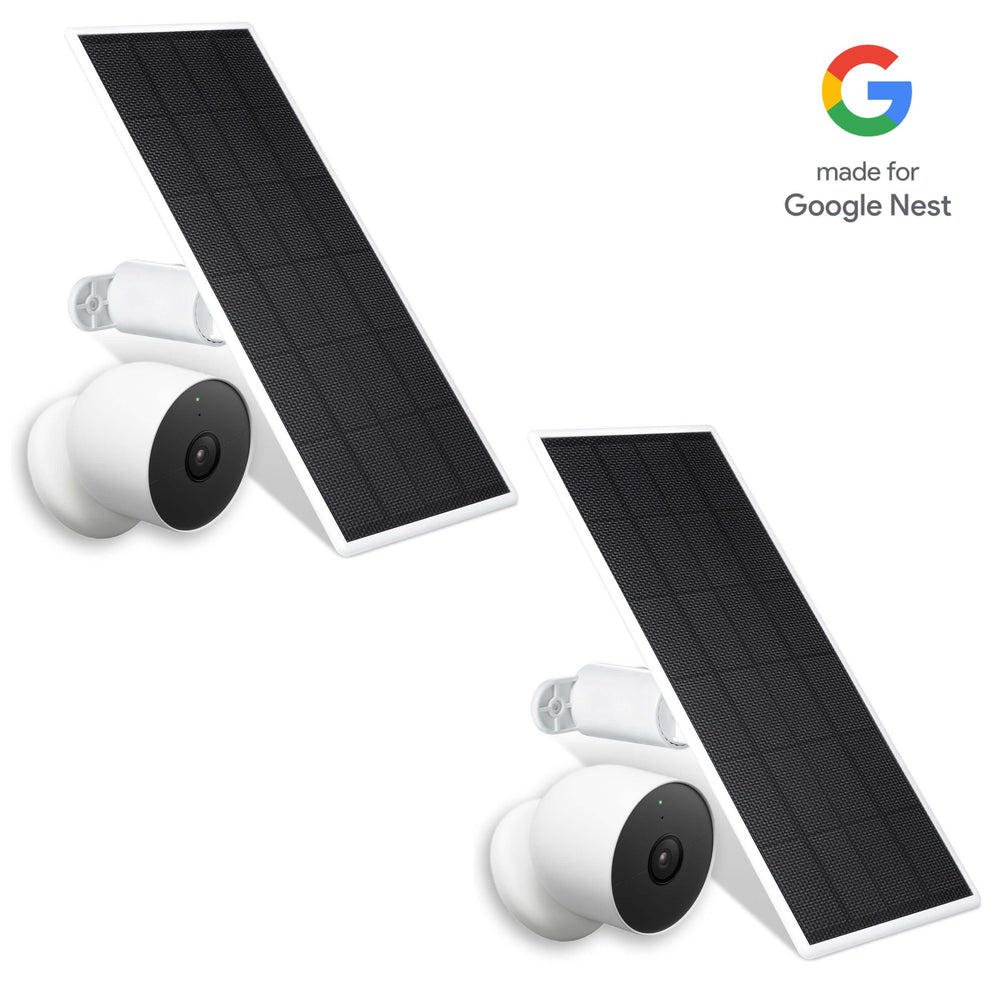
Extending Battery Life Outdoors: Wasserstein Solar Panels for Wireless Security Cameras
Outdoor security cameras often face the biggest battery challenges. Limited sunlight, frequent motion alerts, and cold weather can drain batteries quickly. Wasserstein solar panels are designed to solve this problem by providing ongoing battery power for wireless security cameras.
These solar panels pair perfectly with battery-powered cameras and wireless security systems, reducing downtime and maintenance.
Why Wasserstein solar panels stand out:
-
High‑efficiency solar cells capture energy even in low‑light conditions.
-
13.1‑foot cable allows flexible placement for maximum sunlight exposure
-
360‑degree rotatable mount for optimal positioning
-
Helps ensure continuous surveillance without frequent battery changes
For outdoor security setups where running cables or accessing power outlets isn’t practical, solar panels transform completely wireless cameras into low‑maintenance, always‑ready devices.
Continuous Power Without Replacing Cameras: Wasserstein Pogo Pin Cable & Adapter (26 ft)

Another effective solution for battery-powered cameras is the Wasserstein Pogo Pin Cable & Adapter for Google Nest Cam (Battery). This accessory delivers continuous power from standard electrical outlets while preserving the camera’s battery‑camera form factor.
With a 26‑foot cable, this option supports flexible camera placement while eliminating battery worries.
Key advantages:
-
Supplies constant power at 5.2V / 2A
-
Magnetic pogo‑pin connection blocks moisture and stays secure.
-
Built‑in safety protections against overheating and overcharging
-
Easy setup using standard AC power and power outlets
This is an ideal solution for users who want wired power without committing to a full wired security system or PoE installation.
Improving Night Visibility and Power Stability: Wasserstein Floodlights
Power is not just about keeping cameras running—it also affects video quality. Wasserstein floodlights enhance outdoor security by improving visibility while simultaneously keeping cameras powered.
These floodlights are designed to enhance your security and support smart cameras like Nest, Wyze, Arlo, and more:
-
Enhance night video clarity in low‑light conditions.
-
Support continuous power for compatible battery cameras.
-
Reduce reliance on batteries and battery backup systems.
-
Provide adjustable mounting for precise camera coverage
By improving illumination, floodlights help cameras capture clearer footage, support advanced features like two‑way audio and motion detection, and reduce false alerts.
Smarter Placement With Wasserstein Mounts: Gutter and Wall Mounts
Power reliability is only effective if cameras are positioned correctly. Wasserstein mounting solutions help optimize camera placement for both wired and wireless cameras.
Gutter mounts:

-
Allow cameras to be installed high for wider viewing angles.
-
Help avoid tampering and vandalism.
-
Ideal for battery-powered and solar‑powered outdoor security cameras
Wall mounts:
-
Support 360‑degree swivel and 90‑degree tilt.
-
Provide sturdy, fixed placement for wired cameras.
-
Compatible with a wide range of wired and wireless security cameras
Proper placement improves coverage, reduces blind spots, and ensures easy access for maintenance when needed.
Choosing the Right Wasserstein Accessories for Your Security Setup
Whether you choose wired options, battery-operated cameras, or a hybrid approach, Wasserstein accessories help bridge the gap between flexibility and reliability.
-
Use PoE adapters to convert battery cameras into wired systems.
-
Add solar panels to extend battery life in outdoor security setups.
-
Choose Pogo Pin Power Cables for simple AC power solutions.
-
Enhance visibility and power stability with floodlights.
-
Optimize camera placement using gutter and wall mounts
-
Explore high-quality accessories for your Blink Indoor Camera from Wasserstein.
By pairing the right accessories with your security cameras, you can create a system that delivers continuous recording, reliable power, and peace of mind without unnecessary complexity.
Frequently Asked Questions (FAQ)
Should I choose wired or battery-powered security cameras?
Choose wired cameras for continuous recording, higher reliability, and minimal maintenance. Battery-powered cameras are best for flexible placement, renters, or locations without power outlets. Your choice depends on power access, installation preference, and whether you need 24/7 surveillance.
What are the main power supply options for security cameras?
Security cameras use AC power, Power over Ethernet (PoE), batteries, or solar panels. Wired power and PoE offer constant power and stable performance, while batteries and solar panels provide flexibility but require ongoing power management.
Does constant power improve security camera performance?
Yes. Constant power enables continuous recording, higher video quality, stable connections, and full access to advanced features. Battery-powered cameras often limit performance to conserve energy, especially during frequent motion events.
Which security cameras work best for outdoor use?
Wired outdoor cameras provide reliable performance in all weather and support continuous recording. Battery-powered outdoor cameras are easier to install but may experience reduced battery life in cold temperatures or low-sunlight locations unless paired with solar panels.
Are wired security cameras more reliable than wireless cameras?
Yes. Wired cameras offer stable power, consistent connectivity, and reduced interference. They are less dependent on Wi-Fi conditions and are generally more secure, making them ideal for permanent home and business security systems.
Is installing wired security cameras more difficult?
Wired cameras require running cables and careful placement, making installation more complex. However, PoE systems simplify setup by using a single cable for power and data, improving long-term reliability once installed.
Do wired and battery cameras support the same features?
Both support smart features, but wired cameras perform better with continuous recording, higher resolution, and always-on two-way audio. Battery-powered cameras often limit recording length and feature usage to extend battery life.
Leave a comment