

Understanding the Difference Between Trail Camera and Security Camera
People often compare trail cameras and security cameras when deciding how to protect their homes. Both devices can record footage, detect motion, and monitor property, but they serve different purposes and offer different capabilities. Understanding the difference between trail cameras and security camera options is essential for choosing the right camera for your needs.
Trail cameras were originally designed for wildlife monitoring, tracking animals, and capturing photos in remote locations. Over time, homeowners discovered that these cameras can also be suitable for home security, especially in rural areas where Wi Fi may be limited. Security cameras, on the other hand, were built specifically for surveillance and home protection.
This guide explains the key differences between trail cameras, home security camera options, and security cameras, explores their advantages and limitations, and helps you make an informed decision for your home security system.
What is a Trail Camera
Trail cameras are designed to track animals and capture images or videos when motion is detected. They rely on PIR sensors that respond to temperature changes and detect motion from warm-bodied objects. The detection range of trail cameras determines how far away motion can be detected, which is important for effective monitoring. This makes trail cameras effective for monitoring wildlife as well as identifying suspicious activity around your property.

These cameras are battery-powered and operate using AA batteries. They work well in remote locations because they do not require power outlets or Wi Fi. Trail cameras use SD cards to store pictures and videos and typically activate only when motion is detected. Many game cameras include low-glow or no-glow infrared LEDs to capture clear footage in low-light conditions or complete darkness without revealing their presence.
Trail cameras are rugged and weatherproof, built to withstand outdoor use. Their camouflage design helps them blend into trees, fences, or barns. Remote access is limited unless the model is a cellular trail camera that transmits data using mobile networks.
What is a Security Camera
Security cameras are engineered specifically for home security and continuous surveillance. These cameras can stream live video, provide real-time monitoring, and send real-time alerts to the homeowner. They are designed for both indoor and outdoor use and often connect via Wi-Fi or Ethernet.

Image courtesy of Ring
Most modern professional security cameras offer two-way audio, allowing communication with visitors or intruders. They feature high-resolution sensors capable of capturing clear footage during the day and night. Security cameras may offer color night vision, infrared LEDs, and use IR illumination to enhance night visibility and detection capabilities. Additional features include AI detection for people or vehicles, and options to store videos using cloud services or a network video recorder.
They generally have wider fields of view than trail cameras and support multiple cameras within a single security system. This makes them more practical for full property surveillance.
Trail Camera vs. Security Camera: Key Differences
This section highlights the main differences between trail cameras and security cameras. Understanding these points helps homeowners identify which device is better suited for specific security purposes.
Monitoring Style
Trail cameras capture images or videos only when they detect motion. Security cameras can monitor continuously or provide event-based live monitoring depending on user settings.
Power Source

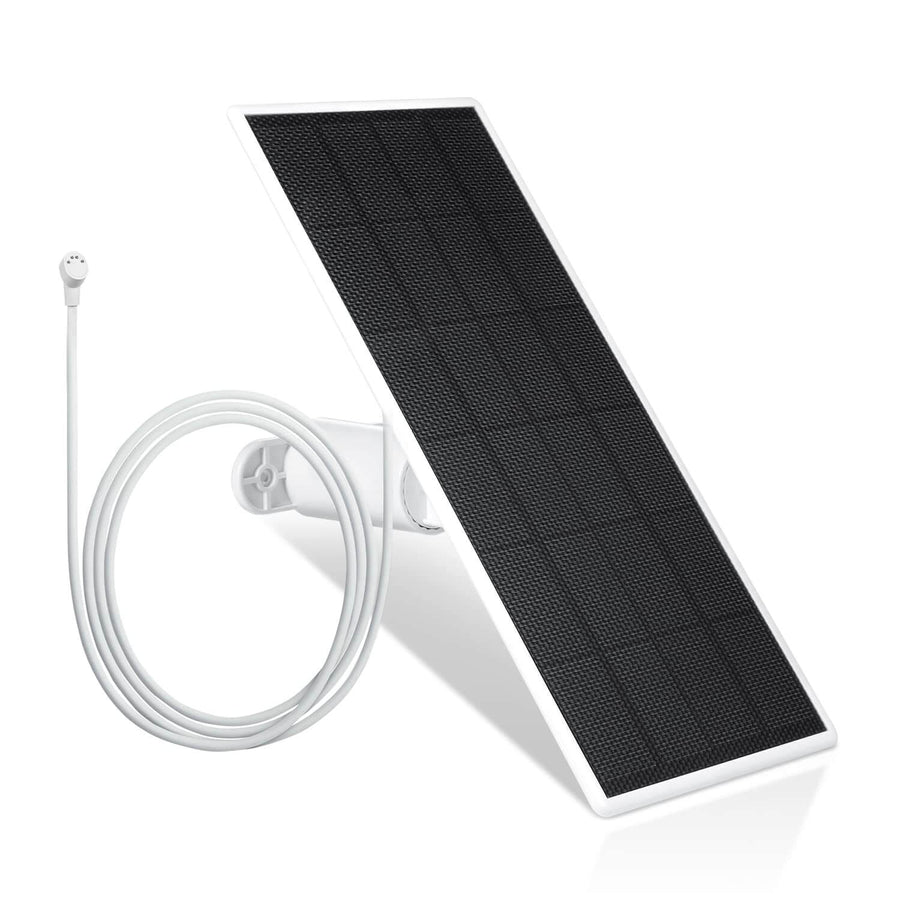
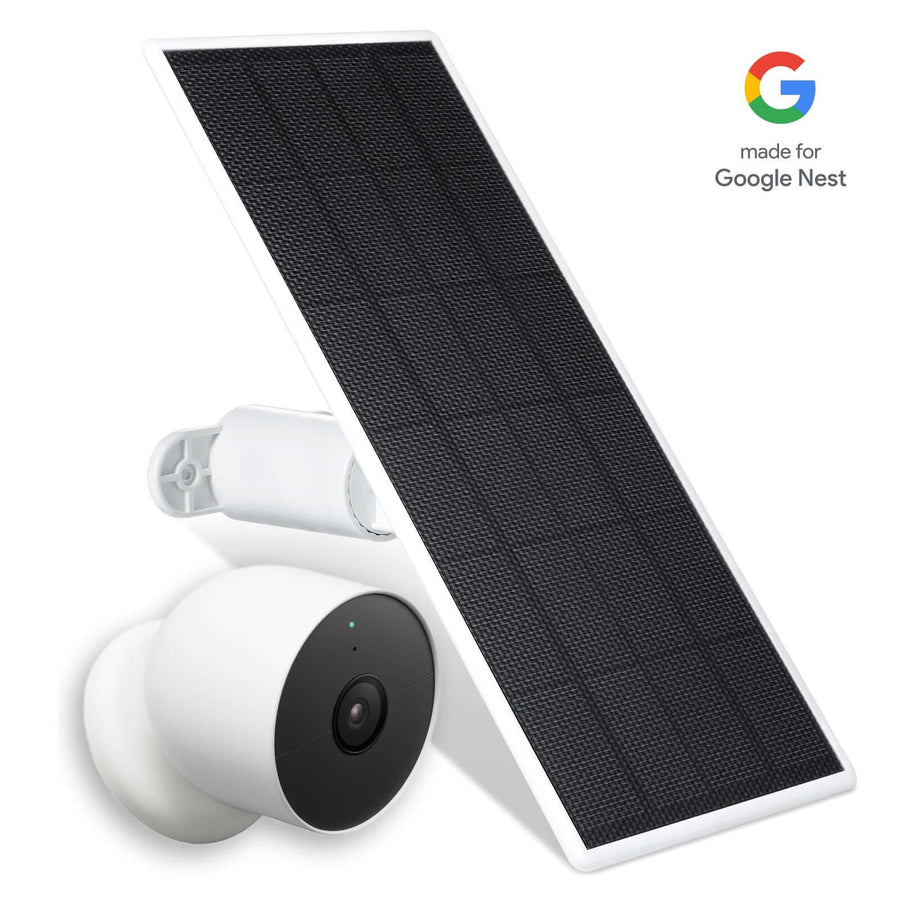
The Wasserstein Solar with a Nest Cam
Trail cameras and wireless security cameras both rely on AA batteries or rechargeable packs. Solar panels can extend battery life. Some security cameras use wired power, PoE, or plug-in adapters, but another way to extend their short battery life is to hook them up to a solar panel.
Connectivity
Trail cameras store footage on SD cards or use cellular networks. Security cameras rely on Wi-Fi, PoE, cloud storage, and network video recorder systems.
Field of View

The Wasserstein 2-in-1 Gutter Mount for Solar Panels and Cameras
Trail cameras usually have a narrow field of view of 40 to 60 degrees. Security cameras may have wide-angle lenses, dual lens designs, or PTZ features offering 180 degrees or more. Some cameras may benefit from specially-designed mounts such as gutter mounts, which allow them to be mounted high enough for an improved field of view.
Night Vision

Trail cameras use IR flash optimized for animals and wildlife. Security cameras use IR LEDs, floodlight illumination, or color night vision for improved clarity. Floodlights may help improve your home security camera's visibility at night, beaming up to 2000 lumens of motion-triggered light.
Stealth vs Deterrence

Trail cameras are discreet and camouflaged, making them harder to detect. Trail cams are often used for wildlife monitoring and stealth surveillance, allowing you to observe animals or pests without disturbing their natural behavior. Security cameras are typically visible and act as a deterrent to intruders. However, with security cameras becoming more compact, hiding them in discreet locations is easier than before. Camera cases such as the Wasserstein Bird Feeder Camera Case double as a camouflage for your cameras. Not only can you do birdwatching via your mobile phone, but you can also watch intruders without them knowing.
Trail Cameras: Pros & Cons
Pros:
-
Perfect for remote or rural areas with no Wi-Fi or power outlets.
-
A practical option for homeowners needing surveillance in locations without access to power or Wi-Fi.
-
Battery-powered and SD card–based; easy to set up.
-
Motion-activated to save battery life and storage.
-
Camouflage design keeps them stealthy.
-
Rugged and weather-resistant—rain, snow, wind, and temperature changes won’t stop them.
-
Budget-friendly for basic monitoring needs.
Cons:
-
Only record when motion is detected—no continuous surveillance.
-
Narrow field of view; may miss activity.
-
Limited app control and remote access on non-cellular models.
-
No two-way audio for communication.
-
Video quality is lower than professional security cameras.
-
Requires manual SD card retrieval unless cellular-enabled.
-
Frequent triggers can drain batteries quickly.
Security Cameras: Pros & Cons
Pros:
-
For many homeowners, making home security a top priority means choosing security cameras with advanced features.
-
Continuous surveillance—watch your property anytime.
-
Real-time alerts, remote monitoring, and app control via Wi-Fi.
-
High-definition video for clear footage.
-
Can integrate multiple cameras for wide coverage.
-
Advanced features: AI motion detection, improved night vision, and two-way audio.
-
Suitable for indoor and outdoor installation.
-
Integrates easily with smart home devices.
Cons:
-
Typically requires power and Wi-Fi.
-
Installation can be more complex than trail cameras.
-
Higher cost, depending on features and brand.
-
More visible—less stealthy than trail cameras.
When Trail Cameras Are the Better Choice
Security trail cameras are the better choice for certain real-world scenarios. These cameras excel when monitoring remote gates, barns, agricultural land, forests, cabins, or long driveways. They are reliable even when Wi Fi, power, or phone signals are weak.
Trail cameras work well when you need discreet surveillance. Their camouflage housing helps them blend into outdoor environments, making them harder for intruders to spot. Temporary setups, such as construction sites or seasonal monitoring projects, also benefit from trail cameras.
When Security Cameras Are the Better Choice
Security cameras are the better option for homeowners who want strong deterrence, fast alerts, and detailed real-time monitoring. These cameras work best in suburban and urban neighborhoods where Wi Fi access is stable.
Security cameras are ideal for front doors, driveways, garages, and backyards. Continuous recording helps avoid missing important footage. Homes that need multiple surveillance cameras benefit from systems that support a network video recorder, but it's important to understand how long security cameras keep footage based on the system type and storage options.
Using Trail Cameras + Security Cameras Together
Combining trail cameras and security cameras provides comprehensive home surveillance. A hybrid system allows homeowners to use each camera type where it performs best.
Security cameras cover entrances, patios, and indoor areas. Trail cameras monitor forested areas, large backyards, and outer perimeters. This approach increases visibility and reduces blind spots.
Cellular Trail Cameras Explained
Cellular trail cameras enhance remote access by sending pictures and videos through cellular networks. These devices work well in remote locations without Wi-Fi. They can provide near-real-time alerts when motion is detected.
However, cellular trail cameras may have limited resolution, slower upload speeds, and require monthly data plans. Even with these drawbacks, they remain a valuable option for large properties and remote surveillance.
How to Install Trail Cameras for Home Security
Installing trail cameras correctly ensures better performance. Homeowners should mount cameras at least five feet high and angle them downward for clearer pictures. Placing them near natural pathways or chokepoints increases the chance of capturing motion.
Visibility decisions matter. Some homeowners prefer hiding their trail cameras, while others place them in plain sight. Adjusting sensitivity levels helps reduce false triggers.
How to Install Security Cameras for Maximum Coverage

Installing security cameras properly ensures consistent coverage across your property. Homeowners should place cameras at key access points, such as front doors, garages, and backyards. Weatherproofing is important for outdoor installations.
Ensuring stable Wi-Fi or using PoE connections helps prevent interruptions in remote access. Pairing cameras with floodlights increases visibility at night and strengthens deterrence.
Cost Comparison: Trail Cameras vs Security Cameras
Trail cameras typically have lower upfront costs and do not require subscriptions unless using cellular features. Security cameras may have higher costs due to cloud storage, installation, and multiple cameras in a system.
However, security cameras often offer more value through advanced features and continuous monitoring. Accessory costs and power consumption vary, but solar panels can reduce long-term expenses.
Final Verdict
Choosing between trail cameras and security cameras depends on your home security needs. Trail cameras are designed for remote outdoor use and work well in rural areas. They offer easy installation and straightforward recording. Security cameras are preferred for detailed surveillance, real-time monitoring, and advanced features.
A combination of both provides the strongest protection. Accessories like Wasserstein solar panels, mounts, and floodlights improve reliability, extend battery life, and enhance visibility for any setup.
FAQs
What is the difference between a trail camera and a security camera?
Trail cameras trigger only when they detect motion, while security cameras support real-time monitoring and continuous recording.
Can you use a trail cam for home security?
Yes. Trail cameras are suitable for home security in remote locations or areas without Wi-Fi.
Which offers better night vision?
Security cameras with floodlights or color night vision generally offer better clarity.
Do trail cameras require Wi-Fi?
No. They store footage on SD cards or use cellular networks.
Are trail cameras easier to hide?
Yes. Their camouflage design makes them discreet. However, specialized cases like the Wasserstein Bird Feeder Camera Case can effectively disguise security cameras.
Are security cameras better for real-time monitoring?
Yes. They provide live video and instant alerts.
Which is more cost-effective?
Trail cameras usually cost less upfront, but security cameras offer more features.
What is the best setup for rural properties?
A combination of trail cameras and security cameras provides the best coverage.
Leave a comment