

Top Benefits of Security Cameras for Safety & Protection
Quick summary
-
Security cameras deter crime, with studies linking visible systems to lower burglary and property crime rates.
-
Modern features like motion detection, night vision, AI analytics, and remote access enable prevention and fast response.
-
Recorded footage supports law enforcement, insurance claims, and legal protection.
-
Real-time alerts and mobile monitoring improve situational awareness at homes, schools, and businesses.
-
With proper installation and added accessories, cameras strengthen layered security while balancing privacy.
With rising property crime and increasing concerns about personal safety, security cameras have become an essential part of modern protection strategies. Homeowners, business operators, school administrators, and property owners are all investing in security camera systems to create safer environments. The demand for visible deterrence continues to grow as people seek ways to prevent crime before it happens.
A main benefit of modern security cameras is their ability to enhance safety and prevent crime. These devices are no longer passive recording tools. They combine motion sensors, night vision capabilities, advanced analytics, and remote connectivity to provide both preventive and reactive protection. Whether it is a home security camera system monitoring a front door or large-scale video surveillance covering parking lots and entry points, these systems now serve as a powerful deterrent while also providing valuable evidence.
Home security systems provide more than peace of mind. Resources that compare the best outdoor home security cameras can help you choose devices that deter crime, identify potential threats, support legal proceedings, and help security personnel respond quickly to suspicious activities.
Crime Deterrence: The Psychological Power of Visibility

One of the main benefits of security cameras is their ability to deter crime through visibility. Research shows that approximately 60 percent of burglars avoid properties equipped with visible surveillance systems. In 2025, an estimated 60% of burglars avoid properties with visible surveillance systems due to psychological deterrence. Around 53 percent report being discouraged from attempting a break-in when they notice cameras. In monitored neighborhoods, crime reductions between 38 and 50 percent have been documented.
The mere presence of visible cameras, such as CCTV cameras, alters criminal behavior, while strategic use of camouflaged outdoor security cameras can capture evidence without drawing attention. CCTV cameras are widely used in both public and private spaces to deter crime and catch criminals by increasing the risk of identification and apprehension. Potential criminals are less likely to target a property when they know their actions will be recorded. Criminal activity often depends on anonymity. Security cameras remove that advantage.
Why Visible Cameras Work
Security cameras deter crime because they:
-
Increase the perceived risk of getting caught.
-
Reduce anonymity for potential intruders.
-
Create a secure environment that signals active monitoring.
-
Discourage repeat criminal behavior
Placing outdoor security cameras at entry points, driveways, and parking lots maximizes deterrence. Guidance on the best spots for security camera placement can help further improve coverage and effectiveness. Elevation and stability further strengthen this effect.
To reinforce visibility and prevent tampering, Wasserstein Anti-Theft Mounts protect cameras from removal or interference. Keeping cameras secure maintains constant surveillance and preserves their role as a powerful deterrent.

For higher positioning and wider viewing angles, a Wasserstein Gutter Mount allows cameras to be placed above reach. This placement reduces vandalism risk while expanding coverage. Elevating cameras not only prevents tampering but also improves comprehensive coverage across larger areas.
When installing security cameras strategically, property owners significantly reduce opportunities for criminal behavior.
Evidence Collection & Legal Protection
Even when crime is not prevented, security cameras provide critical support through evidence collection and by providing evidence that can be vital in investigations. Video surveillance systems record activities continuously, preserving recorded footage that can be used in investigations and legal proceedings.
For businesses, video evidence protects against fraudulent claims, potentially saving thousands in legal costs.
High-resolution cameras capture clear images of faces, license plates, and other important details. High-definition (4K+) footage provides indisputable visual proof useful in legal disputes.
Cloud-based security camera systems enable users to access live video feeds anytime and share them with local law enforcement during emergencies, while thoughtful security camera footage retention policies ensure recordings are available when needed.
How Security Cameras Provide Legal Support
Security cameras provide valuable evidence that can:
-
Help identify perpetrators
-
Support law enforcement investigations.
-
Strengthen insurance claims
-
Protect businesses against false claims.
-
Document suspicious activities clearly

Image courtesy of CNET
High-resolution cameras, including 4K systems, capture detailed footage that reduces dispute ambiguity. License plate recognition adds another layer of identification, particularly in parking lots and gated properties.
For businesses, surveillance cameras protect against fraudulent slip and fall claims and workplace disputes. Recorded footage provides objective documentation, which can save money and reduce liability exposure.
Evidence collection is one of the most practical and measurable benefits of security cameras.
Faster Emergency Response & Real-Time Monitoring
Modern security camera systems allow property owners and security personnel to monitor activities in real time. Remote viewing through mobile apps ensures that potential threats are addressed quickly.

Image courtesy of Ring
Real-Time Monitoring Benefits
-
Instant alerts triggered by motion sensors
-
Live video access from anywhere
-
Two-way audio communication
-
Continuous surveillance of sensitive areas
Allowing security personnel to oversee multiple cameras improves response time during incidents, including medical emergencies and security breaches.
Ensuring Continuous Power and Reliability
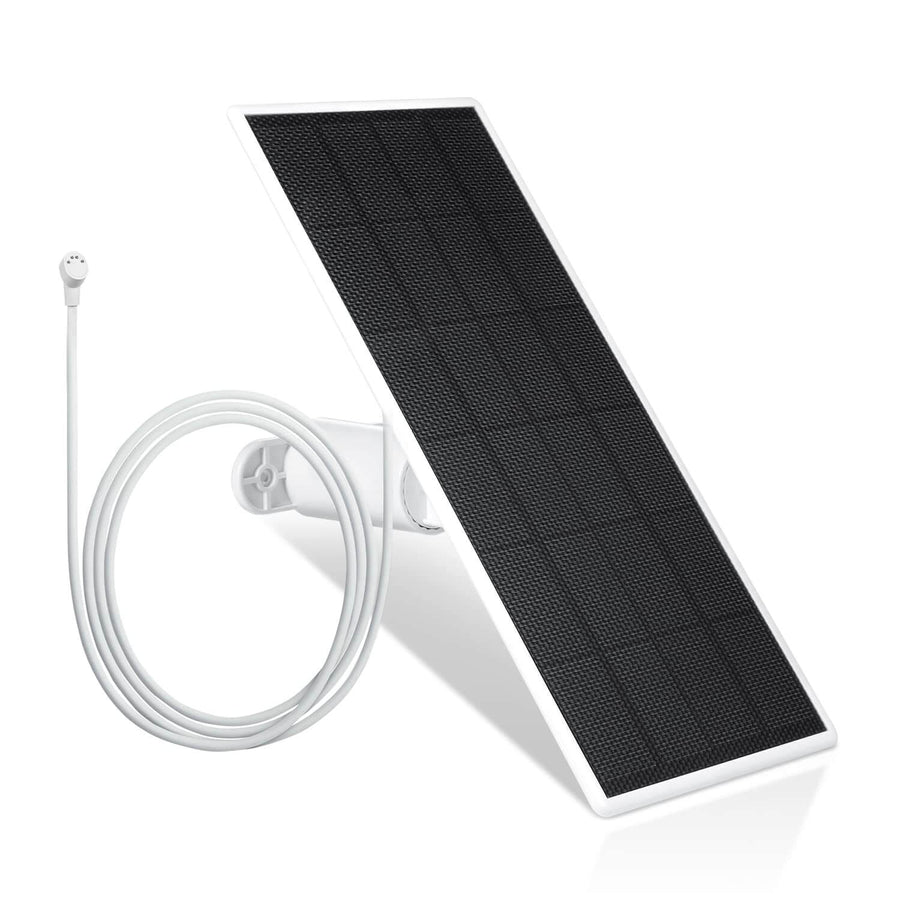
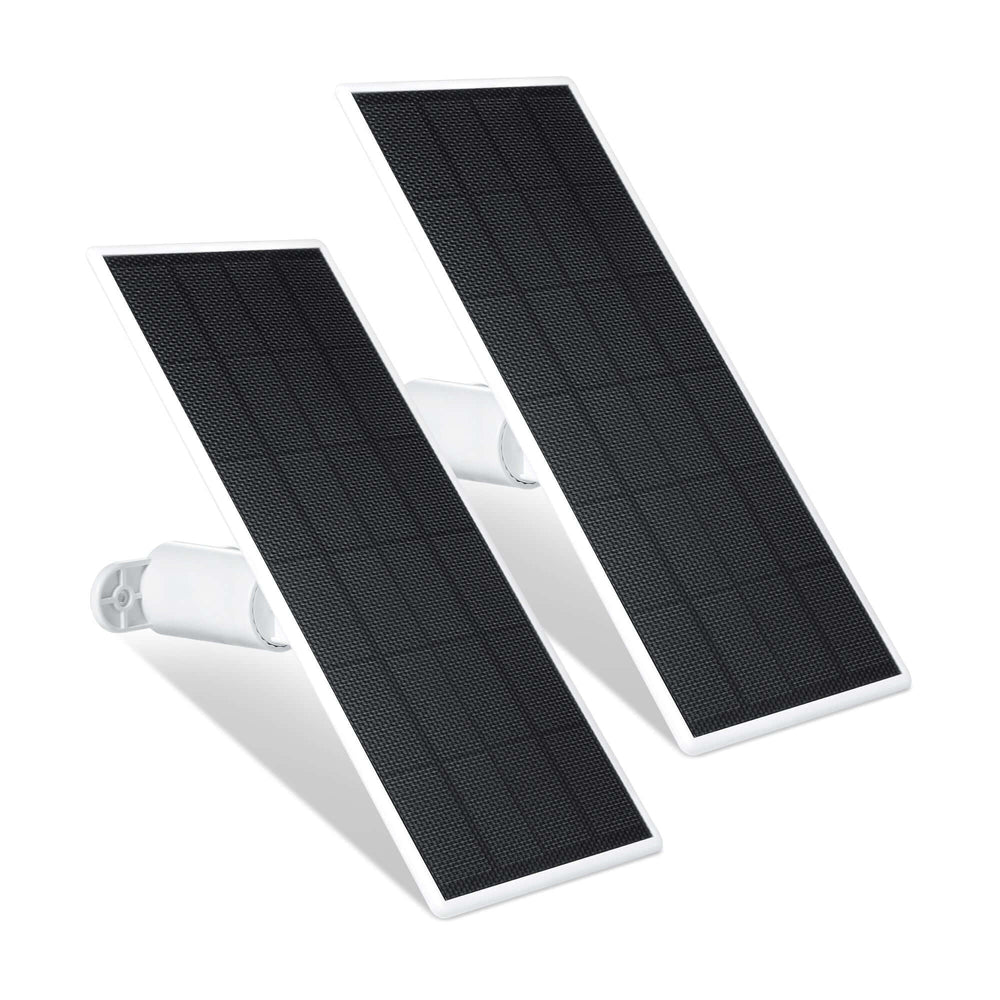
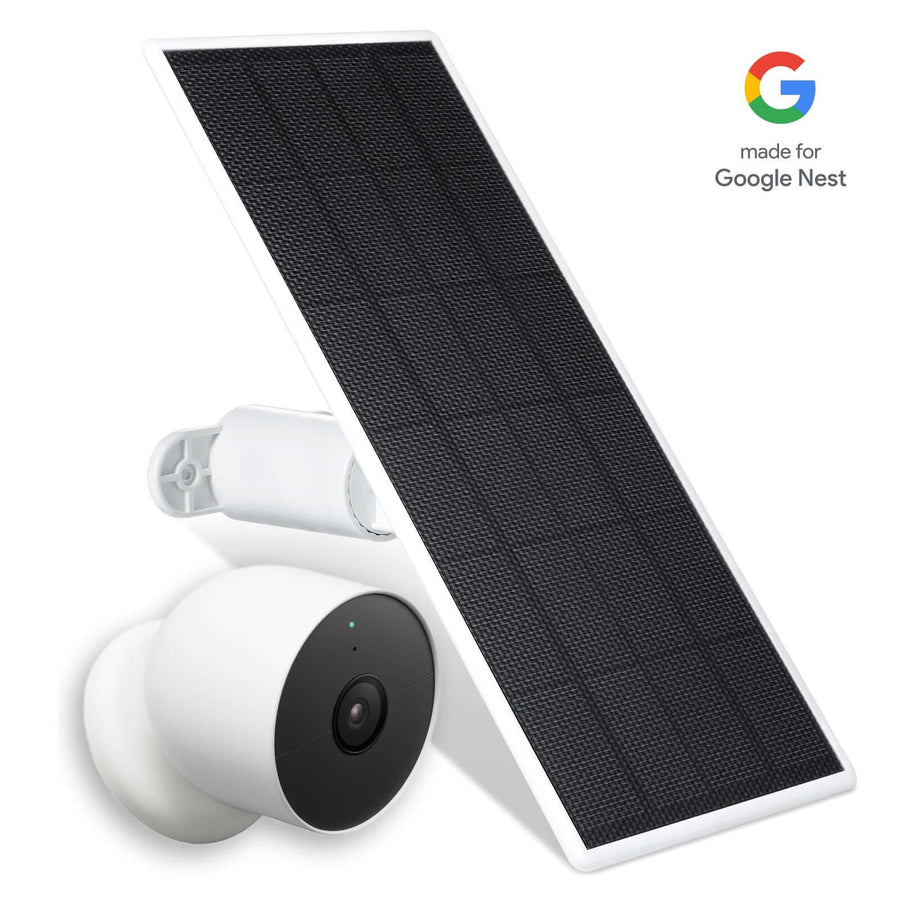
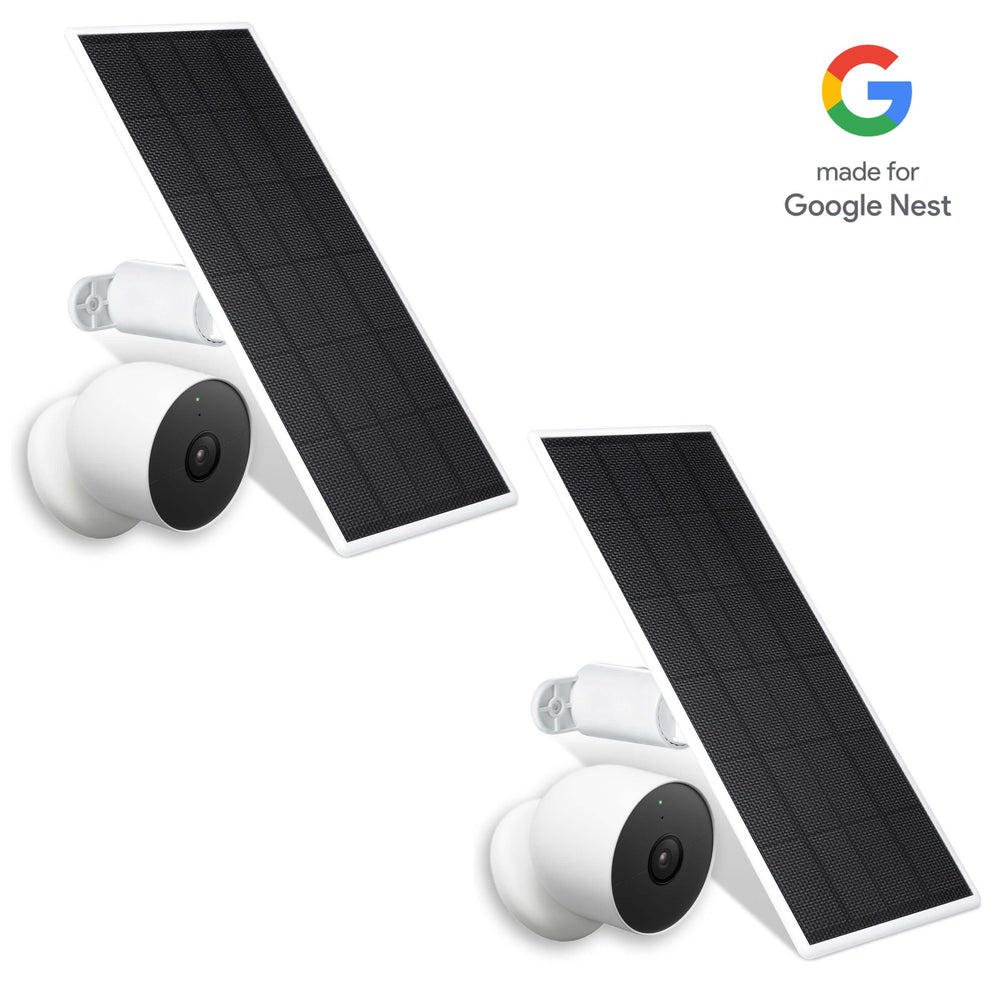
Camera uptime is critical. Without power, even the most advanced surveillance cameras cannot record activities. Integrating solar panels for your camera and doorbell or choosing a solar-powered security camera helps maintain continuous operation.

Wasserstein Solar Panels help prevent downtime by providing continuous charging. Key features include:
-
High-efficiency solar cells that capture energy even in minimal sunlight
-
13.1 ft cable for flexible placement
-
360-degree rotatable mount for maximum sunlight exposure
By maintaining reliable power, solar charging ensures uninterrupted surveillance and strengthens overall security, especially when paired with battery-operated outdoor security cameras.
Enhanced Safety at Home
Home security cameras support everyday life by protecting families and property. A video doorbell camera and a home security camera system provide visibility over front doors, driveways, and backyards.
Everyday Protection
-
Monitor children and elderly family members.
-
Observe package deliveries to reduce theft.
-
Identify suspicious activities
-
Use two-way audio to communicate with visitors
Ring cameras and other wireless cameras allow homeowners to access live feeds remotely. This flexibility enhances home security whether the homeowner is inside or away.
Improving Low-Light Security

Night vision security cameras provide clear images in darkness. However, supplemental lighting further improves identification and deters criminal activity, and pairing floodlights with a capable device like Wyze Cam Outdoor cam can significantly enhance nighttime monitoring.
Wasserstein Floodlights enhance visibility in low-light conditions while helping keep cameras continuously charged. Adjustable mounting ensures optimal viewing angles. By improving nighttime clarity, floodlights strengthen deterrence and increase recorded footage quality.
Enhanced lighting makes outdoor cameras more effective and reduces the likelihood of criminal activity after dark.
Public Surveillance Cameras: Impact & Debate
Surveillance cameras in public spaces contribute significantly to community safety. CCTV cameras are commonly used in public areas such as transportation hubs, shopping districts, and public parks to enhance safety and facilitate monitoring. Video surveillance in these locations helps deter crime and document incidents.
However, public surveillance cameras can create a complete picture of an individual's private life, raising concerns about privacy.
Public Safety Benefits
-
Reduced crime in monitored areas
-
Recorded footage for investigations
-
Increased public confidence
-
Visible deterrent effect
Research indicates crime reductions between 38 and 50 percent in areas with active surveillance systems. Approximately half of potential offenders abandon criminal plans when they detect cameras.
Balanced Considerations
Despite their effectiveness, public surveillance raises privacy concerns. Some critics question whether mere surveillance can fully prevent crime or whether it may contribute to overreach if improperly regulated. Similar privacy tensions can arise between neighbors, where learning how to address a neighbor’s security camera legally becomes important.
Balancing security with privacy requires transparency and adherence to local laws, as well as awareness of unauthorized monitoring and knowing how to detect hidden cameras when you suspect your privacy is being violated.
Security Cameras in Schools
Security cameras play a crucial role in protecting educational environments. Education statistics from national center research show that more than 91 percent of public schools use surveillance systems.

Impact on School Safety
-
Up to 70 percent reduction in bullying in previously unmonitored areas
-
Approximately 50 percent of potential perpetrators leave when they see cameras.
-
Improved monitoring of access points
Emergency Preparedness
Security camera systems in schools assist with:
-
Access control integration
-
Situational awareness during active threats
-
Coordinating response to medical emergencies
-
Identifying high-risk zones
Video surveillance helps administrators maintain safer campuses and respond effectively to potential threats.
Business & Retail Benefits Beyond Crime Prevention
Businesses gain several advantages from installing security cameras beyond basic theft prevention.
Operational Improvements
-
Heat mapping for store layout optimization
-
Foot traffic analysis
-
Workflow bottleneck identification
-
Staff scheduling adjustments
Security cameras provide documentation for internal investigations and help resolve disputes. Insurance providers may also offer discounts of 5 to 20 percent for properties equipped with security systems.
Technological Advancements in Modern Security Cameras
Modern smart security cameras integrate advanced analytics to improve detection accuracy. Bullet cameras, with their distinctive cylindrical shape and powerful zoom lenses, are ideal for long-range surveillance and are commonly used in outdoor environments such as parking lots or construction sites. Dome cameras offer a discreet surveillance option, blending seamlessly into environments where both aesthetics and security are important, like museums, hotels, and upscale retail stores, similar in intent to techniques used to hide a camera in residential settings.
PTZ (Pan-Tilt-Zoom) cameras can be controlled remotely to provide a comprehensive view of the surroundings, making them highly versatile for monitoring large areas. Specialty cameras are designed for extreme situations, such as operating in very high or low temperatures and explosion-proof environments, and some scenarios may even call for discreet solutions like hiding a camera in a wall for covert monitoring. Additionally, innovations such as license plate recognition are transforming security camera monitoring, enabling more precise and automated identification capabilities, reflecting a long evolution since security cameras were first invented.
Key Innovations
-
AI that distinguishes people, pets, and packages
-
License plate recognition
-
Pan-tilt-zoom functionality
-
Cloud-based storage
-
Motion-triggered smart lighting
-
Reduced false alarms
These features enhance surveillance accuracy while maintaining comprehensive coverage.
Pros and Cons of Security Cameras
Before installing security cameras, it is important to evaluate both the benefits and the limitations. While security camera systems offer powerful protection and operational insight, they also come with responsibilities and practical considerations.
Advantages
Security cameras provide several advantages that make them a valuable investment for homes and businesses.
-
Deter crime and discourage potential criminals: The visible presence of surveillance cameras acts as a powerful deterrent. Potential intruders are far less likely to attempt a break-in when they know their actions will be recorded. This reduction in criminal behavior is one of the most immediate and measurable benefits of security cameras.
-
Provide valuable evidence: Recorded footage supports evidence collection and legal proceedings. Whether dealing with theft, vandalism, or false claims, security cameras provide clear documentation that can help identify perpetrators and resolve disputes quickly.
-
Enable remote monitoring: Modern security cameras allow property owners and security personnel to access live feeds from anywhere. Wireless cameras connected to mobile apps make it possible to monitor entry points, parking lots, and sensitive areas in real time.
-
Improve operational efficiency: In business environments, video surveillance helps managers review workflows, monitor employee safety compliance, and analyze foot traffic. Advanced analytics can highlight inefficiencies and improve staffing decisions.
-
Enhance peace of mind: A home security camera system provides reassurance. Knowing that activities are being recorded and monitored reduces anxiety and strengthens overall home security.
Disadvantages
Despite their benefits, security cameras also present challenges that should be carefully considered, including installation aesthetics and tamper risks, which can be reduced if you properly hide security camera wires outside.
-
Privacy concerns: Surveillance cameras may raise privacy concerns, particularly in residential neighborhoods or shared spaces. Individuals may feel uncomfortable if monitoring appears intrusive.
-
Installation costs: Installing security cameras involves equipment expenses, mounting hardware, and sometimes professional installation fees. Larger surveillance systems require greater investment.
-
Maintenance requirements: Cameras require regular cleaning, software updates, and occasional hardware replacement. Outdoor security cameras are exposed to weather and may need periodic inspection.
-
Cybersecurity risks: Internet-connected cameras can be vulnerable to hacking if not properly secured. Strong passwords, encrypted networks, and firmware updates are essential for protection.
-
Potential false sense of security: Relying solely on cameras without additional security systems may create a false sense of safety. Cameras record activities, but they do not physically prevent crime.
Understanding both sides ensures informed decisions and encourages responsible implementation.
Legal & Ethical Considerations of Surveillance
Installing cameras requires compliance with local laws and respect for the reasonable expectation of privacy. Security must be balanced with ethical responsibility.
Laws governing surveillance vary by state and region. Property owners should familiarize themselves with applicable regulations before installing cameras.
Key Legal Principles
-
Avoid placing cameras in sensitive areas. Cameras should never be installed in bathrooms, private bedrooms, or other spaces where individuals have a reasonable expectation of privacy.
-
Follow state-level surveillance regulations. Some jurisdictions have specific laws regarding audio recording, public monitoring, and notification requirements. Compliance protects property owners from legal liability.
-
Maintain proper footage retention policies. Recorded footage should be stored securely and retained only as long as necessary. Clear policies reduce privacy risks and ensure responsible data management.
-
Control access to recorded footage. Access should be limited to authorized individuals such as designated security personnel or property managers. This prevents misuse and protects personal information.
Ethical use of surveillance systems means using cameras strictly for security purposes. Transparency with employees, residents, or visitors builds trust while maintaining a secure environment. Responsible management ensures that enhancing safety does not compromise individual rights.
How Proper Installation Maximizes Security Benefits

Even the most advanced security cameras will not perform effectively if improperly installed. Placement directly affects deterrence, coverage, and image quality.
Proper installation enhances both performance and reliability.
Installation Best Practices
-
Elevate cameras to reduce tampering. Mounting cameras out of easy reach minimizes vandalism and interference while improving the field of view.
-
Adjust angles to eliminate blind spots. Position cameras to cover entry points, parking lots, and high traffic areas without leaving gaps in coverage.
-
Position solar panels for consistent exposure. If using solar charging solutions, ensure panels receive sufficient sunlight to maintain uninterrupted power.
-
Secure mounts firmly. Stable mounting hardware prevents shifting, vibration, or damage during extreme weather conditions.
The Wasserstein Adjustable Security Wall Mount provides a 360-degree swivel and 90-degree tilt for flexible positioning indoors and outdoors. Its durable construction ensures long-term stability, helping maintain optimal camera angles over time.
Correct installation ensures comprehensive coverage, improves night vision performance, and strengthens overall security effectiveness, while ongoing maintenance and troubleshooting of issues like video loss in security cameras keep systems reliable.
Avoiding a False Sense of Security
Security cameras are highly effective tools, but they work best as part of layered security systems. Cameras provide visibility and documentation, yet they do not replace physical safeguards or human oversight.
To maximize protection, combine surveillance cameras with:
-
Alarm systems that trigger alerts during unauthorized entry
-
Access control solutions to restrict entry to authorized individuals
-
Smart locks for remote door management
-
Exterior lighting to deter suspicious activities at night
Security cameras record activities and deter crime, but physical barriers and trained security personnel provide additional protection. For budget-conscious users, choosing from the best security cameras without subscription can reduce ongoing costs while still supporting a layered security approach. A comprehensive approach strengthens defense against potential threats and reduces vulnerability.
By integrating cameras into a broader security strategy, property owners avoid a false sense of security and achieve more complete protection.
FAQs
Do security cameras really deter crime?
Yes. Studies consistently show that visible cameras reduce criminal behavior. Many burglars admit to avoiding properties with surveillance cameras because the risk of identification is too high. The mere presence of cameras acts as a powerful deterrent, especially at entry points, parking lots, and front doors.
Are wireless cameras as reliable as wired security camera systems?
Wireless cameras are highly reliable when connected to stable Wi-Fi networks and properly secured. They offer easier installation and flexible placement, especially when you follow a dedicated outdoor security camera installation guide. However, wired security camera systems may provide more consistent connectivity in large commercial properties where uninterrupted video surveillance is critical.
Can security cameras be used as evidence in court?
Yes. Recorded footage from security cameras is frequently used in legal proceedings. High-resolution video helps identify perpetrators, document suspicious activities, and support insurance claims. Proper storage and controlled access to footage are essential to maintain its legal validity.
What are the main privacy concerns with surveillance cameras?
Privacy concerns typically involve recording in areas where individuals have a reasonable expectation of privacy. Cameras should not be placed in sensitive areas such as bathrooms or private living spaces. Following local laws and implementing clear policies helps balance security with individual rights.
Are security cameras enough to fully protect a property?
Security cameras are highly effective, but they should not be the only layer of protection. While they deter crime and provide valuable evidence, combining them with alarm systems, access control, smart locks, and proper lighting creates a more comprehensive and secure environment.
Leave a comment