

Monocrystalline Solar Panel vs Polycrystalline: Which is Best for You?
Solar power has become one of the most reliable and environmentally friendly ways to keep modern devices running without relying entirely on the grid. From whole home energy systems to small smart devices, solar panels are now used in more applications than ever. One of the fastest-growing uses is powering security cameras, especially outdoor cameras that need to stay online day and night.
When comparing a monocrystalline solar panel vs polycrystalline option, many buyers feel overwhelmed by technical terms, efficiency ratings, and price differences. This is especially true when choosing solar charging panels for solar-powered security cameras, where space, reliability, and consistent power matter more than sheer size.
Introduction to Solar Panels and Solar Power
Solar panels are devices designed to capture sunlight and convert it into usable electricity. They rely on photovoltaic technology, which allows solar cells to generate power when exposed to sunlight. Over time, improvements in materials and manufacturing have made most solar panels more efficient, more affordable, and easier to install.
Solar power is especially attractive for security cameras because it provides a reliable energy source without running wires through walls or relying on nearby outlets. Solar-powered security cameras can operate for extended periods without manual recharging, making them ideal for outdoor use, remote properties, and areas where wired power sources are impractical.
When choosing a solar panel for a security system, efficiency, size, mounting hardware, and compatibility matter far more than raw wattage alone. That is why understanding the difference between monocrystalline and polycrystalline panels is so important.
What Are Solar Panels and How Do They Work?
Solar panels are made up of multiple solar cells that work together to produce electricity. These solar cells are typically made from silicon, a material that reacts to sunlight by releasing electrons. When solar cells are exposed to sunlight, they generate electricity that can either run devices directly or recharge a battery.

The electricity generated by solar panels is direct current electricity. For small devices like security cameras, this electricity can be used directly to charge batteries without needing complex conversion equipment. Solar charging panels for cameras are designed specifically to work with battery-powered devices, making them simple and efficient.
Generally speaking, the more efficient the solar cells, the more power a panel can produce per square foot. This matters greatly for security cameras because panels are often small and mounted in limited spaces.
Why Solar-Powered Security Cameras Are So Popular
Solar-powered security cameras have transformed home security by eliminating many traditional limitations. Instead of relying on wired electricity or frequent battery swaps, solar-powered security systems use sunlight to keep cameras charged automatically.

These cameras are particularly useful for outdoor cameras placed near entrances, driveways, fences, or detached buildings. They support features like motion detection, night recording, Wi-Fi connectivity, and cloud storage without being tethered to the grid.
Most battery cameras can run for many hours or even days on a full charge. With solar panels connected, batteries stay topped up during the day, ensuring cameras remain operational at night and during extended periods of activity.
Solar-powered security is also environmentally friendly. It reduces energy consumption from the grid and allows homeowners to protect their property using renewable energy.
Types of Solar Panels Used for Security Cameras
There are two main types of solar panels used in modern systems. These are monocrystalline solar panels and polycrystalline solar panels. While both rely on silicon solar cells, the way those cells are made creates meaningful differences in performance, efficiency, and price.
Understanding these differences helps you choose the right panel for your specific security setup.
Monocrystalline Solar Panels Explained
Monocrystalline solar panels are made using monocrystalline solar cells that come from a single silicon crystal. This manufacturing process allows electrons to move more freely, which improves efficiency and power output.

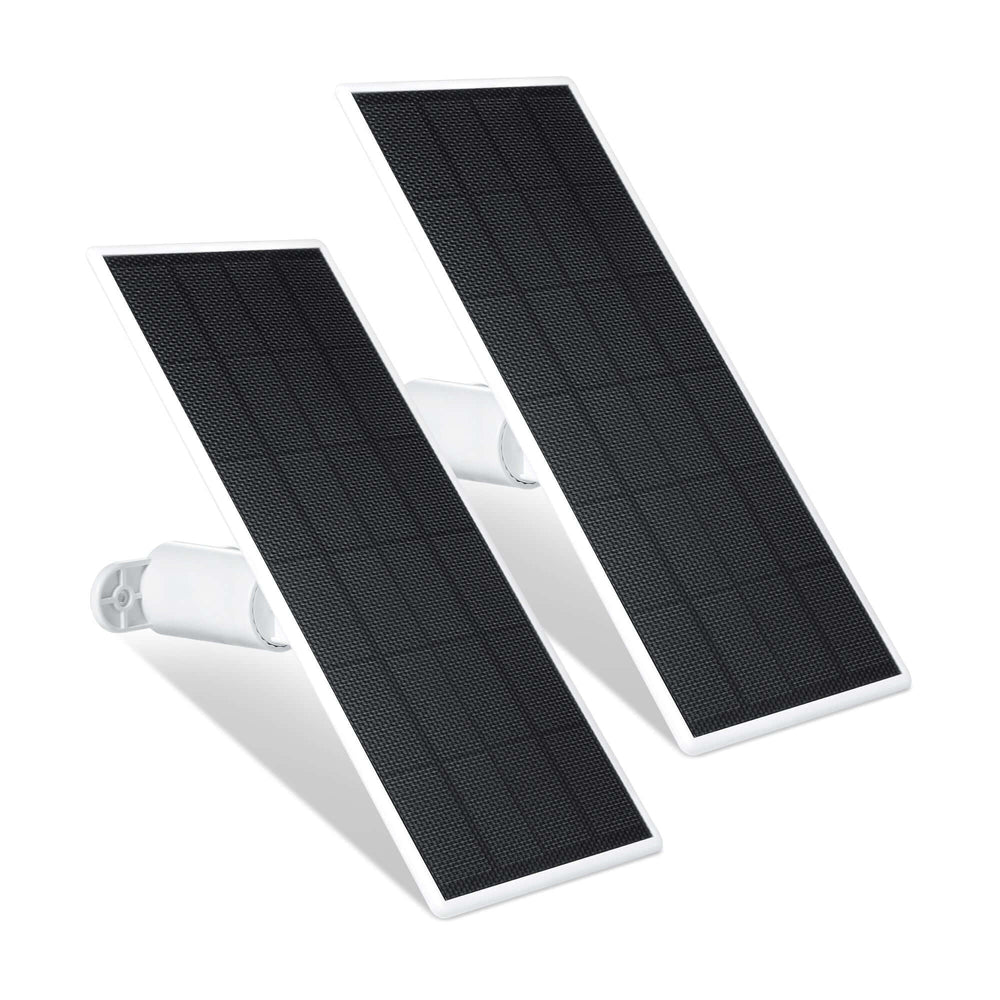
Monocrystalline panels are known for their black color and sleek appearance. They are often considered a premium option because they deliver higher efficiency in a smaller footprint. Monocrystalline solar panels tend to produce more power per square foot than other types, making them space-efficient and ideal for compact installations.
Because of their design, monocrystalline panels perform well in warm weather and maintain better output in high temperatures. Their lower temperature coefficient means they lose less efficiency as temperatures rise, which is important for outdoor cameras exposed to the sun and heat throughout the day.
Monocrystalline solar panels can reach some of the highest efficiency rates available today. This makes them particularly useful for keeping cameras charged even when sunlight is limited or inconsistent.
Polycrystalline Solar Panels Explained
Polycrystalline solar panels use polycrystalline solar cells made from multiple silicon fragments melted together. This manufacturing process is simpler and creates less waste, which helps lower the price.

Polycrystalline panels are usually blue in color and have a more textured appearance. They are widely used in larger installations where space is not a major concern. As an affordable option, polycrystalline panels appeal to buyers who want solar power at a lower upfront price.
However, polycrystalline panels are generally less efficient than monocrystalline panels. They require more surface area to produce the same amount of electricity. For security cameras, this can be a drawback because mounting space is often limited.
Polycrystalline panels also tend to perform slightly worse in high temperatures and low light conditions. While still reliable, they may struggle more on cloudy days or during shorter daylight hours.
Monocrystalline Solar Panel vs Polycrystalline for Security Cameras
When comparing a monocrystalline solar panel vs polycrystalline option for security cameras, efficiency and consistency matter most.
Security cameras rely on steady power to support motion detection, Wi Fi connectivity, night recording, and cloud storage. If a camera loses power too often, it can miss important events. For tips on how to power outdoor security cameras, visit this guide.
Monocrystalline panels are better suited for these demands because they generate more power in less space and maintain performance in heat and partial sunlight. Polycrystalline panels can still work, but they often need more surface area and ideal conditions to match the output.
Generally speaking, most solar panels designed specifically for security cameras use monocrystalline cells because of their high efficiency and compact size.
Efficiency and Power Output Differences
Efficiency refers to how much sunlight a solar panel can convert into electricity. Higher efficiency means more power from the same amount of sunlight.
Monocrystalline solar panels typically offer the highest efficiency rates among silicon-based panels. This allows them to produce more power per square foot and keep batteries fully charged more reliably.
Polycrystalline panels have lower efficiency ratings. While still capable of charging cameras, they may require longer exposure to direct sunlight to achieve the same results.
For battery cameras that rely on consistent charging, efficiency directly affects reliability.
Winner: Monocrystalline panels
Performance in Heat and Warm Weather
Temperature plays a major role in solar panel performance. As panels heat up, their efficiency can drop.
Monocrystalline panels have a better temperature coefficient, meaning they handle heat more effectively. This makes them a strong choice for outdoor cameras installed in warm weather climates.
Polycrystalline panels are more affected by high temperatures. Over time, this can result in slightly reduced performance, especially during summer months when security cameras may already be working harder.
Winner: Monocrystalline panels
Performance on Cloudy Days and Low Light Conditions
Solar-powered security cameras need to stay charged even when sunlight is not ideal. Cloudy days, shade, and short daylight hours can all impact performance.
Monocrystalline panels generate more power in low-light conditions, which helps keep cameras charged during overcast weather. This makes them more reliable for year-round use.
Polycrystalline panels can still charge batteries, but they may struggle more when sunlight is limited. This can lead to slower charging and reduced uptime.
Winner: Monocrystalline panels
Space Efficiency and Installation Considerations
Space efficiency is a key factor for security cameras. Panels are often mounted on walls, fences, or near the camera itself.
Monocrystalline panels are more space-efficient and require less mounting area. This makes them easier to install and position for maximum exposure to sunlight.
Polycrystalline panels require more surface area for the same power output, which can limit placement options.
Easy installation and flexible mounting hardware are especially important for homeowners installing solar panels themselves.
Winner: Monocrystalline panels
Cost and Price Expectations
Price is often the deciding factor for buyers choosing between monocrystalline and polycrystalline panels.
Monocrystalline solar panels are more expensive due to their manufacturing process and higher efficiency. However, they often provide better long-term value by delivering more reliable power.
Polycrystalline panels are an affordable option for buyers on a tighter budget. They cost less upfront but may require compromises in efficiency and placement.
Most solar panels designed for security cameras are priced under $100, with many falling between $50 and $80. At this price range, the efficiency benefits of monocrystalline panels often outweigh the modest cost difference.
Winner: Polycrystalline panels
Aesthetics and Lifespan of Solar Panels
When choosing a solar panel for your security cameras, aesthetics and lifespan are important factors that can influence both the look and long-term reliability of your home security system. Monocrystalline solar panels tend to stand out for their sleek, uniform black appearance, which many homeowners find blends seamlessly with modern exteriors and outdoor cameras. In contrast, polycrystalline solar panels have a distinctive blue hue and a more varied, crystalline texture, which can be more noticeable when mounted on your home or property.
Beyond looks, the lifespan of your solar panels is crucial for ensuring your solar powered security cameras remain operational year after year. Both monocrystalline and polycrystalline solar panels are built to last, with most panels offering a service life of 25 years or more. This makes them a reliable choice for outdoor cameras and home security systems that need to withstand the elements over extended periods.
Monocrystalline solar panels are especially valued for their ability to maintain high efficiency even as they age. Thanks to their robust construction, these panels are more resistant to high temperatures and can continue to produce more power in warm weather and direct sunlight. This makes them a great option for climates where outdoor cameras are exposed to heat and sun for much of the year. Their superior temperature coefficient also means they perform well in both hot and cold conditions, ensuring your security cameras stay powered and ready to capture all the details, no matter the season.
Space efficiency is another advantage of monocrystalline panels. Because they generate more energy per square foot, you can achieve the same level of solar-powered security with fewer panels—ideal for installations where mounting space is limited. This allows you to keep your cameras charged and your home protected without cluttering your exterior.
When evaluating solar panels for your security cameras, consider not just the aesthetics and expected lifespan, but also how the panel’s temperature coefficient, mounting hardware, and compatibility with features like cloud storage and motion detection will impact your overall system. By weighing all the details, you can select a solar-powered security camera setup that is both efficient and visually appealing, providing reliable energy and peace of mind for years to come.
Solar Charging Panels for Security Cameras
Solar charging panels designed for security cameras are optimized for small devices. They typically include mounting hardware, weather-resistant materials, and cables designed for outdoor use.

Many panels connect via micro USB or a USB-C port, making them compatible with a wide range of battery-powered cameras. This allows users to connect panels directly to cameras without complex wiring.
Solar charging panels are designed to trickle charge batteries throughout the day. This helps ensure batteries remain charged even when cameras are active at night or during periods of frequent motion detection.
Compatibility With Popular Security Camera Brands
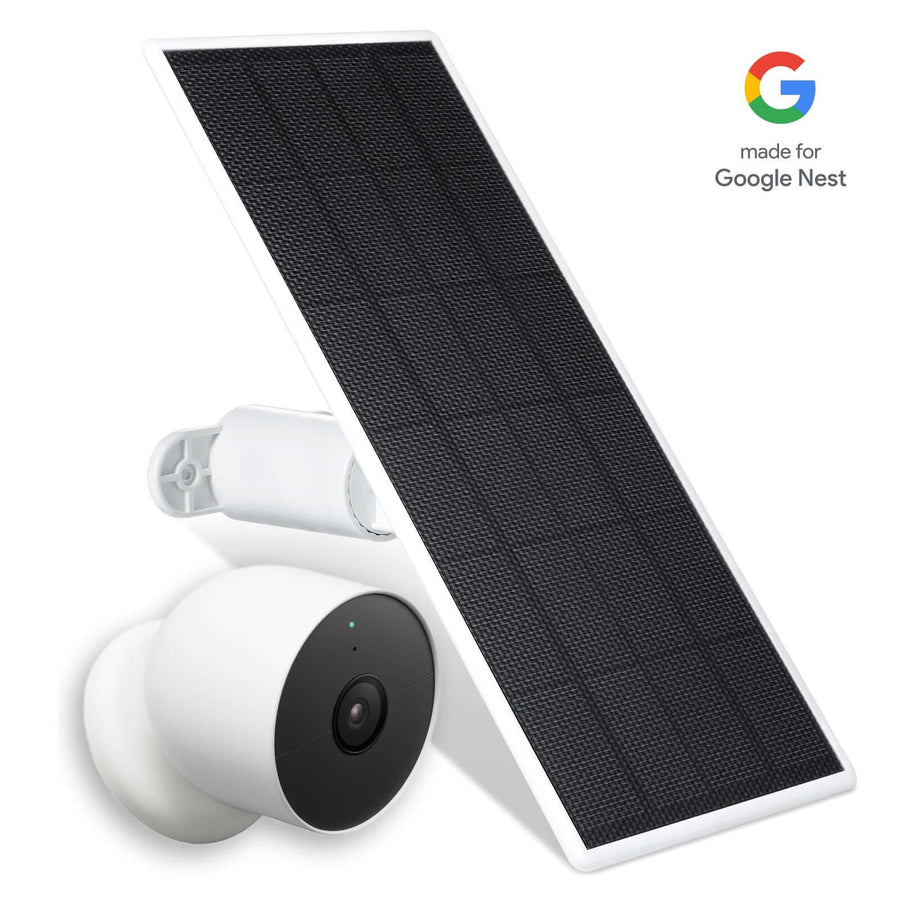
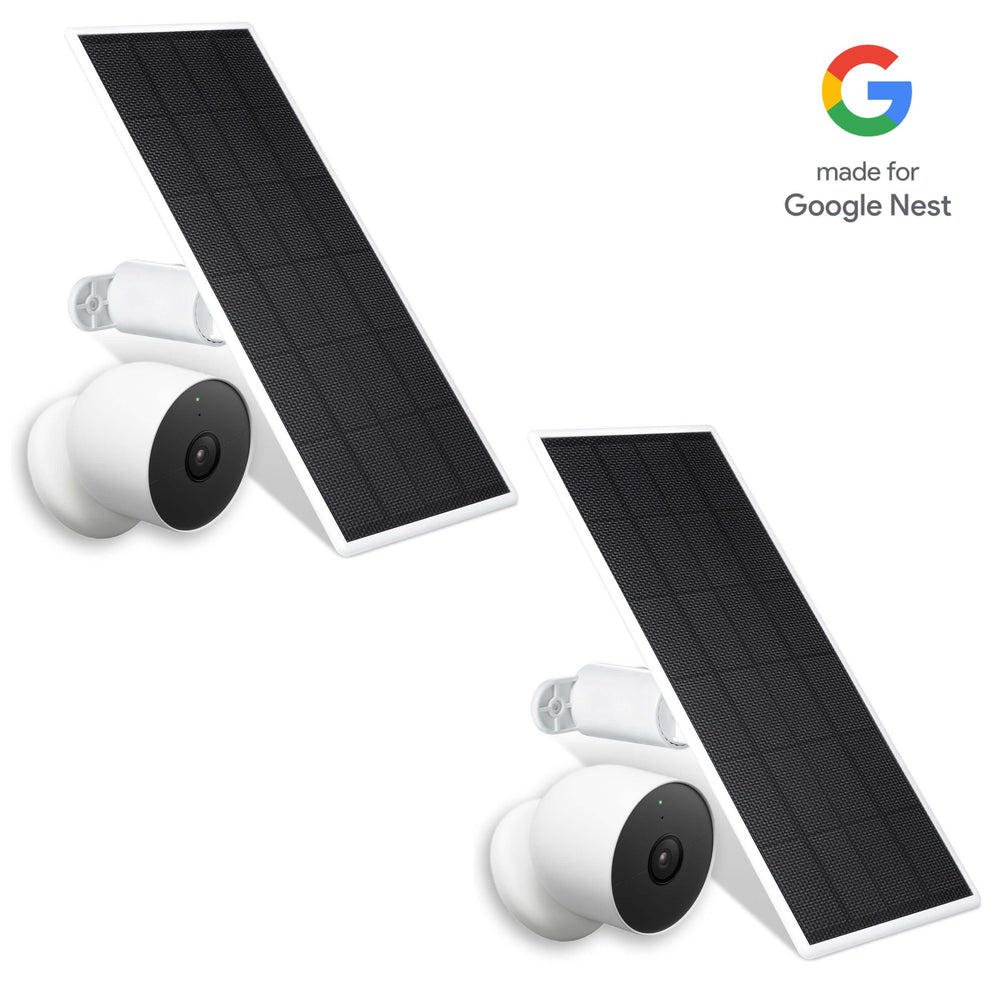
Most major security camera brands support solar charging panels. Cameras from Google Nest, including battery models, are designed to work seamlessly with dedicated solar panels.
Other popular cameras, such as spotlight cam models, also support solar power to extend battery life and reduce manual maintenance.
When choosing a panel, it is important to ensure compatibility with your camera’s power input and voltage requirements.
Why Wasserstein Solar Panels Stand Out
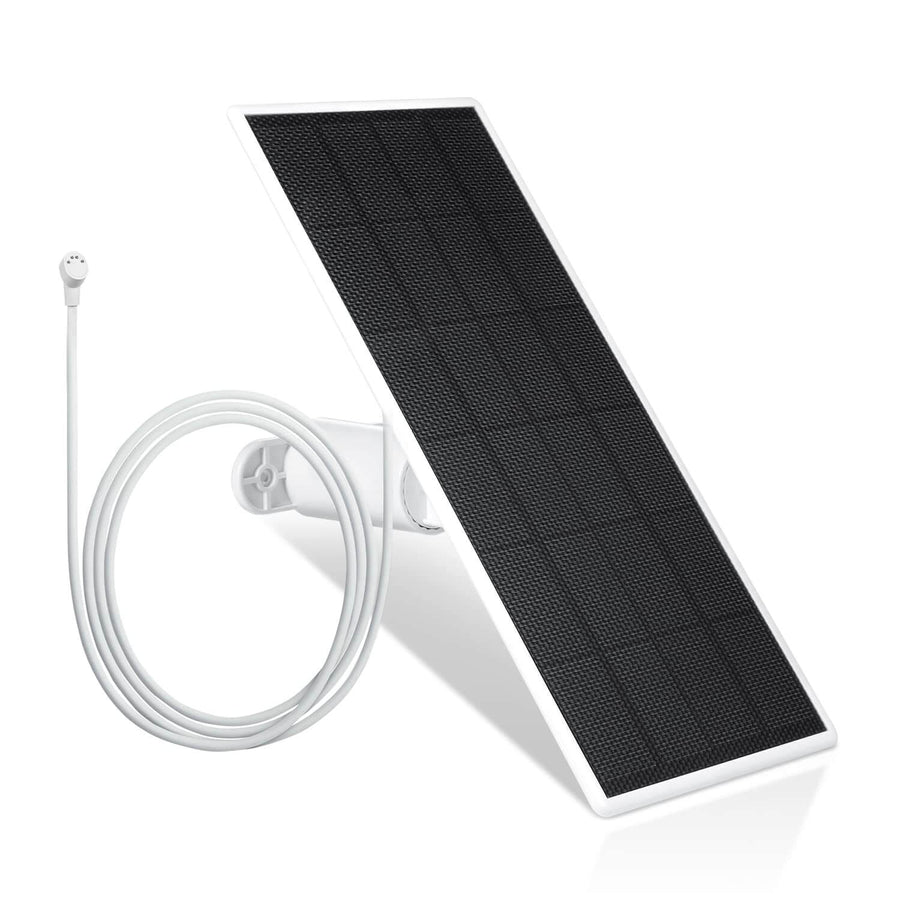
Wasserstein solar panels are designed specifically for solar-powered security cameras and focus on delivering reliable, real-world performance.
What sets them apart is a combination of efficiency, flexibility, and ease of use:
-
Built with high-efficiency solar cells that capture energy even with limited sunlight, helping keep cameras powered during cloudy days.
-
Equipped with 360-degree rotatable mounting hardware, allowing you to adjust the panel for maximum exposure to sunlight throughout the day and generate more power.
-
Includes a long cable, typically around 13 feet, which gives you flexibility to place the panel in direct sunlight while keeping the camera in its ideal location.
-
Designed for easy installation, making them a great option for homeowners who want dependable solar power without professional assistance.
Installation Tips for Best Performance
Proper installation is key to getting the most from solar panels. To ensure reliable charging and maximum exposure to sunlight, keep the following best practices in mind:
-
Install panels where they receive direct sunlight for several hours each day. South-facing locations typically provide the best exposure, but adjustable mounts help optimize performance regardless of placement.
-
Angle the panel correctly so it captures the most sunlight throughout the day. A slight tilt usually improves efficiency compared to flat mounting.
-
Avoid placing panels where trees, buildings, roof edges, or fences cast shadows for long periods, especially during peak daylight hours.
-
Secure all mounting hardware tightly to protect the panel from wind, rain, and vibration over time.
-
Use weatherproof cables and connectors to ensure a reliable connection and prevent moisture-related issues.
Battery Performance and Night Operation
Solar-powered security cameras rely on batteries to operate at night and during periods without sunlight.
Most battery cameras can operate for many hours on a full charge. Solar panels help keep batteries topped up so cameras can continue recording, detecting motion, and connecting to Wi Fi without interruption.
With proper solar charging, batteries remain fully charged and ready to power cameras through the night.
Wired vs Wireless Solar Security Systems
Solar-powered security cameras are typically wireless in terms of data transmission but rely on solar panels for power.
Unlike wired systems, solar-powered cameras do not require running electricity lines. This makes them easier to install and more flexible in placement.
Wireless systems paired with solar panels offer a reliable balance of convenience, security, and performance.
Environmental and Energy Benefits
Using solar panels for security cameras offers both environmental and long-term energy advantages:
-
Reduces reliance on the grid, lowering overall electricity consumption for home security systems.
-
Uses solar power, a renewable and environmentally friendly energy source that helps reduce carbon emissions.
-
Provides reliable electricity for security cameras without increasing household energy demand.
-
Saves money over time by reducing battery replacements and minimizing electricity usage.
Final Thoughts on Choosing the Right Solar Panel
Choosing between monocrystalline and polycrystalline solar panels depends on your priorities.
If efficiency, reliability, and compact size matter most, monocrystalline solar panels are the best choice for security cameras. They produce more power, perform better in heat and low light, and keep cameras charged more consistently.
Polycrystalline panels can still work as a great option for buyers focused on lower upfront cost and larger mounting areas.
For most homeowners, investing in solar-powered security cameras, monocrystalline panels paired with high-quality products like Wasserstein solar panels, provides the best balance of performance, reliability, and value.
FAQs
What is the main difference between monocrystalline and polycrystalline solar panels?
Monocrystalline panels use single-crystal solar cells and offer higher efficiency. Polycrystalline panels use multiple crystals and are more affordable but less efficient.
Which solar panel type is better for security cameras?
Monocrystalline solar panels are usually better because they provide more power in less space and perform better in heat and low light.
Do solar-powered security cameras work on cloudy days?
Yes. Solar panels trickle charge batteries, and monocrystalline panels tend to perform better during cloudy days.
How much sunlight does a solar-powered security camera need?
Most cameras need a few hours of direct sunlight per day to stay charged.
Are solar panels for security cameras weatherproof?
Yes. Most panels are designed to withstand rain, heat, and outdoor conditions.
Why choose Wasserstein solar panels?
Wasserstein panels offer great features such as high efficiency, adjustable mounting, long cables, and reliable charging for security cameras.
Leave a comment