

Maximize Efficiency: Top Wired Charging Station Benefits Explained
Quick summary
-
Wired charging stations deliver faster charging speeds with less energy loss than wireless alternatives.
-
Direct cable connections reduce heat buildup and help preserve long-term battery health.
-
Multi-device wired charging stations simplify daily routines by powering several devices at once.
-
Centralized wired hubs reduce cable clutter while maintaining consistent, reliable power.
-
Universal USB-A and USB-C compatibility supports most phones, wearables, and smart devices.
-
Wired charging offers greater reliability for smart home equipment and always-on devices.
-
Compared to wireless charging, wired solutions provide better efficiency, safety, and long-term value.
Charging technology has evolved rapidly, but one challenge remains the same: keeping all your devices charged efficiently, safely, and without clutter. From smartphones and wireless earbuds to smartwatches, security cameras, and other devices, modern users depend on reliable power throughout the day. Choosing the right charging solution can significantly impact charging speed, battery health, convenience, and long-term device reliability.
While wireless charging offers undeniable convenience, wired charging stations continue to deliver faster charging speeds, reliable performance, and broader compatibility. This guide explores the most important wired charging station benefits, compares wired charging vs wireless charging, and shows how Wasserstein wired charging products help users maximize efficiency across everyday devices and smart home setups.
Understanding the Basics of Wired Charging Stations
A charging station is designed to centralize power delivery, allowing users to charge multiple devices from one location. Unlike single-wall chargers, a wired charging station often includes multiple ports, structured cable management, and built-in safety measures that protect devices during the charging process.

Traditional wired charging relies on a direct physical connection between the charger and the charging port. This direct connection minimizes energy loss, reduces charging time, and ensures devices receive consistent power. For users managing many devices daily, such as phones, earbuds, smartwatches, and even security cameras, wired chargers provide stability and predictability that wireless chargers sometimes struggle to match.
Wasserstein’s wired charging ecosystem is built around this principle: centralized, dependable power with minimal downtime, whether you’re charging personal devices or maintaining always-on smart home equipment.
Understanding the Different Types of Charging Stations
Choosing the right charging station for your devices can make a big difference in convenience, speed, and overall device care. With so many options available, it’s important to understand the main types of charging stations and how they fit different needs.
Wireless charging stands are a favorite for users who value a cable-free experience. These stands use inductive charging technology, allowing you to simply place your smartphone, wireless earbuds, or Apple Watch on the stand to start charging—no plugging or unplugging cables required. This not only reduces wear and tear on your device’s charging port but also keeps your space looking clean and organized. Wireless charging stands often feature a sleek design and are perfect for charging multiple devices at once, though they may offer slower charging speeds compared to wired options and can sometimes face compatibility issues with certain devices or cases.
Multi-device charging stations are designed for households or individuals with several devices to keep powered up. These stations typically include a mix of USB-A ports, USB-C ports, and sometimes even wireless charging pads, making it easy to charge multiple devices—like smartphones, tablets, wireless earbuds, and smartwatches—simultaneously. Multi-device charging stations help reduce cable clutter and often come with built-in safety measures to prevent overcharging or overheating. They’re ideal for users who want to charge multiple devices efficiently from a single hub, though they may take up more space and can be more expensive than single-device chargers.
Traditional wired charging stations remain a top choice for those who prioritize faster charging speeds and reliable performance. These stations use direct cable connections, often featuring multiple USB-A ports for charging several devices at once. Wired charging is especially effective for devices that require more power, such as tablets and laptops, and is known for its consistent, dependable charging process. While traditional wired charging stations may require more cables and can contribute to some cable clutter, they deliver the fastest charging speeds and are generally more cost-effective than wireless charging stands.
When selecting a charging station, consider the types of devices you need to charge, how much power each device requires, and the level of convenience you want. Wireless charging stands are great for a minimalist, cable-free setup and reduced wear on charging ports. Multi-device charging stations are perfect for families or tech enthusiasts who need to charge multiple devices at once. Traditional wired charging stations are best for users who want the fastest charging speeds and reliable performance for all their devices.
Each type of charging station has its own pros and cons. Wireless charging stands offer convenience and a sleek design, but may have slower charging speeds and limited compatibility. Multi-device charging stations provide the ability to charge multiple devices at once, but can be bulkier and more expensive. Traditional wired charging stations deliver faster charging and reliable performance, but require more cables and space.
By understanding the differences between wireless charging, multi-device charging, and traditional wired charging stations, you can make an informed decision that best fits your lifestyle and keeps all your devices powered up and ready to go.
Wired Charging vs Wireless Charging: A Practical Comparison
Wireless charging has grown in popularity thanks to its cable-free design and sleek appearance. Wireless charging offers the convenience of simply placing a phone on a charging pad or wireless charging stand without plugging in cables. However, this convenience often comes with trade-offs.

Wireless charging uses inductive charging, where energy is transferred through a charging coil rather than a direct cable connection. This process creates more heat, leads to energy loss, and often results in slower charging speeds, especially if the phone is misaligned.
In contrast, wired charging delivers power directly, allowing devices to charge faster, stay cooler, and receive stable power. This is why wired charging remains the preferred option for users who value speed, efficiency, and battery health, especially when charging multiple devices simultaneously.
Wired Charging Station Benefits for Everyday Users
The benefits of wired charging stations go beyond speed alone. These stations improve organization, protect devices, and support charging multiple devices from one central hub.
Key wired charging station benefits include:
-
Faster charging speeds with minimal energy loss
-
Reduced wear and tear on charging ports
-
Reliable performance across most phones and other devices
-
Better control over how much power each device receives
-
Fewer compatibility issues compared to wireless chargers
Wasserstein wired charging stations seamlessly integrate into homes, offices, and travel setups, supporting all your devices without clutter or compromise.
Faster Charging Speeds and Improved Efficiency
Speed is one of the biggest advantages of wired charging. With a direct cable connection, devices can take full advantage of quick charge protocols and faster charging speeds without the inefficiencies of wireless energy transfer.
Wireless charging often results in slower charging speeds due to heat generation and energy loss during inductive charging. Even slight misalignment can interrupt the charging process or reduce efficiency.
Wired charging ensures:
-
Faster, more consistent charging
-
Less wasted energy
-
Predictable charging times
For example, Wasserstein’s 3-in-1 Wired Charging Stations deliver stable power to phones, earbuds, and smartwatches simultaneously, without slowing down individual devices.
Charging Multiple Devices at the Same Time
Modern users rarely charge just one device. Smartphones, wireless earbuds, smartwatches, tablets, and other devices often require power simultaneously. A multi-device charging station is designed to handle this reality.

Wasserstein’s 3-in-1 charging stations support Apple, Google Pixel, Fitbit, and USB-C devices, allowing users to charge multiple devices simultaneously from a single station. This eliminates the need for multiple wall chargers—high-capacity adapters designed to charge several devices at once—reduces cable clutter, and keeps devices charged and ready.
Whether it’s an iPhone with AirPods and a Fitbit, or a Google Pixel phone with Pixel Buds and Pixel Watch 3, multi-device charging improves efficiency and simplifies daily routines.
Popular wall chargers include the Anker PowerPort 6 Wall Charger and the Soopii Quick Charge 3.0, both capable of charging up to six devices at once. For even larger setups, the SIIG 90W 10-Port USB Station can charge up to ten devices simultaneously. The Belkin BoostCharge Pro 3-in-1 is designed specifically for Apple products, offering a streamlined solution for iPhone, Apple Watch, and AirPods users.
Reducing Cable Clutter Without Sacrificing Speed
Cable clutter is one of the most common frustrations with traditional chargers. Multiple charging cables, wall adapters, and power bricks can quickly overwhelm desks and nightstands.
Wired charging stations reduce clutter by:
-
Centralizing power into one charging station
-
Eliminating the need for multiple wall chargers
-
Organizing cables in a clean, structured layout
However, wired charging stations can sometimes result in limited mobility, as devices must remain connected to the station during charging.
Unlike wireless chargers, which still require cables and adapters behind the scenes, wired charging stations keep everything in one place while delivering faster charging and reliable performance.
Protecting Charging Ports and Reducing Wear and Tear
Repeated plugging and unplugging cables can cause wear and tear on charging ports over time. Loose ports, unreliable connections, and slow charging often result from frequent cable movement.
Wired charging stations reduce wear by:
-
Keeping devices connected in a stable position
-
Minimizing unnecessary unplugging cables
-
Providing secure connectors that don’t shift during charging
However, wireless charging offers less risk of port damage, as it can reduce wear and tear on device charging ports and potentially extend their lifespan.
This is especially important for devices like smartphones, smartwatches, and security cameras that rely on consistent power.
Battery Health and Safer Charging
Battery health is strongly influenced by heat, power regulation, and charging consistency. Wireless charging generates more heat due to inductive charging and energy loss, which can degrade battery health over time.
Wired charging produces less heat and allows better control over power delivery. Wasserstein wired chargers include built-in safety measures such as over-current protection, temperature monitoring, and over-voltage protection.
These safeguards help extend battery life and reduce long-term risk, especially for devices that remain plugged in for extended periods.
USB-A Ports, USB-C, and Universal Compatibility
Universal compatibility is a major advantage of wired charging stations. Many Wasserstein chargers include a combination of USB-A and USB-C ports, supporting:
-
Apple devices
-
Android smartphones
-
Wireless earbuds
-
Smartwatches
-
Other USB-C devices
This versatility eliminates compatibility issues common with wireless chargers, which may not work properly with all phone models or cases.
Charging Pads and Phone Positioning
Wireless charging pads require precise alignment between the phone and the charging coil. Misalignment can cause slower charging speeds or no charging at all.
Wired charging pads and stations eliminate alignment issues by maintaining a direct connection. Devices remain charged regardless of position, movement, or case thickness.
Phone Upright, Landscape Orientation, and Flexibility
Many users want their phone upright or in landscape orientation while charging, especially for clocks, notifications, or media playback.
Wasserstein wired charging stations offer adjustable connectors and stable stands that allow flexible viewing angles while maintaining faster charging speeds and reliable power, making them an excellent addition to your smart home devices.
Portable Chargers and On-the-Go Charging

A portable charger is essential for travel, commuting, and busy days away from outlets. Wired portable charging solutions charge devices faster and more reliably than wireless alternatives.
Wireless portable chargers often suffer from slower charging, more heat, and energy loss. Wired solutions ensure devices stay powered efficiently, even when charging multiple devices on the go.
Charging in Public Spaces Like Coffee Shops
In coffee shops and shared spaces, power outlets are limited. Wired chargers allow users to charge faster and free up outlets sooner.
Wireless chargers may look convenient, but slower charging speeds can leave devices underpowered when time is limited. Wired charging remains the smarter option in public environments.
How Much Power Do Devices Really Need?
Different devices require different amounts of power. Smartphones, smartwatches, wireless earbuds, and security cameras all have unique power needs.
Wasserstein wired charging stations distribute power efficiently, ensuring each device receives the right amount of energy without overheating or slowing down others.
Reliability and Long-Term Performance
Reliable performance matters, especially for smart home devices like security cameras. Wasserstein’s continuous charging solutions ensure cameras stay powered without frequent battery swaps. For an in-depth overview on how to power outdoor security cameras, check out our guide.
Examples include:
-
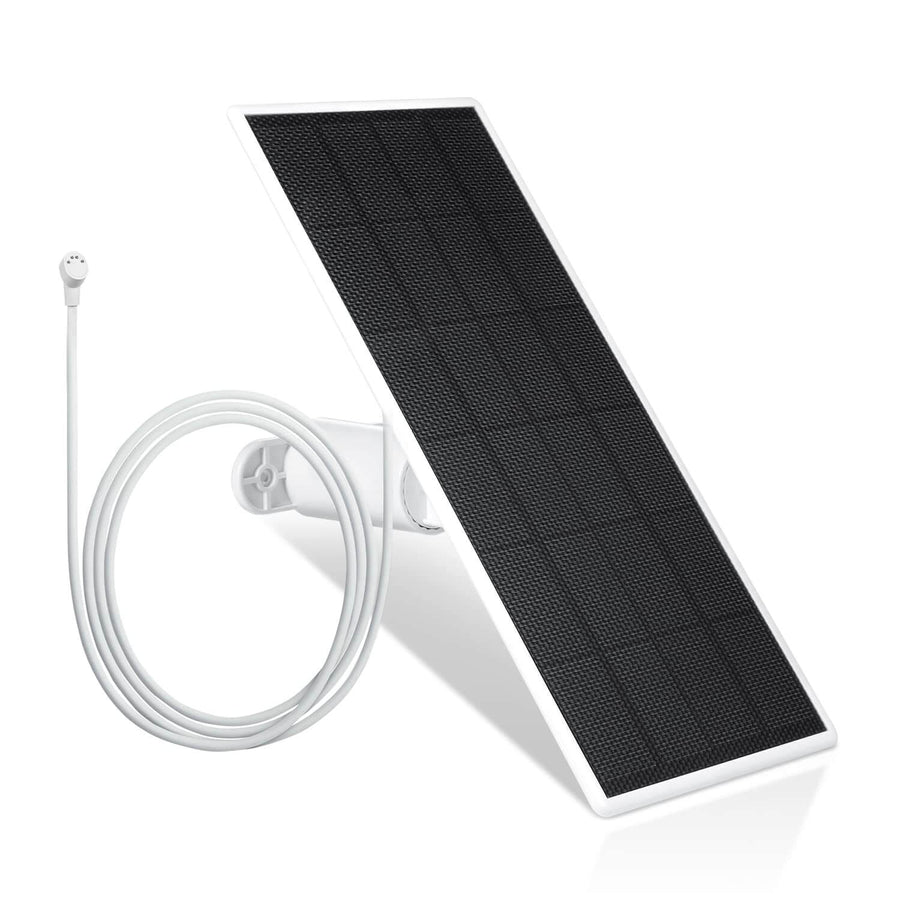
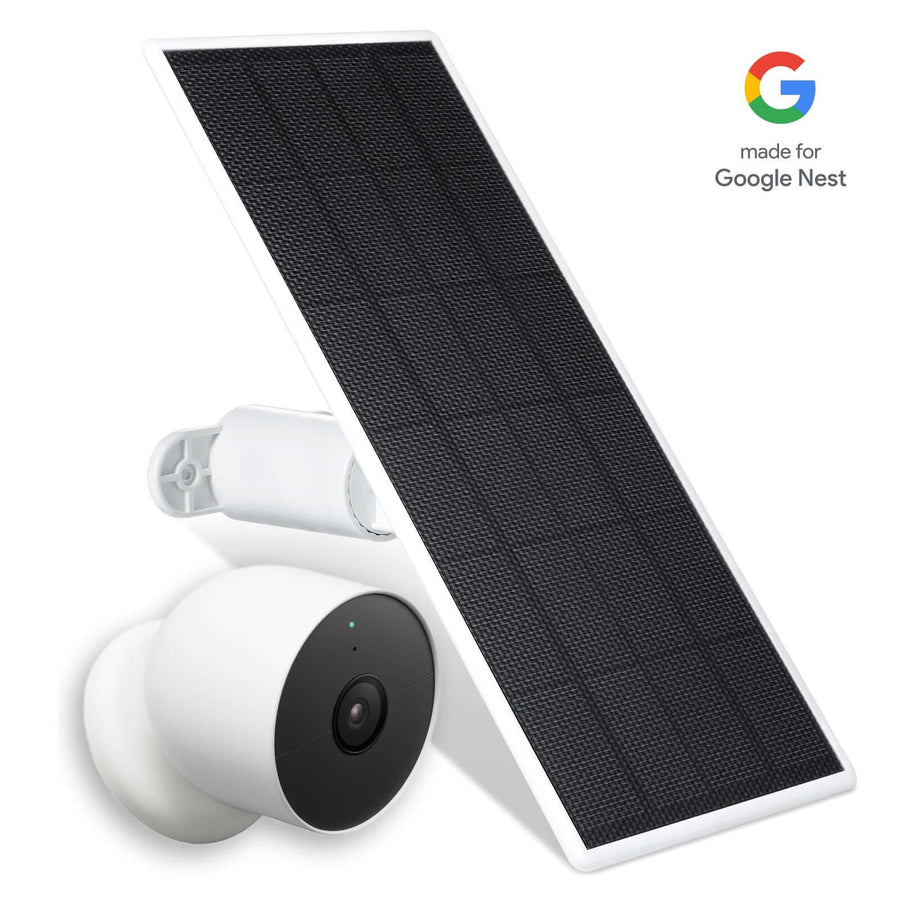
Wasserstein Solar Panels with high-efficiency cells, rotatable mounts, and long cables to avoid downtime
-
3-in-1 Floodlight, Charger & Mounts that provide continuous power and enhanced nighttime visibility
-
Pogo Pin Power Cables for Google Nest Cam with weather-resistant magnetic connections
-
Dual-slot charging stations for Nest Cam batteries
-
Battery charging stations for Ring and Wyze cameras to keep spare batteries ready
These wired solutions deliver consistent power where wireless options fall short.
Pros and Cons of Wired vs Wireless Charging
Wired Charging Pros
-
Faster charging speeds
-
Less energy loss
-
Reduced heat
-
Universal compatibility
-
Better battery health
Wired Charging Cons
-
Requires cables
Wireless Charging Pros
-
Cable-free convenience
-
Sleek design
Wireless Charging Cons
-
Slower charging
-
More heat
-
Compatibility issues
-
Higher overall cost
Safety Measures and Durable Materials
Wasserstein wired chargers are built with durable materials and advanced safety protections. These features reduce risk, extend product lifespan, and protect valuable devices.
Wireless chargers also include safety features, but increased heat introduces additional long-term concerns.
Convenience Without Compromise
Wired charging stations offer convenience through reliability. Charging multiple devices at once, minimizing downtime, and reducing clutter creates a smoother daily experience, without sacrificing speed or performance.
Making an Informed Decision
Choosing between wired and wireless charging depends on priorities. If speed, efficiency, battery health, and reliability matter most, wired charging stations remain the best choice.
Wasserstein wired charging solutions support smartphones, wearables, and security cameras with dependable power, at home, on the go, and outdoors.
Final Thoughts: Why Wired Charging Still Leads
As charging technology continues to evolve, wired charging remains the gold standard. With faster charging speeds, reduced wear, universal compatibility, and reliable performance, wired charging stations deliver long-term value.
From 3-in-1 device charging stations to solar-powered security camera solutions, Wasserstein products demonstrate why wired charging continues to lead in a world full of devices.
Efficiency, reliability, and peace of mind, wired charging still wins.
FAQs
What are the main wired charging station benefits compared to wireless charging?
Wired charging stations provide faster charging speeds, better energy efficiency, and more reliable performance than wireless charging. Because power is delivered through a direct cable connection, there is less energy loss and less heat generation. This improves battery health, reduces charging time, and ensures consistent power delivery across most devices.
Can a wired charging station charge multiple devices at the same time?
Yes. A multi device charging station is designed to charge multiple devices simultaneously from one central hub. Wired charging stations often include multiple USB-A and USB-C ports or dedicated connectors, allowing smartphones, wireless earbuds, smartwatches, and other devices to charge together without unplugging cables or sharing limited wall outlets.
Does wired charging improve battery health?
Wired charging can help maintain better battery health by producing less heat during the charging process. Wireless charging uses inductive charging, which generates more heat and causes energy loss. Excess heat can accelerate battery degradation, while wired chargers regulate power more efficiently, helping protect devices during daily charging cycles.
Is wireless charging always slower than wired charging?
In most cases, wireless charging is slower than wired charging. Wireless chargers lose energy during inductive transfer and require precise alignment between the charging coil and device. Wired charging delivers power directly, allowing devices to charge faster, stay cooler, and maintain consistent charging speeds even when charging multiple devices.
Are wired charging stations compatible with most phones and devices?
Yes. Wired charging stations offer broad, universal compatibility because they use standard connectors such as USB-A, USB-C, Lightning, and dedicated device adapters. This makes them suitable for most phones, tablets, wireless earbuds, smartwatches, and other devices, while wireless chargers may face compatibility issues with certain models or cases.
Do wired charging stations create more cable clutter?
Wired charging stations actually help reduce cable clutter by centralizing power into one organized hub. Instead of using multiple wall chargers and loose cables, users can manage all devices from one charging station. This keeps desks, nightstands, and workspaces cleaner while maintaining faster and more reliable charging performance.
Leave a comment