

Does Blink Work With Google Home? How to Connect It
Quick summary
-
Blink doesn't work natively with Google Home, since it's built primarily for Amazon Alexa, not Google Assistant.
-
IFTTT is the workaround, connecting Blink and Google Assistant to enable limited voice commands like arming or disarming the system.
-
Live video is the key limitation, as no third-party method lets a Google Nest Hub display a Blink camera feed.
-
SmartThings and Hubitat offer alternative automation routes for more advanced smart home setups.
-
For native Google Home compatibility and live streaming, Google Nest, Arlo, Ring, and Wyze cameras are better-suited alternatives.
If you're trying to find out whether Blink works with Google Home, the short answer is no—not natively. Blink cameras are built primarily for Amazon Alexa, so they do not connect directly to Google Home for native camera control or live video, but Blink owners and smart home users can use third-party services such as IFTTT to add limited Google Assistant commands like arming or disarming the system.
That distinction matters if you're setting up a voice-controlled security system or comparing cameras for Google Home compatibility. An IFTTT applet can trigger Blink actions from a Google Assistant phrase, but Google Nest Hub cannot display live video from Blink cameras through these workarounds.
This guide explains what Blink can and cannot do with Google Home, how to connect Blink using IFTTT and other third-party platforms such as SmartThings or Hubitat, where the integration falls short, what security tradeoffs to consider, and when alternatives like Google Nest, Arlo, Ring, or Wyze make more sense if you want seamless Google Home integration and live camera streaming.
Compatibility Overview: Blink Cameras and Google Home
Blink does not natively integrate with Google Home. Blink is an Amazon-owned security camera brand primarily designed for Amazon Alexa, while Google Home is built around Google's ecosystem and Google Assistant.

This means you cannot simply open the Google Home app, link your Blink account, and access all Blink devices. Third-party services can bridge certain functions, but they do not provide full Google Home compatibility.
The difference is important:
-
Native integration: A camera is designed to work directly with Google Home.
-
Third-party integration: A service such as IFTTT connects supported actions between systems.
-
Voice control: Google Assistant can trigger certain Blink actions through supported automation.
-
Live video: These workarounds do not allow a Google Nest Hub to stream Blink camera video.
The supplied reference material similarly identifies Blink as primarily designed for Alexa while describing IFTTT as a method for limited Google Assistant control.
Why Blink Lacks Google Home Integration: The Ecosystem Lock-In Theory
Some users believe Amazon's ownership of Blink and competition between Alexa and Google Assistant may explain why Blink does not natively work with Google Home. Google also operates its own Nest security camera ecosystem.
However, this is a user theory, not an official explanation from Blink or Amazon. The fact is that Blink is primarily designed for Alexa, while Google Home does not offer native Blink camera integration.
Native Live View: Alexa/Echo Show vs. Google Nest Hub
The biggest distinction is live video. Alexa-enabled screen devices such as Echo Show can display compatible Blink camera feeds because Blink works natively within the Alexa ecosystem. Google Nest Hub cannot display a live Blink camera feed through IFTTT, SmartThings, or similar workarounds.
So, while you may be able to say "OK Google" and trigger an automation involving Blink, you cannot say "show me my Blink camera" and expect the live video to appear on a Google Nest Hub.
|
Feature |
Blink + Alexa |
Blink + Google Home |
|---|---|---|
|
Native integration |
Yes |
No |
|
Voice control |
Yes |
Limited |
|
Arm/disarm |
Yes |
Through supported automation |
|
Live video on smart display |
Supported on compatible Alexa screens |
No |
|
Third-party automation |
Available |
Available |
How to Connect Blink to Google Home
Since Blink does not directly work with Google Home, users need a third-party service to connect the two systems. IFTTT is the simplest method for most users, while SmartThings and Hubitat are alternatives for more advanced smart home setups.
These services can pass supported triggers and commands between Blink and Google Assistant, but they cannot add native camera streaming. Third-party automation may also introduce delays or feature limitations, so test every routine before relying on it for security.
Step-by-Step: Connect Blink Using IFTTT
IFTTT, short for If This Then That, lets users create applets based on triggers and actions.
1. Create an IFTTT Account
Download the IFTTT app on your Android smartphone or another supported device, then create an account or sign in.

2. Connect Your Blink Account
Open the IFTTT app and search for the Blink service. Select Connect, sign in with your Blink account, and grant the requested access.

3. Connect Google Assistant
Search for Google Assistant in IFTTT, select Connect, and sign in with your Google account. Follow the prompts to grant the necessary permissions.

4. Create an Applet
Create an applet using a Google Assistant voice command as the trigger and a supported Blink action as the result.
For example:
"OK Google, activate Blink."
The trigger can then arm or disarm the Blink system, depending on the action selected. The reference material describes the same basic process of connecting Blink, authorizing the Blink account, connecting Google Assistant, and creating an automation, and this method stands as a quick and effective way to manage supported Blink actions with Google Assistant voice commands and automation.
IFTTT Availability Caveat
The Blink service may not appear in the IFTTT app for every user or configuration. If it does not appear, try another search term, verify your account, and check whether the service is temporarily unavailable. If IFTTT does not provide the required connection, consider SmartThings or Hubitat instead.
SmartThings and Hubitat Alternatives
SmartThings can be used to create workflows involving Blink and other smart home devices. For example, a door-locking event could trigger Blink to arm, while unlocking the door could trigger it to disarm.
Hubitat is another third-party hub for users who want more advanced automation. Both options can help coordinate supported tasks, but neither gives Blink native Google Home compatibility or allows live Blink video to stream to a Google Nest Hub.
Managing Blink With Google Assistant
When connecting Blink to a third-party service, verify that you are using the correct Blink account and system. Review the permissions granted to IFTTT or another service and remove access you no longer need.
Users can create supported voice commands for actions such as:
-
Arming Blink
-
Disarming Blink
-
Triggering supported automation
-
Starting a smart home task
The reference content specifically identifies arming and disarming as examples of Blink controls available through Google Assistant integrations.
However, Google Assistant cannot turn Blink into a native Google Home camera or provide live Blink video on a Nest Hub.
Cameras That Work Natively With Google Home
If Google Home compatibility is a priority, choosing a camera with native support is easier than maintaining a third-party connection.
Google Nest and Google Nest Hub

Google Nest cameras are designed for Google's ecosystem, making them a straightforward choice for users who want to view compatible camera feeds through Google Home devices such as the Nest Hub. This native approach avoids the additional app, service, trigger, and account connections required by an IFTTT workaround.
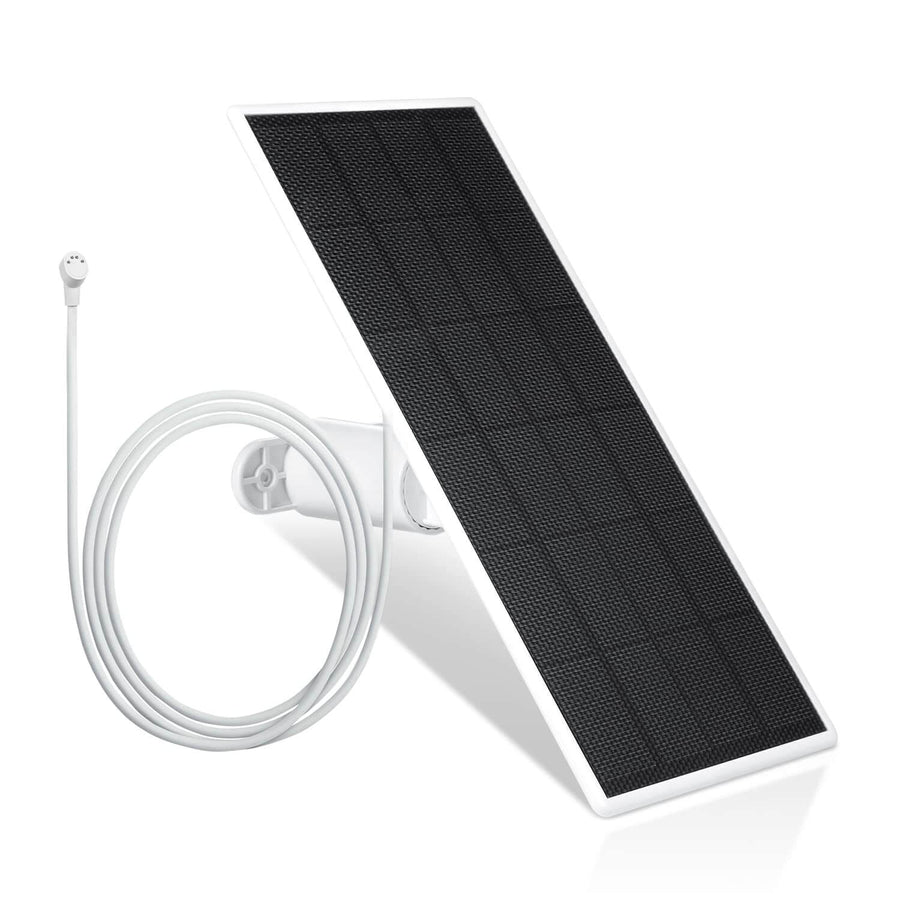
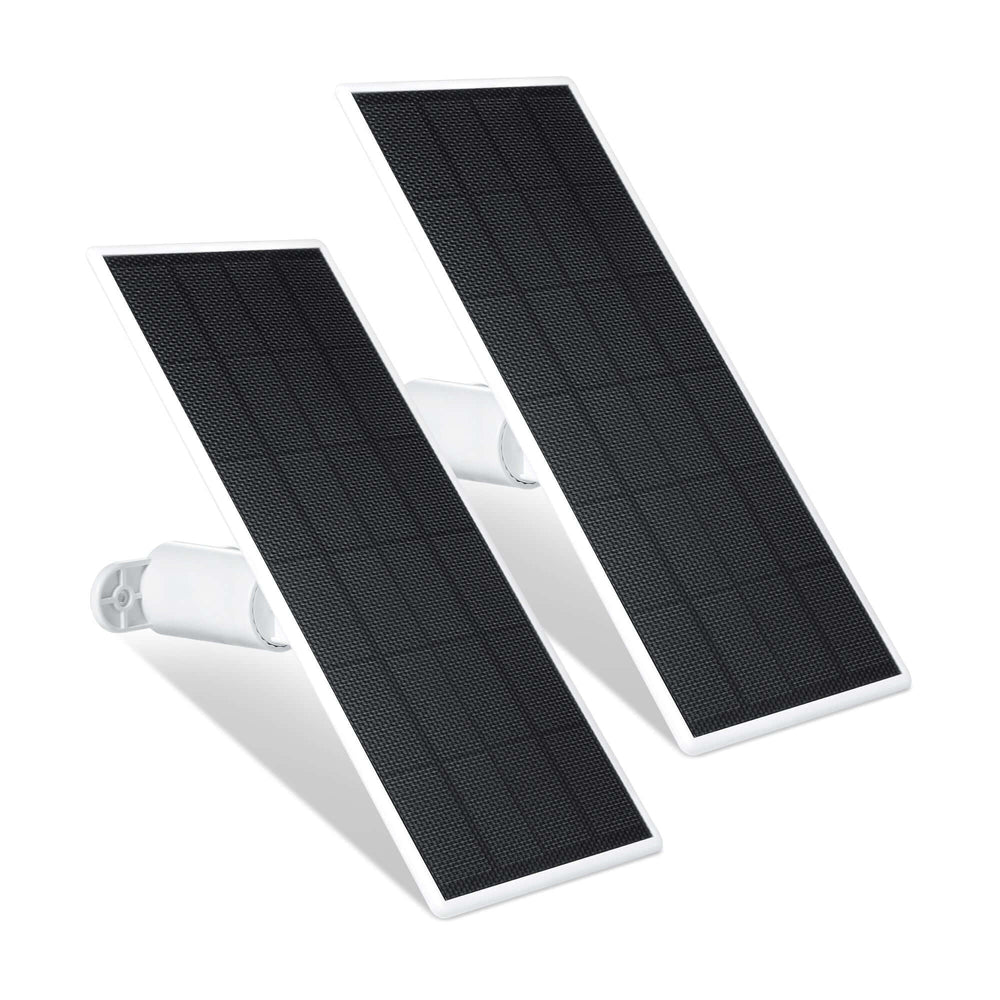
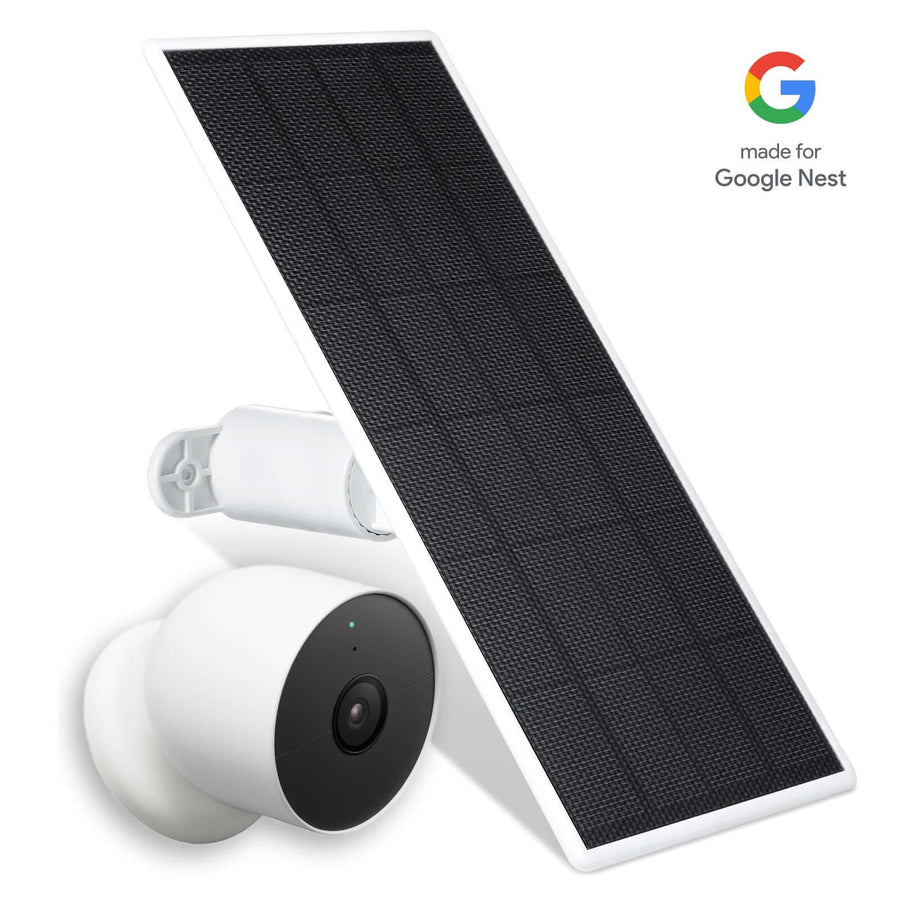
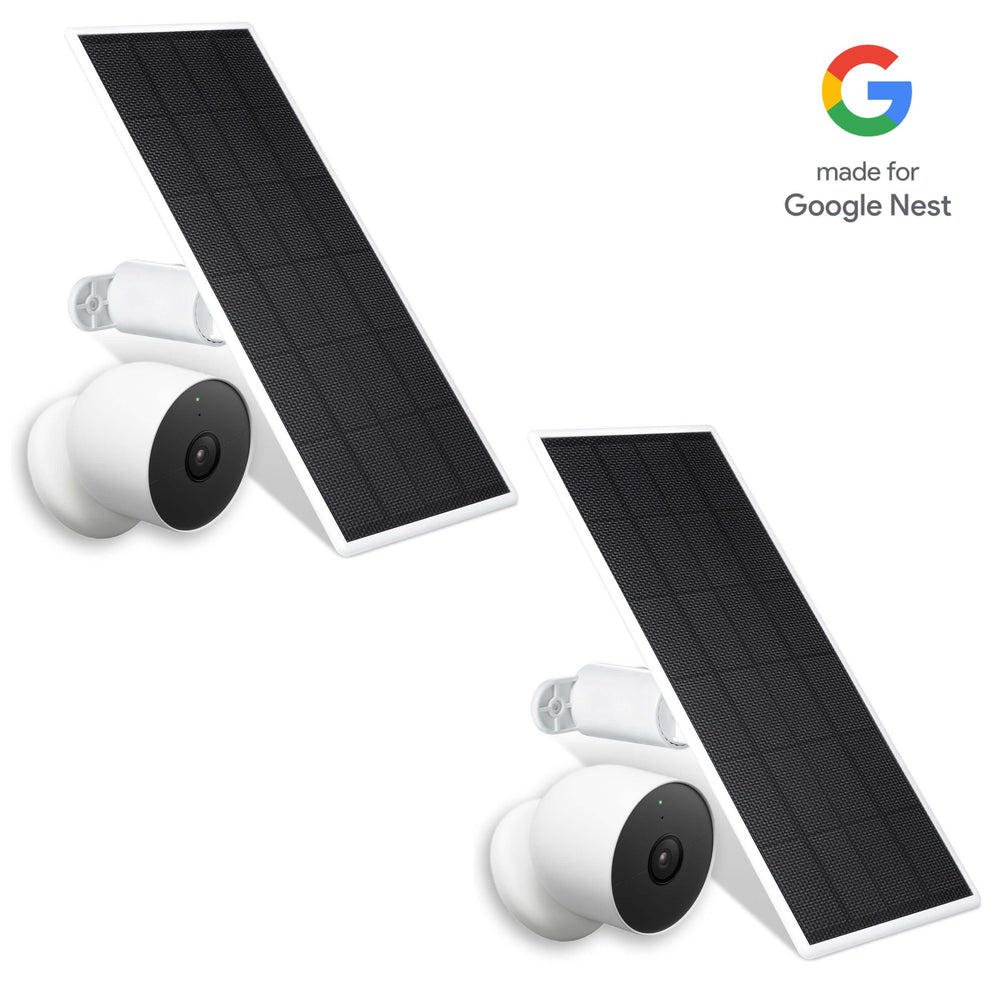
Check out Wasserstein's collection of Google Nest accessories, including solar panels, mounts, floodlights, and more!
Arlo, Ring, and Wyze Cameras
Arlo cameras are another strong option, with supported models offering features such as 4K resolution, night vision, motion detection, and Google Home compatibility.

Arlo cameras are another popular choice that works well with Google Home. They offer wire-free options, both indoor and outdoor models, and come with advanced features like 4K resolution, night vision, and customizable motion detection. Arlo cameras can be easily integrated with Google Home, allowing you to view live feeds and receive alerts through voice commands.
Check out Wasserstein's collection of Arlo accessories, including solar panels, mounts, floodlights, and more!
Ring cameras offer features such as two-way audio and motion detection, while Wyze cameras provide Google Home connectivity on supported models. Check the individual camera's current features before purchasing because compatibility can vary by model.
Check out Wasserstein's collection of Arlo chargers and other accessories, including solar panels, mounts, floodlights, and more!
Pros, Cons, and Security Considerations
Pros
-
Keep your existing Blink cameras without replacing the system.
-
Add limited Google Assistant voice control through IFTTT.
-
Create automation routines for supported Blink actions.
-
Connect Blink with other smart home tasks and triggers.
Cons
-
Blink does not natively integrate with Google Home.
-
Google Nest Hub cannot display live Blink video through third-party workarounds.
-
IFTTT and other services add another layer of complexity.
-
Automations may experience delays or temporary service issues.
-
Available third-party features can change over time.
Security Considerations
-
Review the permissions granted to IFTTT, SmartThings, Hubitat, or other connected services.
-
Use strong, unique credentials for your Blink account and other smart home accounts.
-
Remove access from third-party services you no longer use.
-
Test arm, disarm, and other security automations regularly.
-
Do not rely on a third-party automation as the sole method of monitoring or securing your property.
-
Remember that connected services may have access to account or device data required to perform their tasks.
Final Recommendation
If you already own Blink cameras and only want basic Google Assistant control, IFTTT is the simplest method to try. It can connect supported Blink actions to voice commands and automation triggers.
If you specifically want to view Blink video on a Google Nest Hub, there is no equivalent workaround that provides native live streaming. Choose a Google Home-compatible camera instead.
Google Nest is the most direct choice for Google's ecosystem, while Arlo provides another strong option for users seeking features such as 4K video and night vision. If you keep Blink, Wasserstein accessories can make power and placement easier, but they do not change the camera's compatibility.
FAQs
Which works better with Google Home, Blink or Nest/Google cameras?
Nest cameras work better because they are designed for Google Home. Blink does not have native integration. IFTTT can provide limited Google Assistant control, but it cannot provide the same native camera experience or live Blink video on a Google Nest Hub.
Do the Blink Sync Module 2 and Blink Mini require different steps?
Both face the same basic Google Home limitation because Blink lacks native integration. The specific device may affect available Blink features, but neither can be directly added to Google Home for native camera viewing.
Is there a Matter update coming for Blink?
There is no confirmed Matter update in the supplied sources that would give Blink native Google Home support. Users should wait for an official announcement from Blink or Amazon rather than assuming Matter will add live camera streaming.
Can Home Assistant bridge Blink to Google Home?
Home Assistant can provide additional smart home automation, but it does not automatically turn Blink into a native Google Home camera. Automation and live video support are separate capabilities.
Can Google Home use Blink two-way audio?
The available information does not establish native Google Home support for Blink two-way audio. IFTTT is primarily useful for supported automation and control tasks such as arming and disarming.
Can Google Assistant announce Blink motion alerts?
Some notification workflows may be possible through third-party automation, depending on available services. However, there is no universal native Google Assistant feature established for announcing every Blink motion alert.
Why won't my Blink camera appear in Google Home?
Blink does not natively integrate with Google Home, so Blink cameras should not be expected to appear as directly supported Google Home cameras. A compatible Google Home camera is a better option for native viewing and control.
Are Blink cameras compatible with Google Home routines?
Blink can participate in certain third-party automation workflows. IFTTT can use Google Assistant as a trigger for supported Blink actions, but this does not add native Google Home camera functionality or live video.
Do Blink Video Doorbell notifications work on Google Home speakers?
The supplied information does not establish universal native support for Blink Video Doorbell notifications on Google Home speakers. Third-party automation may provide certain notification workflows, depending on the services and triggers available.
How can a non-tech-savvy user connect Blink to Google Home?
IFTTT is the simplest workaround. Download the IFTTT app, create an account, connect Blink and Google Assistant, grant the required access, and create a basic applet for an action such as arming or disarming Blink.
How can a small business automate Blink with Google Home?
A small business can use IFTTT or another supported platform for simple Blink automation, but third-party workflows should not replace dependable security monitoring. Businesses needing live video on Google displays should consider cameras with native Google Home compatibility.
Leave a comment