

Do Burglars Come Back? How to Prevent Repeat Break-Ins and Protect Your Home
Quick summary
-
The "Return" Risk: Burglars often strike the same home again within days or weeks because they are already familiar with the layout, entry points, and remaining valuables.
-
The Critical Window: The first week following a break-in is the most vital time to repair damage and upgrade security to disrupt a potential follow-up attempt.
-
Visible Deterrents: Installing obvious security measures—such as cameras, motion lighting, and alarm systems—serves as a primary psychological barrier for opportunistic criminals.
-
Reinforced Entry: Repeat incidents are significantly more likely if the original point of entry remains unrepaired or vulnerable.
-
Layered Protection: Using a combination of physical upgrades (reinforced locks) and tech (smart alerts) creates multiple "hoops" for an intruder, making the home a less appealing target.
A burglary happens every 25.7 seconds in the United States. According to the Federal Bureau of Investigation, more than 1.1 million burglaries were reported in 2019. These home burglary statistics highlight how common property crime remains. For many homeowners, the bigger concern comes after the first incident. The question becomes urgent and personal: Do burglars come back to the same house?
The answer, supported by burglary statistics, is yes. Repeat burglaries are not rare events. They often happen quickly, sometimes within days of the first break-in. Understanding why burglars return and how to strengthen home security immediately can dramatically reduce the risk of a second break-in.
Understanding Burglary
Burglary is a crime that can leave a lasting impact on homeowners and their sense of safety. Home burglary statistics reveal just how common these incidents are. On average, a break-in occurs every 25.7 seconds in the United States, with over a million cases reported in 2019 alone. Understanding why burglars target the same house and how to prevent repeat burglaries is essential for anyone looking to protect their property and loved ones.
One key reason burglars come back to the same house is familiarity. After a first break-in, they already know the home’s layout, the location of valuables, and any weak points such as broken doors, unlocked windows, or an easily accessible garage door. If these vulnerabilities remain unaddressed, potential burglars may see the property as an easy target for future break-ins. In many cases, if the intruder was not caught during the first incident, they may feel emboldened to return and attempt to steal more items or retrieve valuables they missed.
To deter burglars and reduce the risk of repeat burglaries, it’s crucial to invest in a comprehensive home security system. Visible security cameras are a great deterrent, as most burglars want to avoid being recorded and caught. Modern home security cameras with features like two-way audio and night vision not only capture evidence but also allow homeowners to communicate with anyone on their property in real time. Pairing cameras with an alarm system and smart locks creates multiple layers of protection, making it much harder for burglars to gain entry undetected.
Beyond technology, simple changes in daily habits can also improve security. Keep valuables out of obvious places, such as near windows or in the master bedroom, and avoid leaving car keys or electronics in plain sight. Don’t share travel plans on social media, as this can signal to burglars that your house will be empty for an extended period. Participating in a neighborhood watch program can further enhance security by increasing community awareness and ensuring that suspicious activity is reported quickly.
Most burglars are opportunistic. They look for houses that are easily accessible and have weak security measures. Homes in high-crime areas or those with a history of break-ins are especially at risk. By strengthening security measures and addressing any broken doors, windows, or other vulnerabilities, homeowners can make their property far less appealing to potential burglars.
Ultimately, understanding the patterns behind home burglary and taking proactive steps to improve security can make a significant difference. Installing a robust home security system, keeping valuables secure, and staying alert to potential risks are all effective ways to deter burglars and protect your home from future break-ins.
How Common Are Repeat Burglaries?

Many burglary victims assume that once thieves have struck, they will move on. A quarter of repeat burglaries take place just one week after the first incident. Data shows the opposite. 51% of all victims of burglary suffer a second burglary within one month of the original crime. Approximately one in three victims experiences repeat victimization. More than one in six (17%) burglary victims have experienced three or more burglaries, 65% of which were in the same place.
These numbers show that burglars come back more frequently than most homeowners expect. The period immediately after the first incident is critical. Acting quickly during this window can help protect your property and restore your sense of security.
Why Do Burglars Come Back?
Most burglars do not act randomly. In fact, most burglaries are premeditated, meaning the property has been assessed by thieves and specifically targeted. Many cases of home burglary involve offenders who have observed the property in advance and chosen it as a target. Once a burglar has successfully entered a house, several factors increase the likelihood that they return.
Burglars return because:
-
They understand the home layout and know where valuables are located.
-
They have identified weak entry points such as windows, the front door, or a vulnerable garage door.
-
They assume most homeowners have not upgraded their home security systems.
-
They may have left behind stolen items due to time limits.
-
They expect new valuables to arrive after an insurance company payout.
-
They believe emotional disruption after a first incident reduces vigilance
Familiarity reduces risk for thieves. If broken doors, damaged locks, or other weaknesses remain unaddressed, the property continues to look accessible. When intruders see no visible security cameras or alarm systems installed after the first incident, they may feel confident attempting a second break-in.
What Makes a House an Attractive Target?
Burglars choose homes that appear easy to access and unlikely to result in being caught. Most burglars prefer houses that show little visible security.

Common risk factors include:
-
No visible home security cameras
-
Poor exterior lighting
-
Weak or outdated locks
-
No alarm system
-
Easily accessible doors and windows
-
Unsecured sliding glass doors
-
A damaged or unsecured garage door
-
No close neighbors or a neighborhood watch program
-
A property located in a high-crime area
-
Valuables visible through windows
-
Signs that homeowners are away for an extended period
Thieves often watch a property before acting. Travel plans shared publicly, uncollected packages, or lights that never turn on at night can signal opportunity. Improving visible security is one of the most effective ways to deter burglars before they attempt entry.
Immediate Steps After a First Break-In
The days following a first incident are the most important. Quick action can prevent future break-ins and reduce the chance that burglars return.
Start by repairing all damage immediately. Broken doors, damaged windows, and compromised locks must be fixed without delay. Even temporary reinforcement is better than leaving entry points exposed. If structural weaknesses remain broken, the house remains vulnerable.
Next, install home security cameras in highly visible locations. Security cameras serve two purposes. They record activity, and they discourage intruders who do not want to be caught on video. Place cameras near the front door, garage door, driveway, and ground-floor windows.
Homeowners may also consider getting a guard dog as a physical deterrent to help protect the home after a break-in.

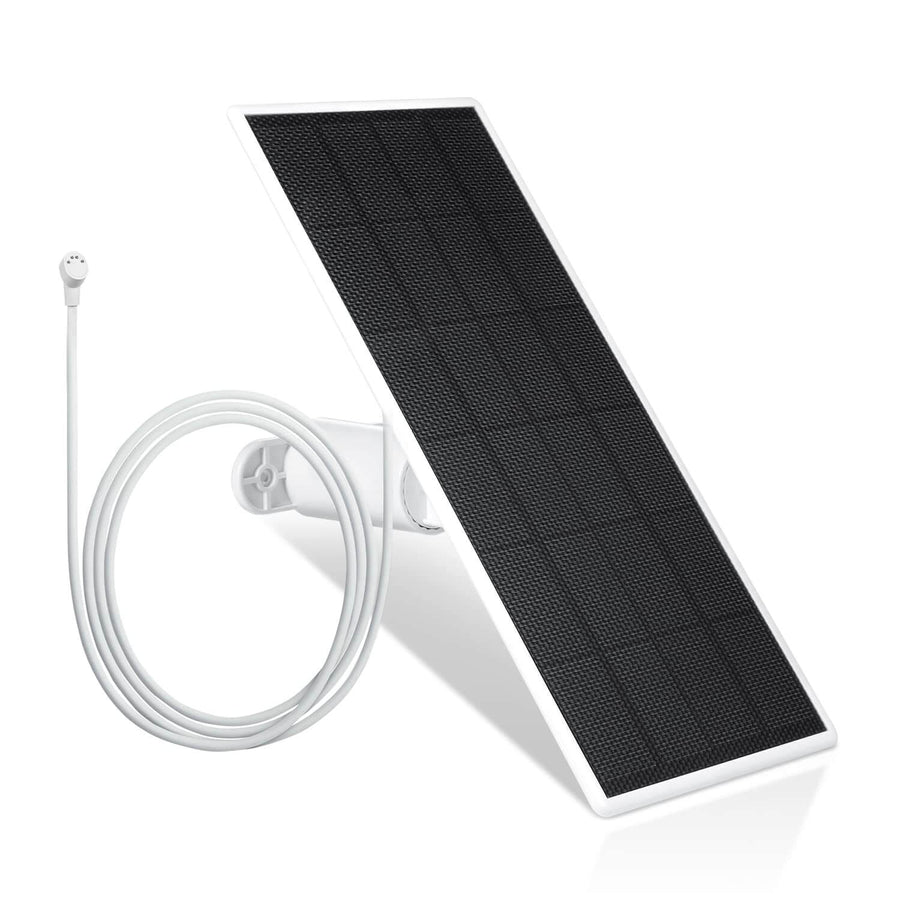
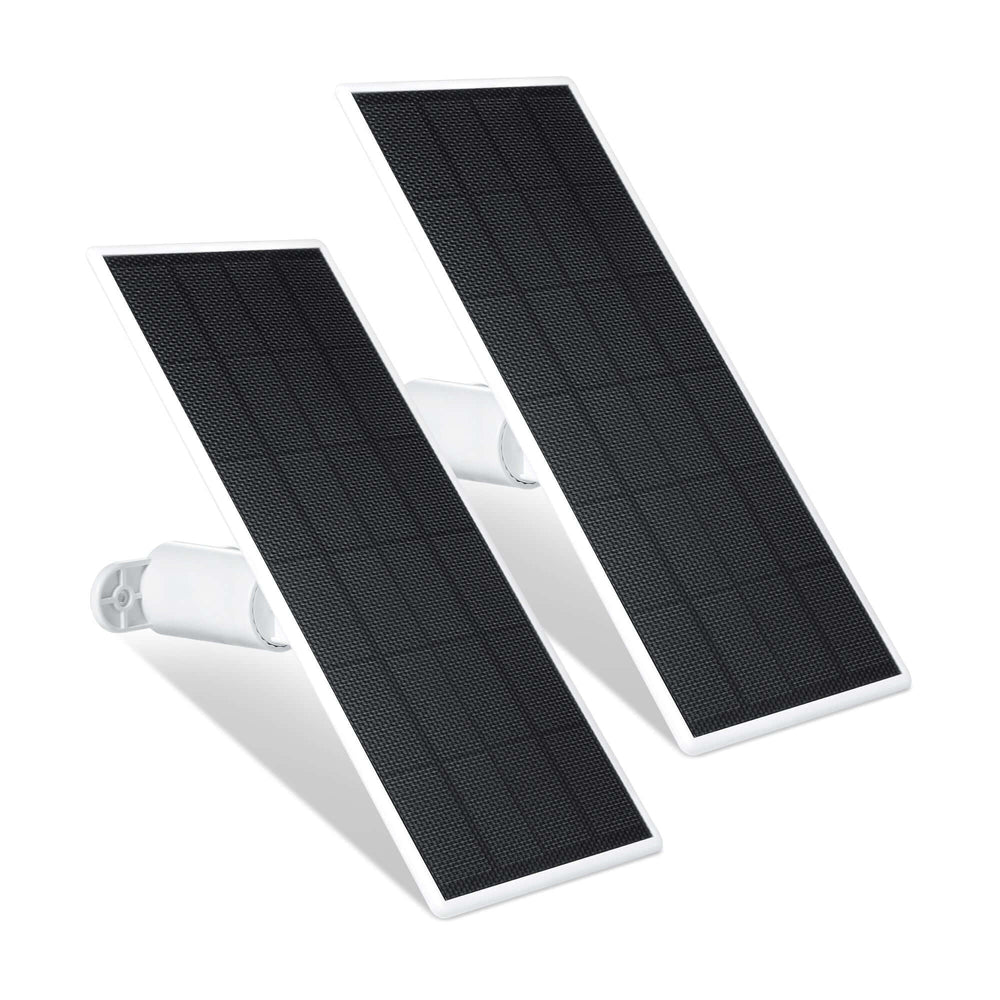
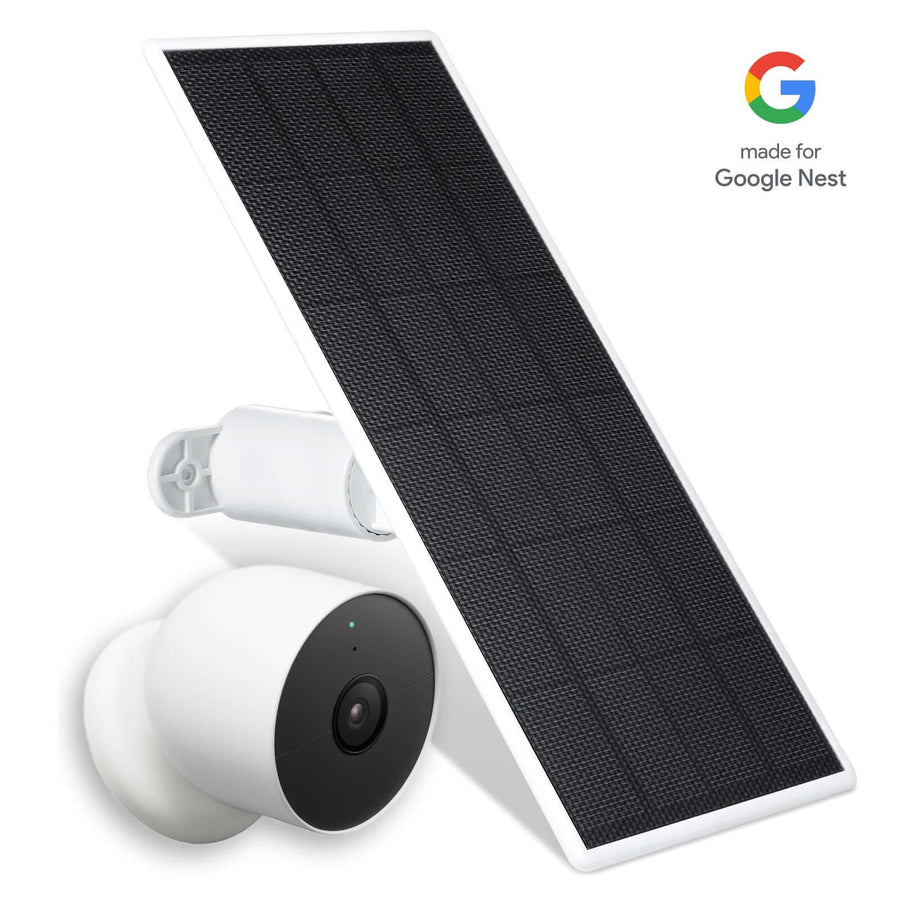
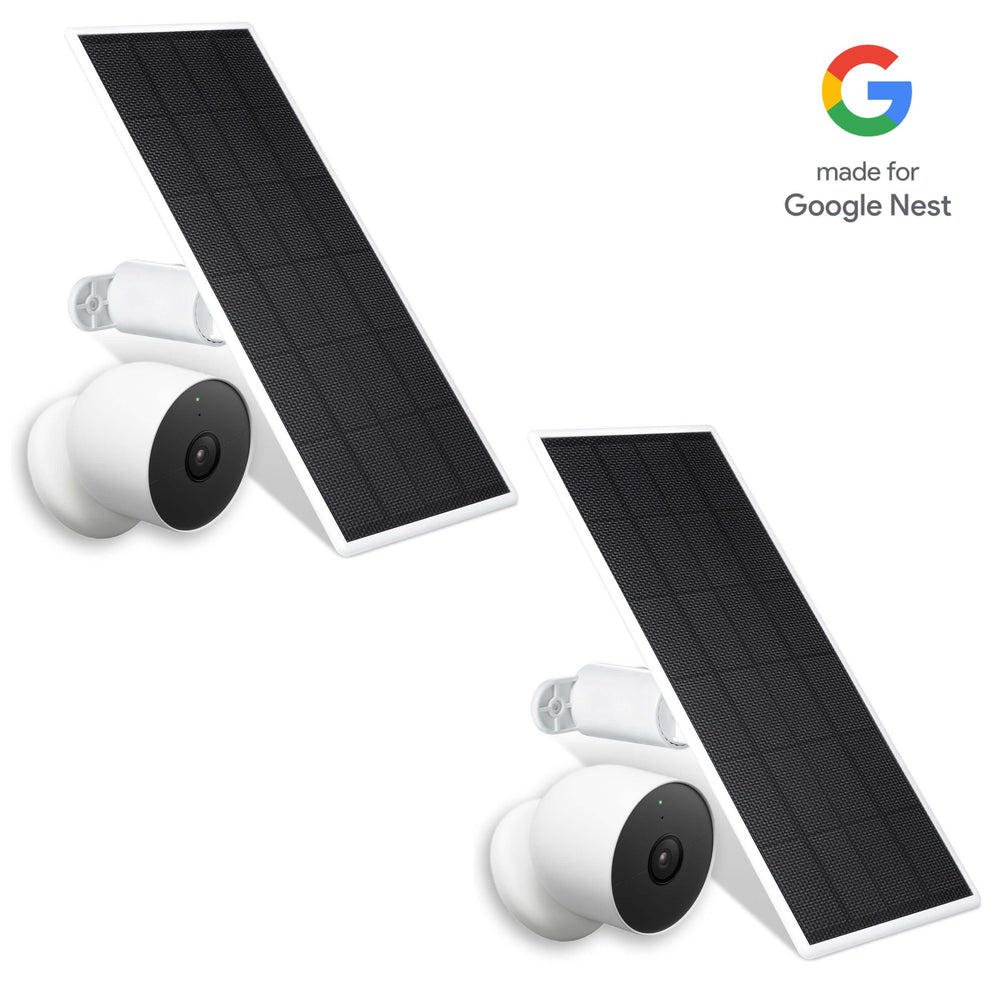
To keep cameras active at all times, consider adding solar panels designed for compatible security cameras. These solar panels for your camera and doorbell use high-efficiency solar cells that capture energy even in minimal sunlight. A 13.1-foot cable allows flexible positioning, and the 360-degree rotatable mount helps maximize sunlight exposure. Continuous charging avoids downtime, which is critical during the first week after a break-in, when repeat burglaries are most likely to happen.
Lighting also plays a major role in home security. Floodlights designed to work with security cameras enhance visibility in low-light conditions and help eliminate dark blind spots around the property. If you use Ring devices, comparing the Ring Spotlight vs Floodlight can help you choose the best coverage for your yard. Adjustable mounts allow you to position lights for optimal viewing angles. Bright illumination removes the cover that intruders rely on and increases the chance that neighbors notice suspicious activity.
Protecting Cameras From Tampering
Visible security is a great deterrent, but cameras must be properly secured. Burglars may attempt to disable or remove cameras before breaking in. Strategic mounting reduces this risk.
Elevated gutter mounts allow you to place cameras higher on the property, making them harder to reach. These mounts feature 360-degree swivel and 180-degree tilt adjustments, allowing flexible positioning while keeping devices out of tampering range. They can also be installed without drilling, which makes relocation easy.
Anti-theft mounts add another layer of protection by securing cameras firmly in place. For video doorbells, using a Google Nest Doorbell anti-theft mount prevents easy removal and protects your investment. Adjustable wall mounts provide 360-degree swivel and 90-degree tilt options while maintaining stability. When cameras are both visible and difficult to remove, potential burglars are more likely to move on.
Strengthening Your Home Security System
A layered home security system significantly reduces vulnerability. Relying on a single lock or camera is not enough.

A strong defense includes:
-
Visible home security cameras
-
Solar-powered charging solutions
-
Motion-activated floodlights
-
A reliable alarm system
-
Reinforced locks and smart locks
-
Smart light bulbs with scheduling features
-
Video doorbells for front door monitoring
An alarm system adds an audible layer of protection. When doors or windows are forced open, the alarm triggers immediately, alerting homeowners and neighbors. Pairing alarms with motion-activated lighting, such as a Simplisafe floodlight, further exposes intruders and improves video footage. The sound increases the likelihood of police response and makes intruders feel exposed.
Smart locks allow homeowners to monitor and control access remotely. If someone attempts to unlock the front door without authorization, you receive an alert. Pairing smart locks with a Google Nest Doorbell (Wired, 2nd Gen) provides clear video and intelligent alerts at your main entryway. Smart security systems integrate cameras, alarms, and smart home devices into one connected network, allowing real-time monitoring from your phone.
Upgrade and Secure Your Video Doorbells
The front door is one of the most common entry points during a burglary. Video doorbells, such as the Google Nest Doorbell (battery), help monitor this area and provide alerts when someone approaches.
To maximize effectiveness, angled doorbell mounts can adjust the viewing angle horizontally or vertically, eliminating blind spots. Google Nest Doorbell accessories like adjustable mounts and wall plates can fine-tune positioning and improve visibility. Solar charger mounts supply continuous power, reducing the risk of battery failure during critical moments. For renters or those who prefer minimal installation, no-drill mounts with heavy-duty adhesive or clamp-style designs provide secure attachment without permanent modifications.

Image courtesy of Ring
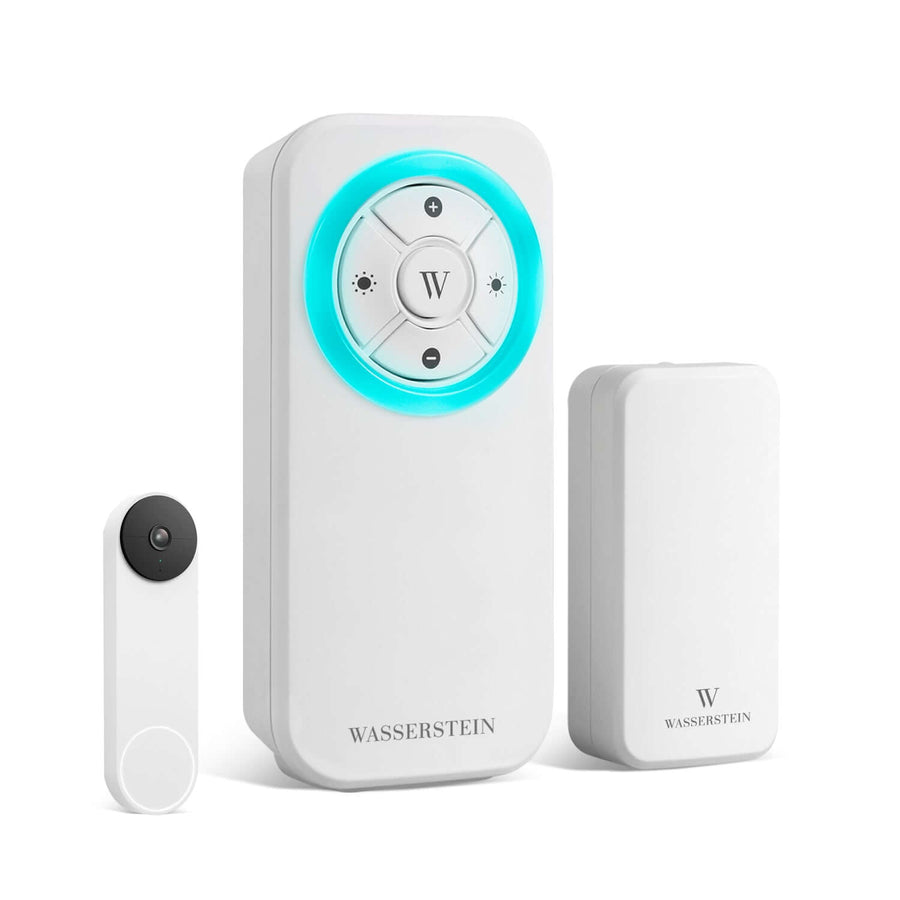
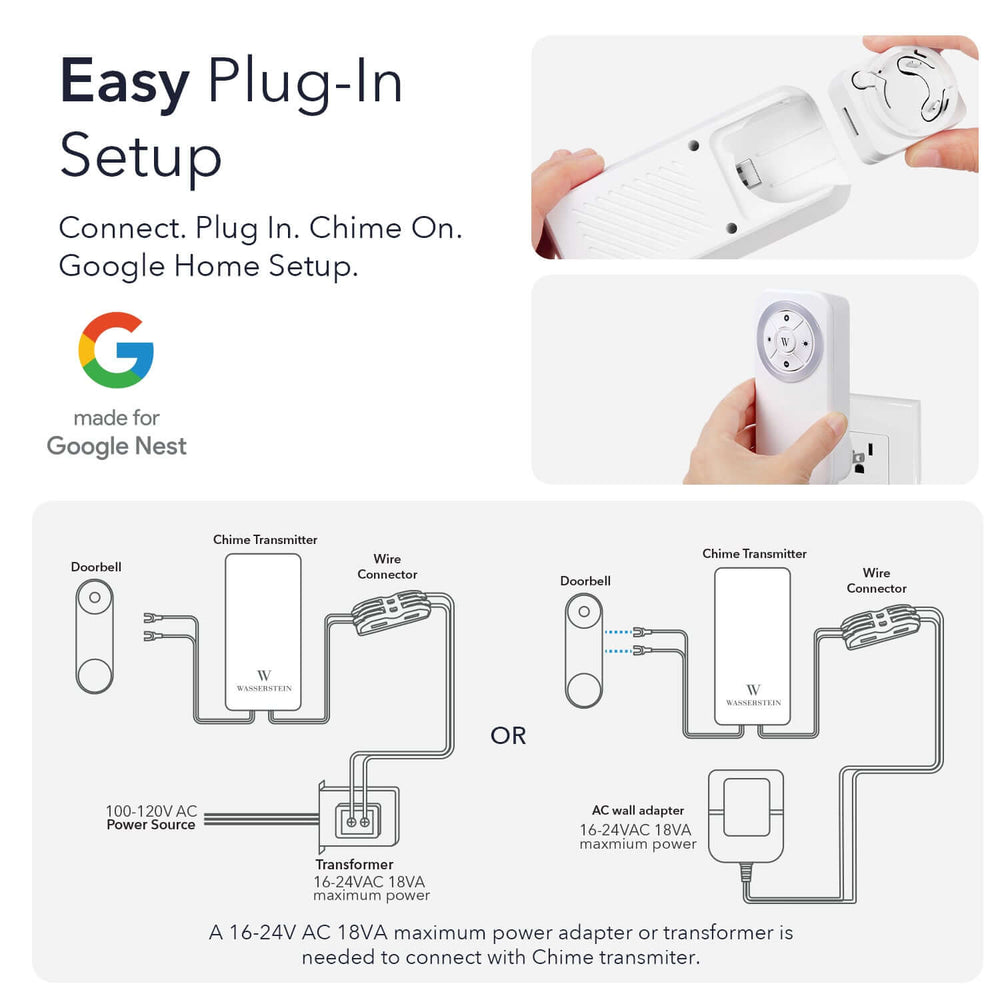
Adding a doorbell chime ensures you hear visitors without constantly monitoring your phone. A wireless option like the Wasserstein Blink Doorbell Chime offers customizable tones and coverage for larger homes. With multiple ringtone options, LED color choices, and adjustable volume levels, it provides immediate audible alerts and enhances overall awareness inside the house.
Reinforce Entry Points and Improve Lighting
Doors and windows are the most common entry points during a home invasion. Reinforce the front door with a heavy-duty strike plate and longer screws in the frame. Upgrade locks to high-quality deadbolts or smart locks. Ensure sliding windows cannot be lifted from outside.

Image courtesy of CNET
Exterior lighting should cover all sides of the property. Motion lights near entry areas remove hiding spots. Smart light bulbs can be programmed to turn on and off automatically when you are away, creating the appearance that someone is home. This strategy helps deter burglars who monitor houses before attempting entry.
Do not neglect the garage door. Secure the opener, avoid leaving it open, and ensure it locks properly. Many intruders target the garage because it provides access with less visibility from the street.
Protecting Valuables and Changing Habits
If burglars return, they will head straight to obvious places. Move valuables out of sight and avoid storing important items near windows. Keep car keys away from the front door to prevent quick theft. Install a bolted safe for jewelry and documents.
Changing routines also reduces predictability. If possible, stay home at different times during the week following a break in. Vary departure schedules and ask neighbors to collect packages. Avoid publicly sharing travel plans that indicate the house will be empty for an extended period.
Community Awareness and Long-Term Prevention
A neighborhood watch program can significantly enhance security. Inform close neighbors about the first incident so they remain alert. Extra sets of eyes watching the property increase the chance that suspicious behavior is reported quickly.
Home security is not only about devices. It is about consistent awareness and layered protection. Most homeowners who combine visible security systems, reinforced entry points, lighting upgrades, and community involvement dramatically reduce the risk of repeat burglaries.
Final Thoughts
Do burglars come back to the same house? The data shows they often do, especially within one month of the first incident. Repeat burglaries happen when vulnerabilities remain unaddressed and when thieves believe they can enter without being caught.
By installing home security cameras, adding solar-powered charging, reinforcing doors and windows, upgrading to a reliable alarm system, improving lighting, securing video doorbells, and involving neighbors, you create a strong defense. Visible security discourages intruders and protects your property.
Act quickly after a first break-in. Repair broken entry points, upgrade your home security system, and strengthen every layer of protection. When burglars see a well-secured house with bright lights, active cameras, and alert neighbors, they are far more likely to choose an easier target.
FAQs
Do burglars really come back to the same house after a break-in?
Yes. Around 51 percent of burglary victims experience a second break-in within one month. Many repeat burglaries happen within the first week. If security systems are not upgraded quickly, burglars may return because they already know the home layout and weak entry points.
Why do burglars return after a first incident?
Burglars return because they know how to access the property. They may target unrepaired broken doors, weak locks, or a vulnerable garage door. They also expect homeowners to replace stolen items quickly, creating another opportunity.
How soon do repeat burglaries usually happen?
Repeat burglaries often happen within one month of the first incident, with many occurring in the first week. This short window exists because burglars assume most homeowners have not yet installed home security cameras or upgraded their alarm systems.
What security measures are most effective in preventing a second break-in?
Visible home security cameras, a reliable alarm system, reinforced locks, motion lights, and smart security systems are highly effective. Layered protection reduces risk and makes intruders less likely to target the same house again.
Do smart security systems really deter burglars?
Yes. Smart security systems provide real-time alerts, remote monitoring, and visible deterrence. When burglars see cameras, smart locks, and active monitoring, they are more likely to move on to an easier target.
Should I move after experiencing a home burglary?
Moving is rarely necessary if you improve security. Repair entry points, install home security cameras, upgrade locks, and add lighting. For front-door protection, consider Google Nest Doorbell wired bundles and accessories to enhance alerts and coverage. Strengthening your home security system often eliminates the need to relocate.
Can a neighborhood watch program help prevent repeat burglaries?
Yes. Alert neighbors, increase awareness, and report suspicious activity. A neighborhood watch program adds extra eyes on your property, which helps deter burglars and reduces the likelihood of future break-ins.
Leave a comment