


Do Rental Cars Have Cameras?
Quick summary
-
Standard Safety Equipment: Most rental cars feature exterior cameras (backup, 360-degree, and ADAS) installed by the manufacturer to assist with parking and collision avoidance.
-
Purpose over Surveillance: These cameras are typically "event-based," meaning they activate during specific actions like reversing or braking, rather than providing continuous monitoring of the driver.
-
Interior Camera Rarity: In-cabin cameras are rare in traditional rentals and are mostly found in car-sharing services; if present, their use must be legally disclosed in the rental agreement.
-
Safety & Dispute Resolution: These tools, including dash cams, are used primarily to reduce accidents and provide objective evidence for insurance or damage disputes.
-
Privacy Rights: While companies use GPS and telematics for vehicle tracking, renters have the right to review disclosure agreements and request a different vehicle if they have privacy concerns.
If you’re renting a vehicle for work, travel, or a road trip, you may have wondered: do rental cars have cameras? With modern vehicles packed with technology and advanced safety features, it’s a reasonable question, especially for renters concerned about privacy, monitoring, or unexpected charges.
The reality is more nuanced than a simple yes or no. Most rental cars today are equipped with cameras, but the type, purpose, and behavior of those cameras matter far more than their mere presence. In most cases, cameras in rental cars are designed to improve safety and reduce accidents, not to spy on renters.
Understanding what cameras may be present, how they function, and what rental car companies are legally required to disclose can help you feel confident before driving off the lot.
What Types of Cameras Are Found in Rental Cars?
Before assuming surveillance, it’s important to understand what kinds of cameras are actually installed in rental cars and why they exist. Most cameras in rental vehicles originate from the car manufacturer, not the rental company, and are built into the vehicle’s core safety systems.
Exterior Safety Cameras (Most Common)
The most common cameras in rental cars are exterior cameras, which are considered standard safety features in newer vehicles. These include backup cameras, rearview cameras, parking cameras, and sometimes 360-degree camera systems.

Backup cameras, also known as rearview cameras, are now mandatory in many regions for new passenger vehicles. These cameras activate only when the vehicle is placed in reverse and display a live feed on the infotainment system to help drivers avoid obstacles. Due to this requirement, most rental cars now feature backup cameras, particularly in newer models.
Some rental vehicles may also include dash cameras or external-facing cameras that record the road ahead. These cameras are typically visible and integrated into the windshield area or rearview mirror housing. Their purpose is road documentation, not interior monitoring.
Driver Assistance Cameras (ADAS)
Many newer rental vehicles include advanced driver-assistance systems that rely on cameras as part of the car system. These systems may support features such as lane departure warnings, collision avoidance, traffic sign recognition, or adaptive cruise control.

A dual-view driver-assistance dash cam. Image courtesy of Type S
Importantly, these cameras usually process video in real time and do not store footage. They are active cameras in a technical sense, but they are not recording devices. Their role is to assist the driver moment by moment rather than collect long-term data.
Interior Cameras (Rare)
Interior cameras are rare in rental cars, largely due to privacy laws and customer concerns. Most rental companies avoid installing interior cameras in standard rental vehicles. When interior cameras do exist, they are typically found in:
-
Car-sharing vehicles
-
Commercial or fleet rentals
-
Ride-share–specific vehicles
Even in these cases, interior cameras must be disclosed in the rental agreement, and many are disabled during standard consumer rentals. Most rental cars do not include active interior cameras, and reputable rental companies take privacy obligations seriously.
When Do Cameras in Rental Cars Record?
One of the most common misconceptions about cameras in rental cars is that they record continuously. In reality, most cameras in rental vehicles are event-based, meaning they activate only under specific conditions.
Backup cameras only operate when reversing. Rearview cameras turn off once the car is placed in drive. Dash cams, when present, typically record only when the engine is running or when the vehicle is in motion. Some dash cameras may activate during collisions or sudden braking events to capture evidence.
This means cameras in rental cars are not always recording, and they are not designed for constant surveillance. Their functionality is closely tied to safety, accident documentation, and vehicle operation, not passenger monitoring.
Are Backup Cameras and Dash Cams Considered Surveillance?
Although cameras can feel intrusive, backup cameras and dash cams are not considered surveillance equipment in the traditional sense. Backup cameras are classified as safety features, similar to airbags or blind-spot sensors.
Dash cameras, when installed by rental car companies, typically face outward toward the road. They do not monitor passengers, conversations, or personal behavior inside the vehicle. Their primary role is to provide evidence in case of accidents or disputes with other drivers.
In many regions, backup cameras are required by law for newer vehicles, which explains why most rental cars are equipped with rearview cameras regardless of rental company policies.
How to Identify Cameras in a Rental Car
If you want peace of mind, it’s reasonable to check for cameras before driving away. Identifying cameras in rental cars is usually straightforward because legitimate cameras are visible and integrated into the vehicle design.
Common Places to Check
Start by inspecting obvious locations such as the windshield area near the rearview mirror, the dashboard, and the rear of the vehicle near the license plate. Many dash cams are built into the rearview mirror housing or mounted nearby.
You can also check the infotainment system to see whether camera views appear when reversing or parking. These displays usually indicate standard rearview cameras rather than surveillance devices.
Signs a Camera May Be Present
Cameras often have small reflective lenses that catch light when viewed from certain angles. Some devices include LED indicator lights that signal when a camera is active. Unusual wiring, aftermarket mounts, or devices that don’t appear factory-installed may warrant closer inspection.
Tools That Can Help
A flashlight reflection test can help identify hidden lenses, though hidden cameras in rental cars are extremely rare. Some renters also use camera detection apps or RF scanners, but in most cases, simply asking the rental agent is the most effective approach.
What to Do If You Find an Undisclosed Camera

Image courtesy of Efeel
While uncommon, discovering a camera that was not disclosed in your rental agreement should be taken seriously. Rental companies are legally required to disclose active cameras, especially those capable of recording interior video or audio.
If you believe a camera was not properly disclosed, notify the rental company immediately. You have the right to request clarification, documentation, or a different vehicle. Reputable rental companies will address the issue promptly and transparently.
Documenting the concern with photos and notes can be helpful, especially if you need to escalate the issue to customer support or regulatory authorities.
Rental Car Company Policies
Understanding rental company policies can eliminate uncertainty. Rental car companies do not all follow the same practices, but industry standards emphasize safety, disclosure, and privacy compliance.
Do Major Rental Companies Use Cameras?
Some large car rental companies, such as Hertz, Avis, Enterprise, and National, may use cameras in specific contexts, primarily for safety, accident documentation, theft prevention, or other safety features. These cameras are typically external and visible.
Most rental companies avoid interior cameras to respect renters' privacy and comply with privacy laws. When cameras are installed, their presence is disclosed in rental agreements or explained by rental agents.
Disclosure and Rental Agreements
Your rental agreement is the most reliable source of information about cameras installed in your rental vehicle. Camera policies, data usage, and telematics systems are often outlined in these documents.
Reading the rental agreement before signing helps you understand what technology is in use and how data may be accessed in the event of an accident or dispute.
Cameras vs GPS Tracking vs Telematics Systems
It’s important to distinguish cameras from other monitoring technologies. Telematics systems are commonly used by rental companies to track vehicle location, mileage, fuel usage, or maintenance needs.
GPS tracking helps rental companies recover stolen vehicles and manage fleets efficiently, but GPS is not a camera. Telematics systems may collect driving data, but they do not record video unless explicitly paired with dash cameras.
AI Damage Detection Systems

Image courtesy of A3 Logistics
Some rental companies now use AI-powered scanners to inspect rental vehicles before and after use. These systems photograph the exterior of the car to detect dents or scratches automatically.
While controversial, these scanners are not interior cameras and do not monitor renters during the rental period. However, flagged damage may lead to disputes, making pre- and post-rental inspections especially important.
Privacy Concerns and Regulations Affecting Cameras in Rental Cars
Privacy laws play a central role in how cameras in rental cars are deployed. In many regions, local laws require disclosure of any active cameras, particularly those capable of recording inside the vehicle.
In the United States, interior audio or video recording without consent is heavily regulated. In the European Union, GDPR imposes strict requirements on data collection, storage, and user consent.
Because of these regulations, reputable companies prioritize transparency and avoid practices that could violate privacy laws or damage customer trust.
Renters’ Rights and Responsibilities
Renters have the right to know what cameras are installed in their rental vehicles and how data may be used. This includes the right to ask questions, review rental agreements, and decline rentals that make them uncomfortable.
At the same time, renters are responsible for understanding applicable laws, respecting rental agreements, and using vehicles appropriately. If you have concerns about cameras or privacy, raising them before driving off ensures a smoother rental experience.
Can Renters Install Cameras in Rental Cars?
Some renters choose to install their own temporary cameras for added security or peace of mind. These DIY solutions are renter-installed, not affiliated with the rental company, and must comply with rental agreements and local laws.
When Renters Might Consider Personal Cameras
Renters may want additional documentation when traveling in unfamiliar areas, parking overnight in public spaces, or driving long distances. Personal dash cameras can provide accident evidence, while wireless smart cameras may help monitor parked vehicles.
Common DIY Camera Options
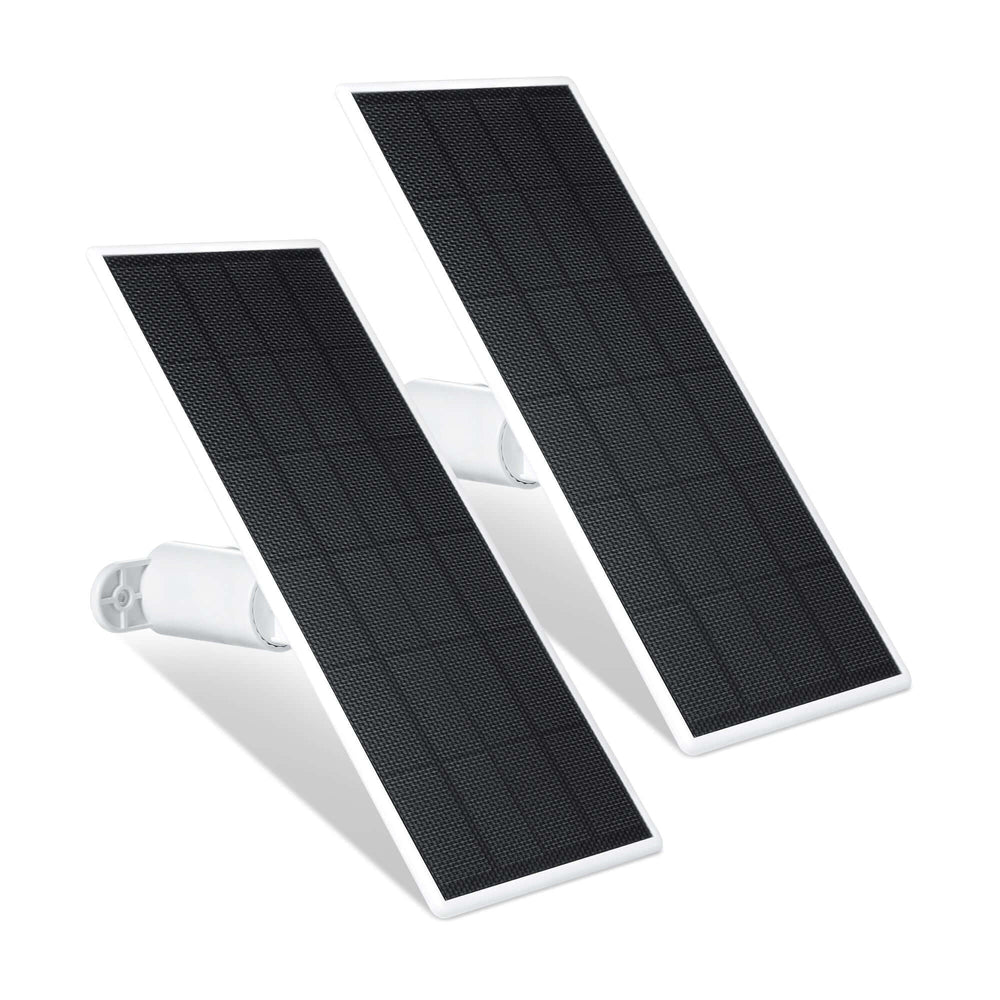
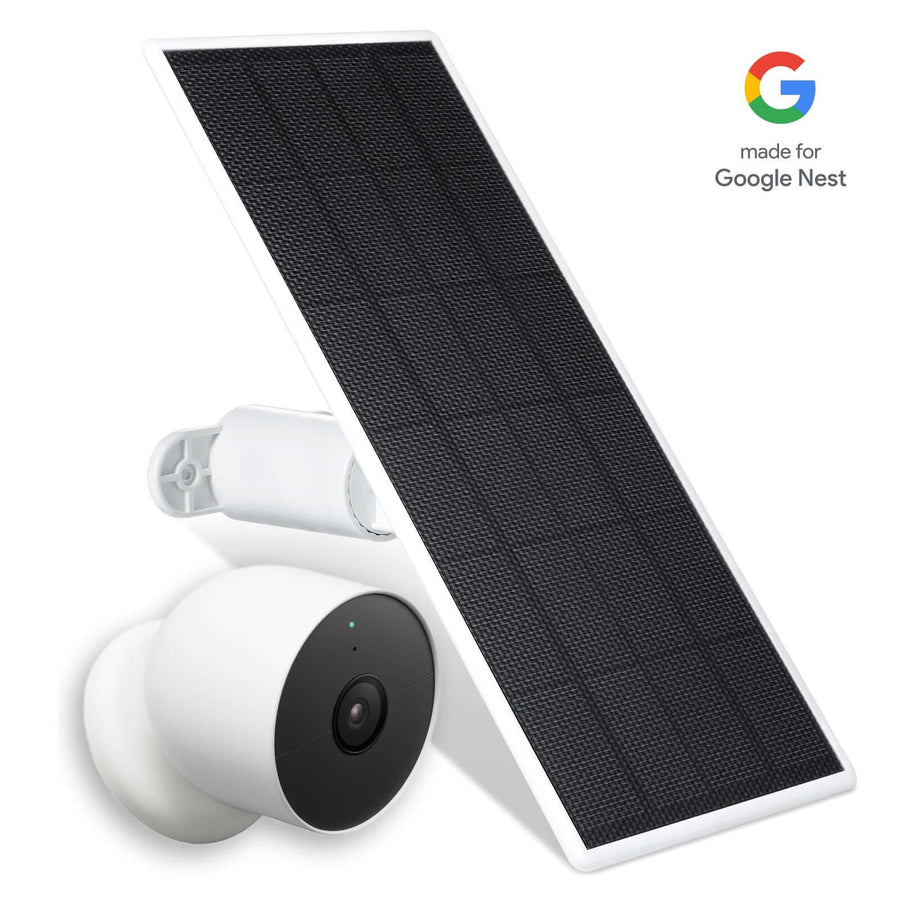
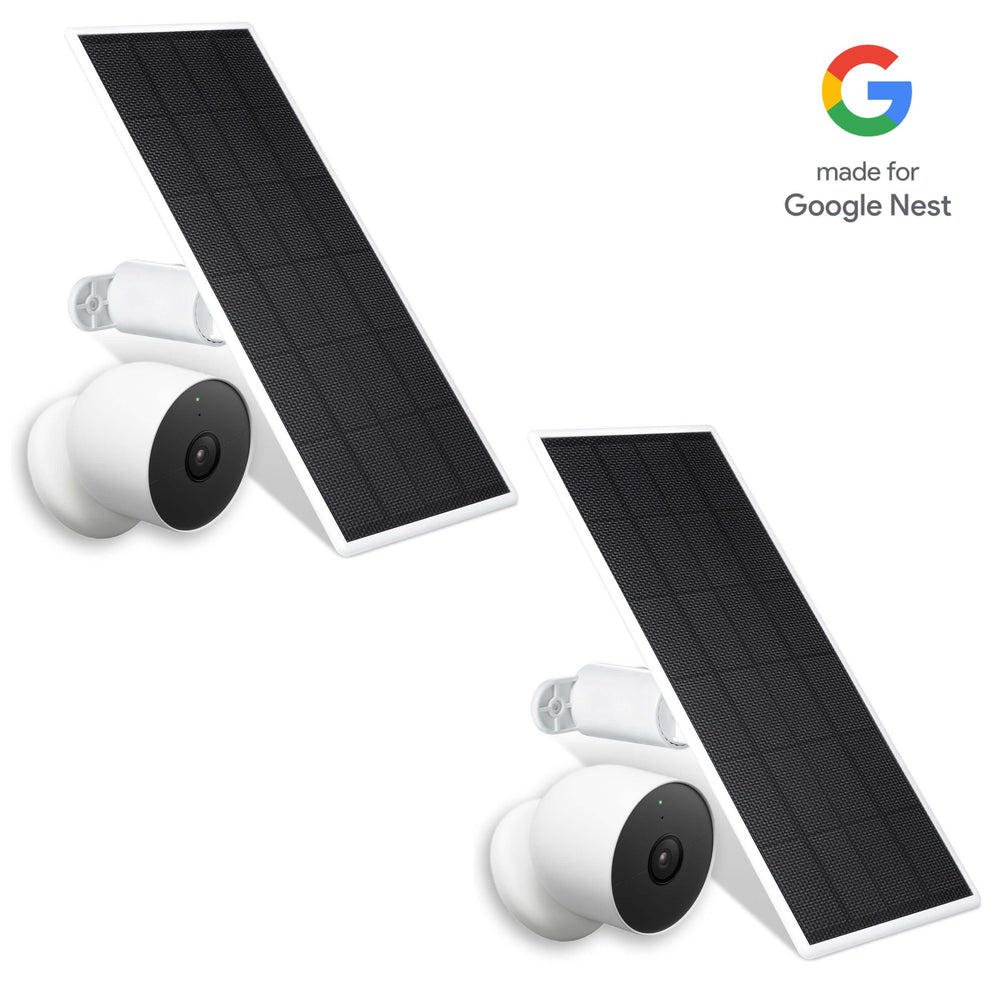
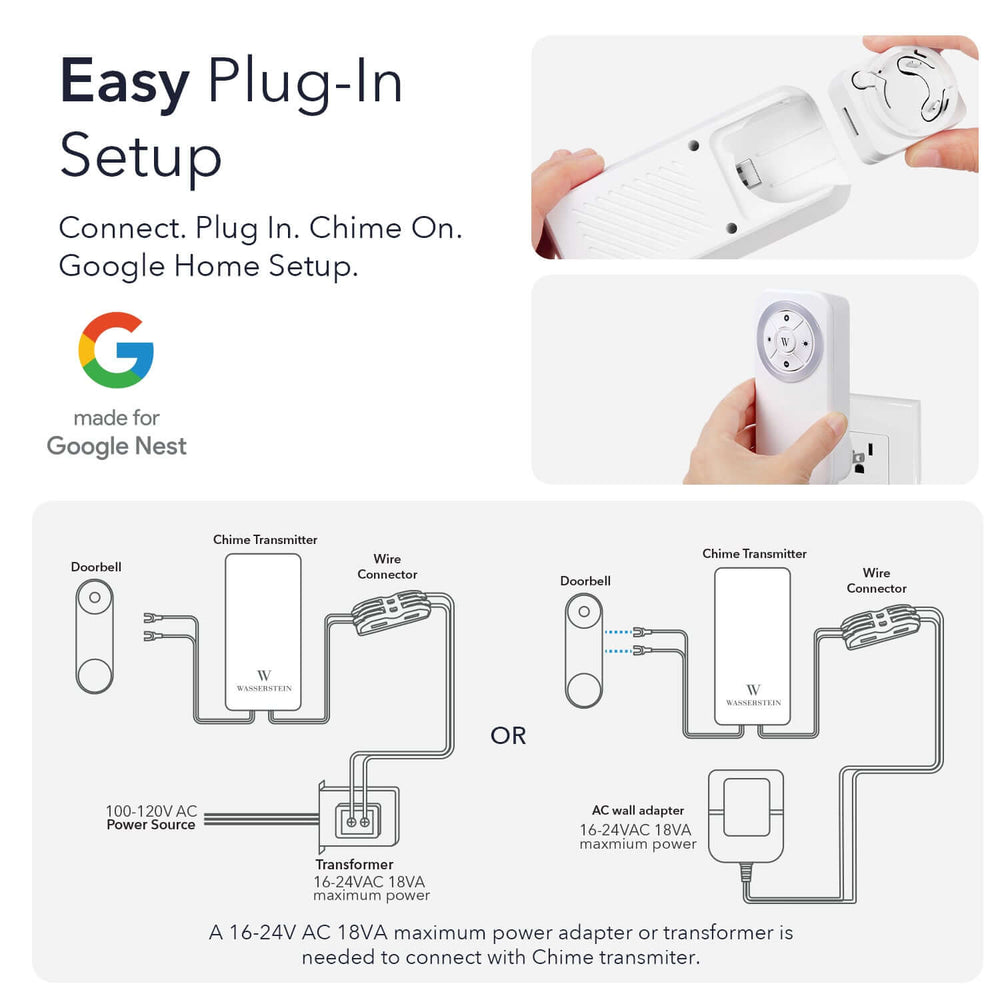
Portable dash cams are the most common option. Some renters also use battery-powered wireless smart cameras, such as Blink or Nest, while the car is parked. These cameras should face outward and never record occupants without consent.
Legal and Practical Considerations
Any DIY camera should be temporary, non-invasive, and fully removed before returning the vehicle. Audio recording is subject to stricter consent laws, so renters should avoid it unless legally permitted.
Accessories like suction mounts, magnetic mounts, and battery packs make temporary setups easier without damaging rental vehicles.
Do Cameras in Rental Cars Improve Safety?
When used responsibly, cameras in rental cars offer clear safety benefits. Backup cameras reduce reversing accidents, dash cams provide unbiased accident evidence, and visible cameras deter theft and vandalism.
These safety features protect both renters and rental companies by reducing disputes, improving accountability, and promoting responsible driving behavior.
Frequently Asked Questions (FAQ)
Do rental cars have cameras?
Yes, most rental cars have cameras installed, primarily exterior safety cameras. These include backup cameras, rearview cameras, and sometimes dash cams. They are designed to improve driving safety and reduce accidents, not to monitor renters inside the vehicle.
Do rental cars have interior cameras?
Most rental cars do not have interior cameras. Rental car companies generally avoid installing interior cameras due to privacy laws and customer concerns. In rare cases, interior cameras may exist in car-sharing or fleet vehicles and must be disclosed.
Why do rental companies install cameras in rental vehicles?
Cameras are installed mainly for safety features, accident documentation, and theft prevention. Exterior cameras help drivers park safely and provide evidence in case of collisions or disputes involving rental vehicles.
Are backup cameras standard in rental cars?
Yes, backup cameras are very common in rental cars, especially newer vehicles. In many regions, backup cameras are required by law for new passenger vehicles, which is why most rental cars include them.
Do dash cameras in rental cars record all the time?
No, dash cameras typically record only when the vehicle is running or in motion. Some activate during specific events, such as collisions or sudden braking, rather than recording continuously.
Are cameras in rental cars considered surveillance?
Generally, no. Cameras in rental cars are considered safety features, not surveillance tools. They usually face outward and do not record passengers or conversations inside the vehicle.
Are hidden cameras common in rental cars?
No, hidden cameras in rental cars are extremely rare. Reputable rental companies are required to disclose active cameras, and secretly recording renters would violate privacy laws in many regions.
How can I tell if my rental car has cameras?
Check common areas like the rearview mirror, dashboard, windshield, and rear of the vehicle. Look for small lenses or reflective surfaces. The best way is to review the rental agreement or ask the rental company directly.
What should I do if I find an undisclosed camera?
If you find a camera that was not disclosed, contact the rental company immediately. You can request clarification, documentation, or a different vehicle. Reputable companies will address privacy concerns promptly.
Is GPS tracking the same as cameras in rental cars?
No, GPS tracking is part of telematics systems and does not record video. It is used to track vehicle location, mileage, and recovery, not to monitor renters visually.
Can I install my own camera in a rental car?
Yes, renters can use temporary personal cameras, such as dash cams, if allowed by the rental agreement and local laws. Cameras should be removable, non-damaging, and must not record occupants without consent.
Leave a comment