

Can a Laser Pointer Damage a Camera? Myths, Facts, and Real Risks Explained
Quick summary
-
Permanent camera damage from a laser usually requires high power, close range, steady aim, and prolonged exposure.
-
Common 5mW consumer laser pointers are more likely to cause temporary glare than destroy a security camera.
-
Camera lenses can concentrate laser light onto a small area of the sensor, increasing burn risk.
-
Permanent damage appears as dead pixels, burn spots, or lines visible in all future recordings.
-
For homeowners, temporary blinding is a more realistic threat than total camera destruction; smart mounting and lighting reduce risk.
The question “Can a laser pointer damage a camera?” has gained serious attention in recent years. Viral videos show a bright green beam striking a security camera, followed by dramatic white flashes across the screen. Online discussions often claim that a cheap handheld laser can instantly destroy expensive surveillance equipment. Some people are curious about the science behind this. Others want to protect their home security systems. A few may even wonder whether shining a laser at a CCTV camera could block recording during a crime. Unfortunately, some use lasers to evade detection during thefts, vandalism, or trespassing.
The reality is more nuanced than social media suggests. The idea of defeating surveillance systems with a simple laser pointer is a source of intrigue and public interest. A laser can permanently damage a camera sensor under specific conditions. However, most everyday consumer laser pointers will not instantly destroy a surveillance camera. The outcome depends on several variables, including power output, distance from the camera, focus of the beam, duration of exposure, and the optical design of the device.
Understanding how cameras process light makes it easier to separate myth from fact.
How a Camera Sensor Captures Light
Every digital camera, whether it is a smartphone, DSLR, dashcam, or home security camera, relies on a light-sensitive semiconductor sensor. The process begins when light enters through the camera lens. The lens focuses that light onto the image sensor. The sensor contains millions of microscopic pixels that convert incoming light energy into electrical signals. A processor then transforms those signals into video footage or still images. The sensor is covered by a Bayer filter, which is sensitive to damage from intense or unfiltered light; if the filter is impaired, the camera may lose its ability to capture accurate colors.

Most modern cameras use either CMOS sensors or CCD sensors. While their internal structures differ, both rely on extremely small silicon-based photodiodes. These pixels are designed to measure light intensity with precision. They are not designed to withstand concentrated thermal energy.
Under normal conditions, light from a scene spreads across the sensor surface. Even bright sunlight distributes energy over millions of pixels. The energy absorbed by each pixel remains relatively low.
A laser behaves very differently from ordinary light. Some cheaper lasers do not filter out all extra light, including more energetic UV photons, which can damage the sensor and its Bayer filter.
Types of Cameras
When considering the risk of laser pointer damage, it’s important to recognize that not all cameras are created equal. There are several types of cameras commonly found in homes and businesses, each with unique features and vulnerabilities. CCTV cameras are a staple in surveillance and security, designed for continuous video monitoring and often installed in both indoor and outdoor environments. Digital cameras, on the other hand, are typically used for photography and videography, offering high-resolution image capture and advanced features for creative shooting. Video cameras bridge the gap, focusing on recording moving images for everything from home movies to professional productions.
A key factor in how a camera responds to laser exposure is the type of camera sensor it uses. Most modern cameras rely on either CCD (charge-coupled device) or CMOS (complementary metal-oxide-semiconductor) sensors. Both types are sensitive to light, but their internal designs can affect how they handle intense, concentrated energy from a laser. For example, some CCD sensors may be more prone to permanent pixel damage if hit by a focused beam, while CMOS sensors might handle brief exposure a bit better but are still at risk under prolonged or intense conditions.
Understanding the differences between CCTV cameras, digital cameras, and video cameras—and the sensors inside them—can help you choose the right gear for your needs and take the right steps to protect your investment from potential laser threats.
Laser Pointer Basics
A laser pointer is a compact device that emits a highly concentrated beam of light, typically generated by a semiconductor laser diode. These tools are popular for presentations, alignment tasks, and even as pet toys. The power output of a typical consumer laser pointer is around 5 milliwatts, which is generally considered safe for everyday use. However, the risk to both eyes and camera sensors increases with higher power levels or improper use.
Green lasers are especially noteworthy because they are much more visible to the human eye than red lasers, making them a popular choice for pointing and alignment. This increased visibility also means that green lasers can appear brighter and more intense on camera footage, potentially increasing the risk of glare or sensor overload if pointed directly at a camera lens.
While laser pointers are convenient and fun, it’s essential to remember that their concentrated light beam can pose a real risk to both people and electronics. Always use laser pointers responsibly, avoid pointing them at cameras or people, and be aware of the potential for even a brief exposure to affect sensitive camera sensors.
Why Lasers Pose a Unique Risk
A laser is not simply a brighter version of a flashlight. It produces highly concentrated, coherent light that travels in a narrow beam with minimal divergence. Because the beam remains tightly focused, a camera lens can further concentrate it onto a very small cluster of pixels.

When this happens, the energy density at that specific location increases dramatically. One way to mitigate the risk of a person getting close enough to maintain a steady, damaging beam is by utilizing high-vantage mounting. For instance, using the Wasserstein Gutter Mounts allows you to place cameras at a greater height. This makes it significantly harder for someone to maintain the precise, steady aim required to cause permanent sensor thermal damage.
Temporary Effects Versus Permanent Damage
It is important to distinguish between temporary sensor overload and permanent pixel damage.
In many real-world cases involving low-powered consumer laser pointers, the effect is temporary glare. However, even if the laser doesn’t “fry” the sensor, it can “blind” the camera during a critical moment. When planning to shoot light painting photos, it's safer to switch from lasers to LED or incandescent light sources to avoid sensor damage. Using LEDs instead of lasers is a good plan for those who want to shoot creative images without risking permanent camera damage.

To ensure your camera has the best chance of recovering and capturing clear footage even in difficult lighting, pair your setup with Wasserstein Floodlights. These enhance a camera’s vision in low-light conditions and provide powerful illumination that can help counteract the contrast issues caused by external light interference. Plus, they keep your camera continuously charged, eliminating downtime.
Permanent damage requires more severe conditions. When a high-powered laser is aimed directly at the lens and held steady for a sustained period, energy can build up in a small cluster of pixels. If the heat exceeds the tolerance of the semiconductor material, the affected pixels may burn out. This results in defects that remain visible in every future recording.
What Permanent Laser Damage Looks Like
If a camera sensor has experienced true laser damage, the artifacts are consistent and persistent. Common signs include dead pixels that appear as tiny black or white dots that never change. There may be burn-in spots that show up as discolored patches. In some cases, horizontal or vertical lines appear if an entire row or column of pixels has been damaged.

These defects do not fade over time. They remain in all subsequent footage because the physical structure of the sensor has been altered.
High-energy exposure can also damage the anti-reflective coatings on the lens. If coatings are compromised, the camera may experience increased glare, reduced clarity, or uneven light handling, even if the sensor itself remains functional.
The Role of Laser Power
Laser output is typically measured in milliwatts. The difference between low-powered and high-powered lasers is substantial.
Most consumer laser pointers are rated at 5 milliwatts or less. These are commonly used for presentations or as pet toys. In most cases, such devices cause only temporary glare when pointed at a camera. Permanent damage from a brief, casual exposure is unlikely.
However, even low-powered lasers can pose a risk under certain conditions. If the beam is held steady at a very close range and focused carefully onto the lens for an extended period, the chance of heat buildup increases.
More powerful lasers, particularly those in the hundreds of milliwatts or higher, introduce a much greater risk. These devices can generate enough concentrated heat to damage a sensor relatively quickly if aimed directly and held steady. High-powered lasers can cost hundreds of dollars and are often subject to regulation due to safety concerns. The difference between a 5 milliwatt laser and a 500 milliwatt laser is not minor. It represents a dramatic increase in energy output and potential heat generation.
Distance and Duration Matter
Power alone does not determine the outcome. Distance and exposure time play equally important roles. The closer the laser source is to the camera, the greater the risk.
To keep your equipment out of reach from handheld tampering, consider these mounting solutions and compatible solar accessories like the Wyze Solar Panel collection:
-
Gutter Mounts: Made with high-grade, rugged materials, these let you position cameras and solar panels at a height that maximizes sunlight and minimizes human interference.
-
Anti-Theft Mounts: These are designed to protect your camera from tampering or physical movement.
-
Adjustable Wall Mounts: Featuring a 360-degree swivel and 90-degree tilt, these sturdy mounts ensure your camera stays locked in your desired position, even if someone attempts to nudge it with a pole or laser.
Powering Your Defense
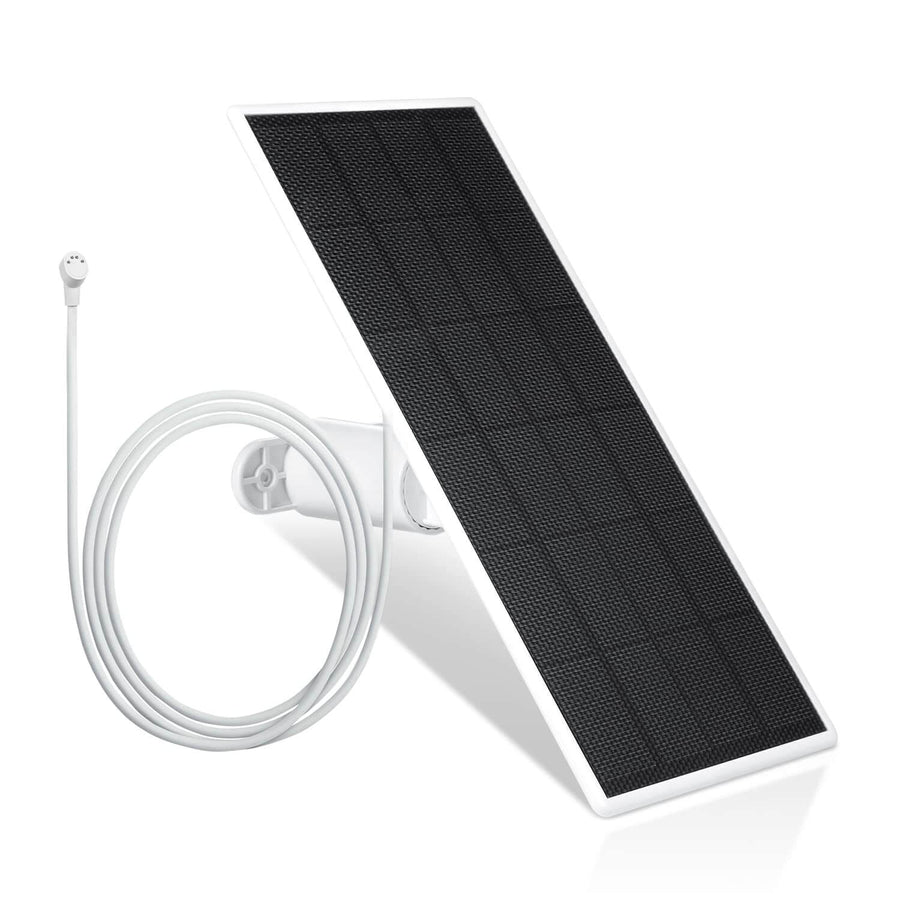
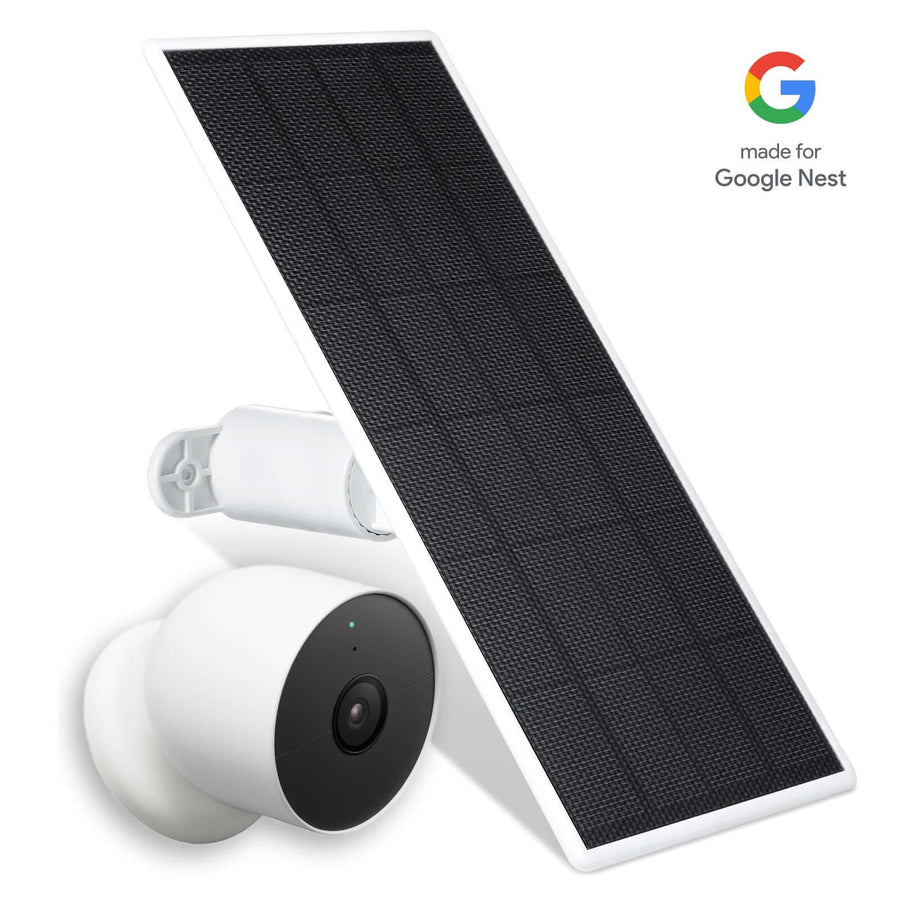
A camera that is powered off can’t record a deterrent. To ensure your system is always "on guard" without worrying about battery swaps, high-efficiency power is key. To explore different powering methods, including wired and solar options, see this guide on how to power an outdoor security camera. Wasserstein Solar Panel use high-efficiency cells to capture energy even in minimal sunlight. With a 360-degree rotatable mount and a 13.1ft (4m) cable, you can place the panel in the path of maximum sun while keeping the camera tucked away in a protected, high-vantage spot.
The Impact of Optical Zoom
Optical zoom can increase risk in certain scenarios. When a camera zooms in, the lens narrows the field of view and concentrates incoming light more intensely at the sensor plane. This can amplify the energy density of a laser beam striking the lens.
Long-range surveillance cameras used for traffic monitoring or commercial security may face elevated risk if a laser is directed at them while zoom is engaged. The magnification effectively increases the concentration of light energy on the sensor.
Are Home Security Cameras Especially Vulnerable?

Most modern home security cameras are designed to handle bright lighting conditions such as direct sunlight, vehicle headlights, and reflective surfaces. Many incorporate wide dynamic range features and automatic exposure adjustments that help manage high-contrast scenes.
These design features make cameras resilient to ordinary brightness. However, no standard consumer camera is engineered to withstand deliberate, concentrated laser exposure indefinitely.
It is also important to note that most surveillance systems rely on multiple cameras positioned at different angles. Even if one camera experiences glare or damage, others may continue recording. Many systems also upload footage to cloud storage in real time, reducing the likelihood that evidence would be completely lost. For SimpliSafe users, a dedicated SimpliSafe Camera Solar Panel can keep cameras powered so they remain connected and able to sync footage to the cloud.
Best Practices for Camera Users
Protecting your camera from laser pointer damage doesn’t have to be complicated, but it does require a bit of awareness and care. First and foremost, never point a laser pointer directly at a camera lens. Even a brief flash can cause temporary glare, and prolonged exposure, especially at close range, can permanently damage the camera sensor or lens.
If you need to use a laser pointer near your camera setup, opt for a low-powered device and maintain a safe distance to minimize risk. Investing in a camera with a high-quality lens and an advanced image sensor can also make a difference, as these components are better equipped to handle challenging lighting conditions. Features like automatic exposure control and wide dynamic range help your camera adapt to sudden changes in light, reducing the chance of sensor overload.
Keeping your camera’s firmware and software up to date is another smart move. Manufacturers often release updates that improve performance and address potential vulnerabilities, ensuring your gear stays protected against new threats. By following these best practices—avoiding direct laser exposure, choosing quality equipment, and staying current with updates—you can help safeguard your camera from laser pointer damage and keep your surveillance system running smoothly.
Legal Considerations
Intentionally shining a laser directly at surveillance equipment can carry serious legal consequences. In many jurisdictions, damaging or interfering with security cameras is absolutely illegal and may qualify as vandalism or criminal mischief. If the equipment belongs to law enforcement or a public agency, additional charges may apply.
Penalties can include fines, civil liability for repair costs, community service, or even jail time. If the camera is owned by a business or law enforcement agency, penalties can be even more severe. Attempting to disable a surveillance system is not considered harmless experimentation under the law.
Should Camera Owners Be Concerned?
For most camera owners, there is no need for panic. In fact, most owners do not need to worry about permanent damage from weak consumer laser pointers under normal conditions. Weak consumer laser pointers typically cause only temporary glare. Permanent damage requires a combination of high power, proximity, steady aim, and prolonged exposure.
Cameras are durable devices designed to operate in bright and challenging environments. They are not invincible, but they are also not easily destroyed by casual laser exposure.
Understanding the science behind laser interaction with camera sensors helps remove unnecessary fear while acknowledging legitimate risks.
Final Answer
A laser pointer can damage a camera sensor under the right combination of power, distance, focus, and exposure time. Permanent damage occurs when concentrated energy generates enough heat to burn or degrade sensor pixels. In most everyday situations involving common handheld laser pointers, the effect is temporary glare rather than lasting destruction.
Separating internet myths from physical reality allows camera owners to make informed decisions without overestimating the threat.
FAQs
Can a laser pointer permanently damage a camera sensor?
Yes, a laser pointer can permanently damage a camera sensor under specific conditions. If a high-powered laser is aimed directly at the camera lens and held steady for prolonged exposure, the concentrated light can generate enough heat to burn sensor pixels. This results in permanent artifacts in future footage.
Are weak 5mW laser pointers dangerous to a security camera?
Most weak laser pointer devices rated at 5mW typically cause only temporary glare in a security camera or CCTV camera. However, even weak lasers can still cause damage under certain conditions, particularly at close distances with steady focus and prolonged exposure. Brief flashes rarely cause permanent damage.
What does laser pointer damage look like in video footage?
Laser pointer damage often appears as dead pixels, burn-in spots, or horizontal or vertical lines across the image. These artifacts remain visible in every recording after the damage occurs. Temporary glare disappears once the beam moves away, but permanent burn marks stay in all future videos.
Does distance affect whether a laser can damage a camera?
Yes, distance significantly affects risk. The closer the laser source is to the camera, the greater the risk of damage because the beam remains more concentrated. As the distance increases, the light spreads out and loses intensity, reducing the chance of permanent harm.
Does optical zoom increase the risk of laser damage?
Yes, using optical zoom increases the risk because it concentrates incoming light onto a smaller area of the sensor. This increases heat buildup when a laser hits the lens and raises the likelihood of permanent pixel burn during prolonged exposure.
Can a laser temporarily block or blind a CCTV camera?
Yes, a laser can temporarily blind a CCTV camera by causing intense glare or white-out effects in the footage. This usually lasts only while the beam is present. Once the laser moves away, recording typically returns to normal unless permanent sensor damage occurred.
Is it illegal to shine a laser at a security camera?
In many regions, intentionally shining a laser at surveillance cameras is considered vandalism. Tampering with a security camera can result in fines, community service, or even jail time. Penalties may be more severe if the camera belongs to the police or a public authority.
Leave a comment